South Africa's Hluhluwe-iMfolozi Game Reserve
Help Me Plan- Home
- >
- African Travel
- >
- South Africa
- >
- National Parks
- >
- Hluhluwe-iMfolozi Game Reserve
Hluhluwe-iMfolozi Game Reserve Destination Guide
Hluhluwe-iMfolozi Game Reserve in KwaZulu-Natal is Africa's oldest protected reserve, proclaimed in 1895. Once Zulu royal hunting grounds, it hosts the Big Five plus wild dog and cheetah. Famed for rhino conservation, nyala, and outstanding birding, it offers guided game drives and bush walks across lush Zululand hills, river valleys, and thornveld.
Getting There
By Air: King Shaka International Airport in Durban is a popular national and international flight destination, and flights are available daily from various airports in South Africa. African Sky will ensure that your connecting flight to Durban is scheduled from wherever your journey to Hluhluwe commences, typically OR Tambo in Johannesburg.
By Road: Hluhluwe-iMfolozi is situated in what is commonly known as the Zululand district of KwaZulu-Natal, approximately 250km north of Durban. A private, air-conditioned vehicle, driven by one of our experienced guides, will take you through the wild Elephant Coast – nestled between the subtropical islands and the Indian Ocean.
Weather & Best Time To Visit
Hluhluwe-iMfolozi is rewarding all year. Its location on the sunny eastern coastline of South Africa correlates with a subtropical climate. It can get quite hot and humid during the rainy summer and spring seasons from September to March, and thunderstorms frequent the area. It is the best time to view the immaculate vegetation, and birding is excellent during the summer.
The winters, however, are not as cold as in other parts of South Africa and make for a comfortable climate throughout the day. Evenings can get cool, but the cloudless skies make this a great time for stargazing. It is also the best time to visit if you are looking for wildlife, as they gather around the waterholes and rivers.
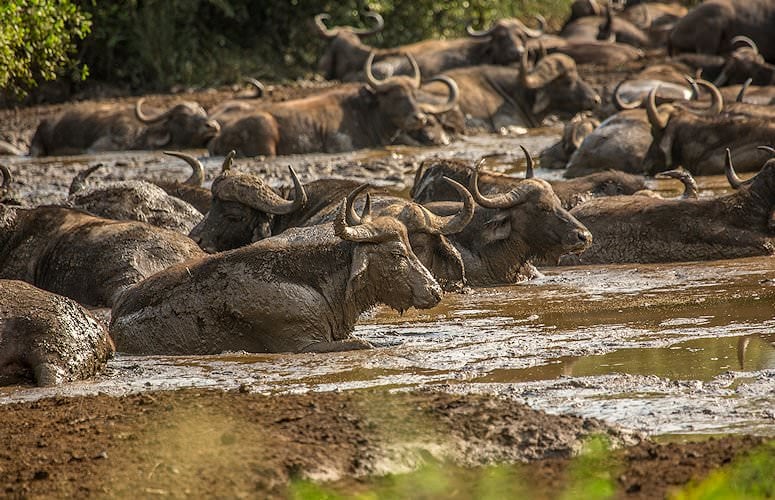
An abundance of antelope species occurs here, notably the tiny blue and red duiker and a large nyala population. Bird watchers will be delighted by the more than 400 identified bird species. This South African National Park plays a leading role in conserving black and white rhino.
Safaris and Tours that visit Hluhluwe-iMfolozi
These recommended packages focus on visiting popular national parks, highlighting safari activities and opportunities for cultural interaction.
This private safari of just over two weeks explores some of the famous national parks in South Africa, accompanied by an experienced African Sky guide.
It is a private tour of the northeastern part of South Africa focused on the wildlife and cultures in the area. We visit the wilderness areas of Kruger and Hluhluwe-iMfolozi, among others.
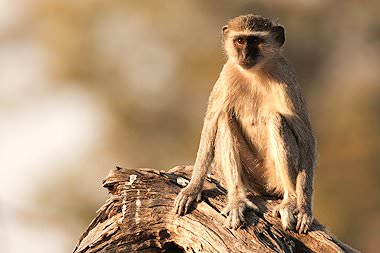
The primary safari areas of northern KwaZulu-Natal and the Kruger National Park are the focus of this private overland safari.

Reasons to visit Hluhluwe-iMfolozi Game Reserve
Rhino Sanctuary
Hluhluwe-iMfolozi Game Reserve is renowned for its role in rhino conservation: the world-famous Operation Rhino was established here, and the park is the source population of the world's Southern white rhino. Efforts since the 1950s brought this remarkable creature back from the brink through innovative conservation that continues today.
If You Dream of Africa
If you've ever dreamed of Africa as seen in films, this is the place. The park’s diversity of wildlife and landscapes feels cinematic, from sweeping hills to river valleys, and from Big Five encounters to exceptional birding.
Rich History
The fact that this area was the official royal hunting grounds of Zulu kings Shaka and Dingiswayo hints at its majesty. Traces of historic Zulu hunting pits and evidence of earlier San presence can be found in and around the park.
Experiences to Savor at Hluhluwe-iMfolozi Game Reserve
As one of South Africa's premier Big Five safari destinations, you'll thrill at the experience of encountering these majestic mammals — particularly black and white rhino, of which Hluhluwe-iMfolozi boasts substantial numbers.
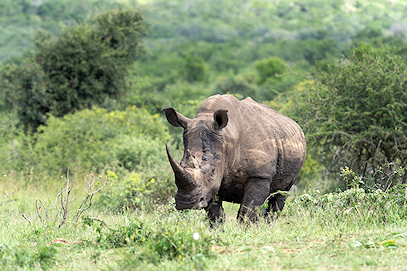
Rhino Encounter
The last couple of years have been an extremely trying time for rhino worldwide, and fears are growing that the majestic horned herbivore might soon become a species of myth. You can connect with these marvelous creatures at Hluhluwe and see what is done to prevent their extinction.
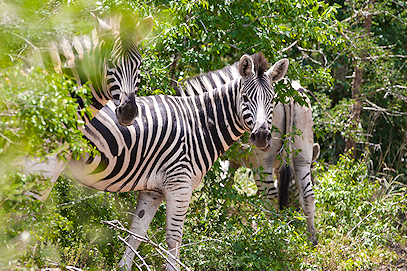
Lush Safari
Most travelers imagine African safari areas as dry savannas of yellow grasses. A visit to Hluhluwe proves otherwise — the lush, green, subtropical landscape, accompanied by the array of animals and bird species that inhabit the area, imparts a sense of abundance.
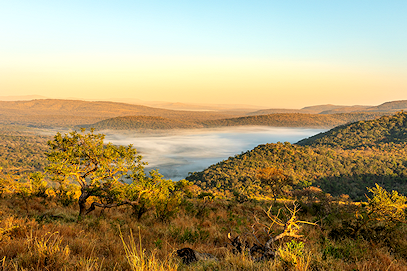
Zululand
There is something special about walking along paths that historic figures like King Shaka traveled centuries ago. The rich Zulu culture can be seen and felt among the mountains; this is where legendary African heroes were born, where they survived, and where their legacy lives on.Useful Information
History
The Hluhluwe-iMfolozi Reserve is the oldest in South Africa and on the African continent — it was established in 1895. It was founded because the area's natural abundance of wildlife quickly diminished due to intensive hunting. Hunting escalated when the “great white hunters” arrived, but it was happening in this area well before that. Zulu warriors used to dig massive pitfall traps to capture large numbers of animals along their natural migratory routes. The site is also known for ancient African tribes that worked metal for hunting and farming tools.
This reserve is also closely associated with Operation Rhino, which was pivotal in saving white and black rhino from extinction. The project went so well that the white rhinoceros was removed from the IUCN Red Data Book of threatened species. This project has restocked more than 3,500 white rhino to areas where they had become locally extinct. A major historical issue in the area was the tsetse fly and malaria mosquito, which authorities once attempted to combat by clearing wildlife. The iMfolozi junction was de-proclaimed as a reserve to enable the use of DDT to fight these vectors. Such practices ended in the 1960s, and since then, wildlife has been well protected.
Wildlife
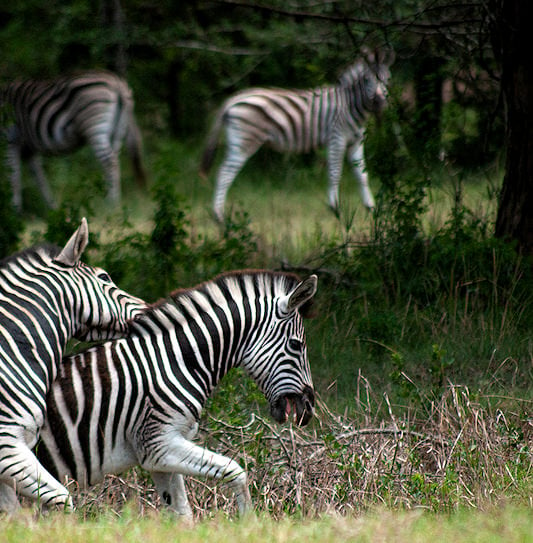
Hluhluwe-iMfolozi is one of the classic Big Five reserves. It is also one of the few places where white and black rhino can still be seen. Giraffe and Burchell's zebra are common, as is Cape buffalo. Finding elephant and big cats can be more challenging, but they are certainly there. The elephant migrate throughout the park. cheetah and lion are occasionally spotted, and there are also rare leopard sightings. Opt for a night drive to improve your chances of seeing leopard or wild dog.
On a night drive, you may also enjoy a chance encounter with hippo out of the water, as during the day you may only sneak a peek at the top of its head and back as it wallows. The park is home to large populations of blue wildebeest, impala, kudu, and waterbuck. Rare species that attract enthusiasts include the samango monkey that inhabits thick forests and the graceful nyala. Birding is excellent, as the park has several bird hides that delight enthusiastic bird watchers. From Hilltop Camp, many raptor may be seen soaring. With more than 340 species recorded, there will undoubtedly be species even committed birders have not encountered. Some rare species include the brown-headed parrot, narina trogon, white-fronted bee-eater, and lanner falcon.
Vegetation & Terrain
Before the parks merged in 1989, the division hindered animals from using what would have been a natural corridor between the grasslands and forests as the seasons changed. Today they are free to roam, and the natural ecosystem is flourishing. An estimated 1,200 plant species can be found in the region, including the Natal giant cycad and pepper-bark tree, which are protected species. The Black and White Mfolozi rivers cordon off the southern parts of the reserve, while the Hluhluwe River originates in the north. Damage to the riverine forests caused by Cyclone Demoina in 1984 destroyed many old trees, but saplings have sprouted all around.
Activities
Hluhluwe-iMfolozi is an ideal Big Five safari destination. Open vehicle game drives with experienced rangers are conducted in the mornings and late afternoons, and night drives are also available for those overnighting in the park. Supervised walks are also offered, and self-guided foot trails can be explored independently. In addition to game drives and hikes, hides allow visitors to view plentiful wildlife at waterholes and pans. Several picnic sites in the area have braai facilities — ideal for a bush picnic while enjoying the scenery.
The park is one of the few places where guests can experience activities encompassing rhino conservation first-hand. The Centenary Center, in the iMfolozi section, is open to the public and depicts via video and display the history of game capture. Visitors should also keep an eye on the sky — not only for attractive birding opportunities but because animals such as rhino are regularly transported via helicopter to and from various sections of the park.