• USD
  • EUR
  • GBP
  • AUD
  • CAD
  • ZAR

South Africa's Knysna National Lakes Area

Help Me Plan

Knysna National Lakes Area Destination Guide

Knysna National Lakes Area along the Garden Route protects an intricate estuary, ancient indigenous forest, and the endemic Knysna seahorse. This coastal wilderness blends beaches, lagoons, and the Outeniqua Mountains, offering boating, hiking, birding, and cultural sites. As part of Garden Route National Park, it features yellowwood giants, a marine reserve, and scenic coastal trails.

Getting There

By Air: The Knysna Lakes Area is a hop, skip, and jump from George. Travelers to the area can fly from any of the major airports to George International Airport. George is conveniently located on what locals call the South Coast, and flights from Cape Town, Durban, and Johannesburg are all under two hours.

By Road: Guests to the Knysna Lakes Area will be transported from George Airport in a private, air-conditioned vehicle past Victoria Bay, Wilderness, and the quaint town of Sedgefield before reaching Knysna. It is a short drive, but also one of the most beautiful in South Africa. The winding road cuts through forests, with the ocean to the right and the mountains to the left.

Weather & Best Time To Visit

The Knysna Lakes Area is part of the green belt that stretches over the Southern Coast of South Africa, and its lushness can be attributed to the rains that fall throughout the year. The rainfall average for the summer is about 75 mm per month and 71 mm per month in the winter. Most days, however, are sunny, and the area is a great place to visit throughout the year.

The area's Mediterranean climate means that summers are not too hot and winters aren't too cold. Summer temperatures vary between 24 °C and 30 °C and rarely go above 30 °C. The average maximum temperature during winter is around 16 °C; at night, it usually drops to about 10 degrees.
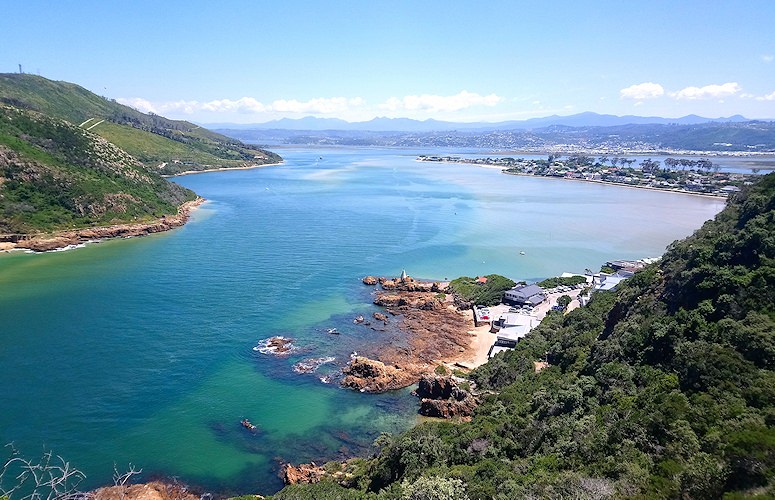
It is an area of unsurpassed beauty and splendor, offering various water sports such as boating, angling, and diving. Beautiful lush and indigenous forests, tranquil lakes, and golden beaches surround it, making it a true natural wonderland. The Knysna Marine Reserve, which falls within the Knysna National Lakes Area, has been established as a closed breeding area for invertebrates (bait organisms) to restock areas open to exploitation. The town bears the same name and is a vibrant settlement with many fine accommodations and dining establishments.

Province
Western Cape
Area
Garden Route
Marine Icon
Knysna seahorse
Famous bird species
Knysna turaco (Knysna loerie)
Famous tree species
Outeniqua yellowwood
Plant species
~8,000
Kingfisher species
5
Big tree age
~800–900 yrs

Safaris and Tours that visit Knysna

Travel through South Africa in comfort and style with our handpicked destinations and carefully curated itineraries.
16 Days From: USD 10,295 - 14,302 pp Luxury Code: T06

Luxurious accommodations and expert guidance make this extensive private tour experience in South Africa truly memorable. You are accompanied by a dedicated private guide.
15 Days From: USD 5,293 - 7,765 pp Personal & National Park Camps Code: T12

Many of the top destinations in South Africa are explored in the company of an experienced African Sky guide. This comprehensive tour travels down the eastern side of South Africa.
7 Days From: USD 1,755 - 3,219 pp Personal Code: T19

Departing and returning to Cape Town, this week-long tour focuses on the wine-producing region of the Boland before venturing to South Africa's most picturesque coastal stretch.


Reasons to visit the Knysna National Lakes Area

1

Water world

The estuary, rivers, and streams that make their way down through the mountains to the Indian Ocean offer guests myriad water-based activities. Power-boating, diving, canoeing, taking a dip in the ocean, or hiking alongside a river en route to the beach are all on the cards.

2

Elephant Sanctuary

Knysna is famous for the elephant that used to roam the mountains and hills freely before they were hunted to near extinction. A few wild elephant are still active in the Garden Route National Park, but catching a glimpse is almost impossible. The Knysna Elephant Park can still provide visitors with a personal encounter.

3

Adventure Seekers

Look no further if you want something more out of your African experience. Paragliding, powered paragliding, and skydiving opportunities will sweep you off your feet. No experience is required, as guests are in tandem with an experienced instructor. There is no better way to view the estuary than from this vantage point.

Start Planning

Experiences to Savor at Knysna National Lakes Area

Relish the spoils of where the coast meets the lush Knysna forests and flourishes into a land of lakes. The Knysna National Lakes Area is a rewarding destination, from endemic species to ancient trees and near-mythical landscapes to pure adventure.
Horsing around

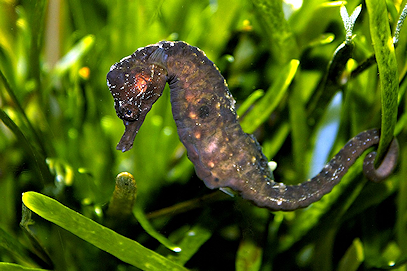
You must get to know the Knysna seahorse, the little creature that can be seen nowhere else in the world. A trip to the SANParks office on Thesen Island offers visitors the opportunity to view it up close and learn more about this endangered lagoon-dweller.
Tree hugging

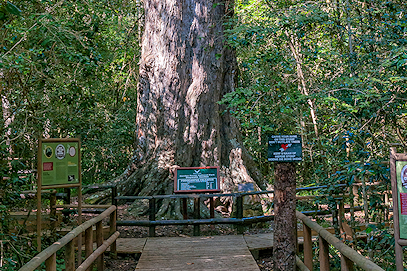
Hugging the big tree, also known as the King Edward VII tree, near Diepwalle Forest Station has become somewhat of a tradition. Give some love to the big Outeniqua yellowwood, estimated to be between 800 and 900 years old.
Forest Legends

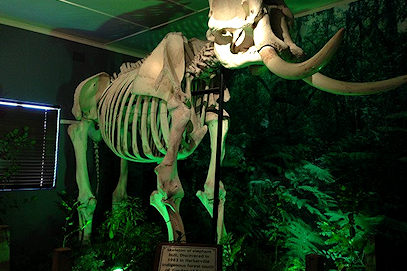
Probably one of the best-kept secrets of the Knysna Forest, the Forest Legends Museum is situated in the Diepwalle region of the Knysna Lakes Area and holds historical and environmental treasures such as a skeleton of one of the famed Knysna elephant — legends in their own right.

Useful Information

History

The word “Knysna” comes from the original inhabitants, the Khoikhoi. The name means “fern.” The “k” is silent but indicates that the word started with a click. Europeans arrived at Knysna in the 1760s and established a farm called Melkhoutkraal. The first farmer, Stephanus Ter Blans, was given a loan permit to farm here in 1770. George Rex is credited with being the founder of Knysna. The British-born entrepreneur was long rumored to be a royal bastard of King George III. Rex acquired the loan rights to Melkhoutkraal in 1804 and to another farm, Welbedacht (renamed Eastford), in 1816. Rex gave 32 hectares of Eastford to the colonial government, where the Royal Navy established the township of Melville.

Knysna started developing commercially after the Thesen family arrived from Norway on a sailing ship, the Albatross. The Thesen brought sailing, commercial, and practical skills. They started extracting and exporting timber, established a sawmill, and even manufactured small boats. Knysna experienced a minor gold rush after a golden nugget was found in the Karatara River in 1878. This fast-developing port became infamous for the dreaded Knysna Heads that ships had to enter the estuary through. The famous coxswain and pilot John Benn became known for guiding ships through this treacherous port. The Heads are still counted among the most dangerous port entries in the world.

Wildlife

At first glance, Knysna might not seem full of wildlife, but upon closer inspection, this will prove false. It is a treat to dive into the Knysna estuary and spot this endangered tiny seahorse among the marine vegetation. It is the world’s first seahorse to be listed as endangered. If you don’t want to get wet, look at it in the SANParks Thesen Island office. For anyone keen to dive, the Knysna estuary is an underwater wonderland filled with indigenous fauna, flora, and many shipwrecks.

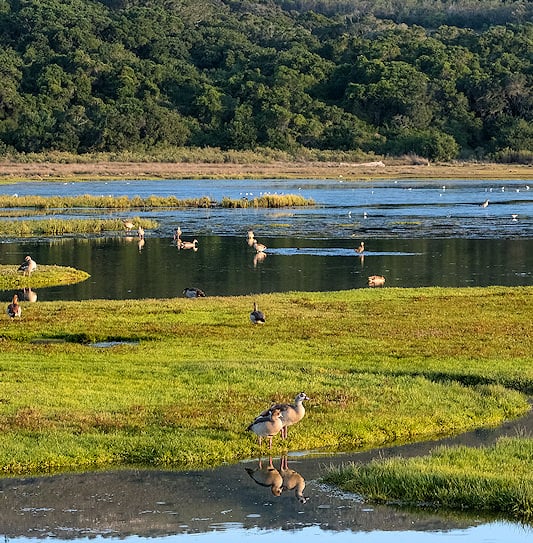
Birds are plentiful. The estuary provides the perfect habitat for marine birds. Thus, seagull, cormorant, and even the endangered southern black oystercatcher are spotted frequently. The area hosts five kingfisher species, and fish eagle are common. The nearby natural indigenous forests contain the famous Knysna turaco (Knysna loerie). The large indigenous forests have antelope like bushbuck, blue duiker, common duiker and steenbok. Leopard and caracal also move through these forests, though very stealthily. Recently, when trying to capture leopard footage on camera traps, the Cape Leopard Trust even got one sneaky photo of the thought-to-be extinct Knysna elephant!

Vegetation & Terrain

A large part of the Knysna Lakes Area recently joined with the Wilderness and Tsitsikamma regions previously protected by SANParks to create the Garden Route National Park. The Knysna Lakes Area is of critical importance because it encompasses the most important estuarine ecosystem in South Africa. It is also the only known natural estuarine bay in the warm-temperate region and is home to the rare Knysna goby and Knysna seahorse. An estuary acts as a nursery and essential feeding ground for marine animals.

Flanking the estuary, two geological features, known as the Knysna Heads, tower over the estuary like sentinels. You can visit the eastern head at any time. The western head is located on a privately owned reserve. Looking inland from the Heads, the Knysna Forest and its closed canopy stretch in both directions. The indigenous forest is accompanied by fynbos vegetation, which has over 8,000 plant species and falls within the Cape Floral Kingdom. Although the entire forest is protected, the Outeniqua yellowwood, real yellowwood, milkwood, and stinkwood count among those with the highest level of protection.

Activities

Knysna is an all-in-one area for wildlife, landscapes, and adventure. Some of the best hiking trails in the country can be found in the area and encompass a series of settings, including the famed Knysna Forest and coastal regions. The lagoon and Knysna Heads are ideal spots for landscape photographers or those searching for a breathtaking view. You can play golf at the impressive Simola Golf and Country Estate, and boating, snorkeling, and various other water activities are available for those more comfortable on or in the water. Paragliding is also popular in the area.

If you are traveling with kids, sandboarding and a trip to Monkeyland or the Knysna Elephant Park are a few activities to keep in mind. If you prefer a more relaxed experience, try a sunset cruise on the lagoon, a day at the beach, or a picnic in the woods. There are various weekly and monthly local markets and events where local craft-makers gather. If you love wine or beer, visiting the Packwood Wine Estate & Vineyard or Mitchell’s Brewery should be on your to-do list.

Last Updated: November 21, 2025 Curated By: Riaan Viljoen