


 Blog
Blog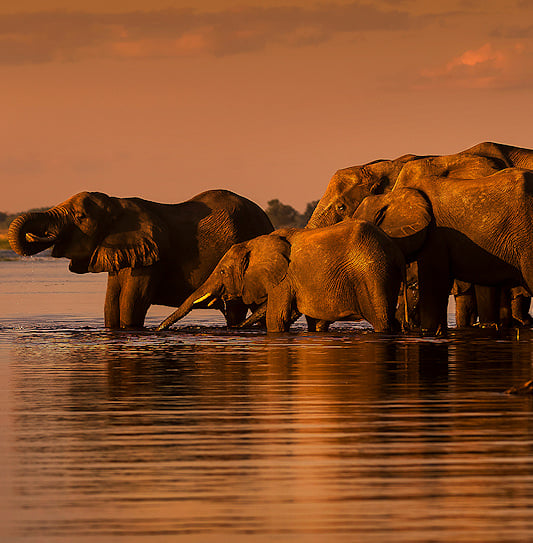
Chobe National ParkTravel and Vacations
Help Me PlanPopular Areas in and Around the Park
Unforgettable, wild, and exhilarating—Chobe is conveniently close to Victoria Falls for an ideal combination safari.
Northern Chobe Riverfront
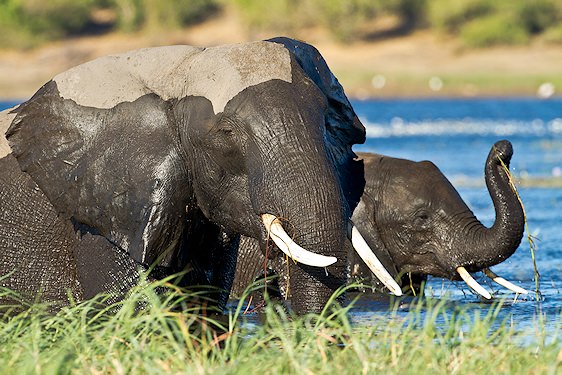
The river and floodplain that form the border between Botswana and Namibia attract major concentrations of animals during the dry season. Ancient riverside trees shelter many bird species, and the floodplain between Kasane and Serondela holds dense groves of fever berry and woolly caper bushes.
Savute
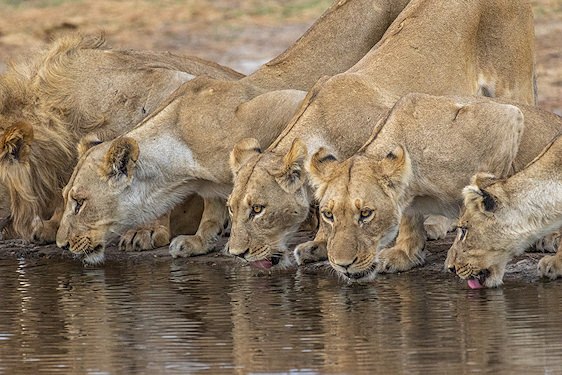
Savute is one of Africa's finest wilderness regions. The annual zebra migration passes through the area, drawing large lion prides. The Savute Channel began flowing again after decades of dryness, feeding the Savute Marsh and creating rich pastures in an otherwise arid landscape.
Linyanti Marsh
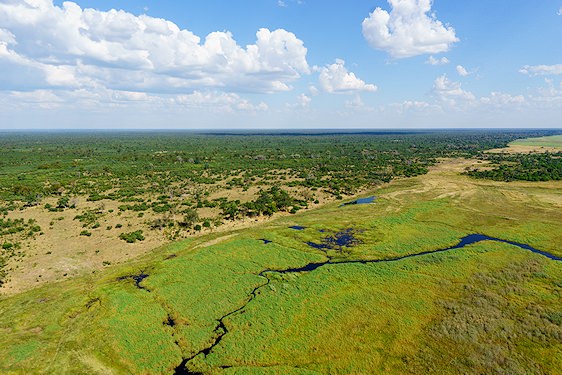
Linyanti lies in the far northwestern corner of Chobe National Park. Resembling the Okavango in places, it spans roughly 900 square kilometers of reed-lined channels, wooded islands, and lagoons. The region is a dry-season haven with abundant wildlife and superb birding.
Chobe National Park Vacation Options & Travel Tips
Chobe National Park is widely regarded as one of Africa’s premier safari destinations, thanks to dense wildlife concentrations along the Chobe River.

Tours, Safaris & Honeymoons
Browse our thoughtfully crafted safari tours.

Tailor-Made Vacation Packages
All our tours and safaris can be customized.

Travel Tips & Advice
Important information about visiting Southern Africa.
Recommended Safari Lodges
Chobe is home to traditional lodges accessible from Kasane and Victoria Falls, and remote safari camps reached by light charter flight.
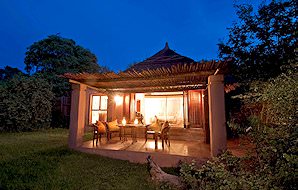
Chobe Chilwero Lodge, an A&K Sanctuary
Chobe Chilwero is a luxury lodge on a hill overlooking the Chobe River floodplain, offering land and water-based game viewing.
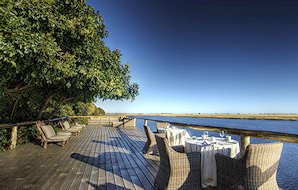
Chobe Game Lodge
Chobe Game Lodge is a larger, hotel-style luxury lodge with sweeping views of the Chobe River, famously hosting one of Elizabeth Taylor’s weddings.
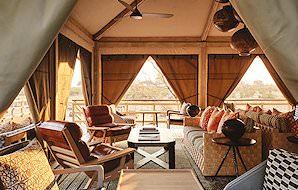
Savute Elephant Lodge
Savute Elephant Lodge offers luxury accommodation on the Savute Channel in a remote part of Chobe National Park.
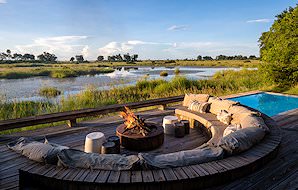
Kings Pool Camp
One of Botswana's most remote and intimate safari camps, built on the site where a Scandinavian monarch once camped.
Sunsets & Silhouettes in Chobe Park
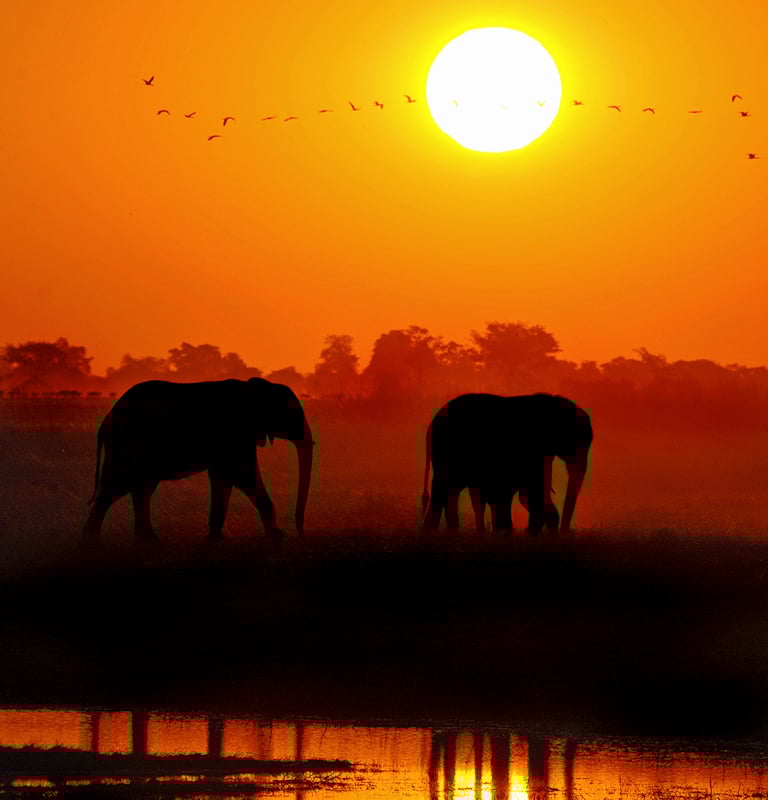
A giant red sun setting over Chobe is a signature safari moment. Broad floodplains and open skies create dramatic panoramas, with wildlife silhouetted against a fiery African sky.
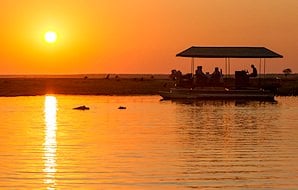
The Chobe River adds its own glow at dusk as the light turns the water golden—perfect for a boat cruise where crocodile slip into the channel, birds skim the surface, and animals gather to drink after a hot day.
Foods to try when visiting Chobe National Park
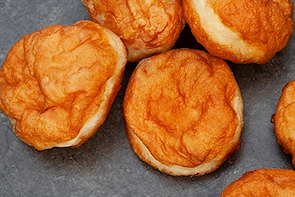
Vetkoek
Vetkoek is a type of deep-fried bread made from cake flour. It is a local favorite eaten plain, filled with beef mince, or spread with butter and jam.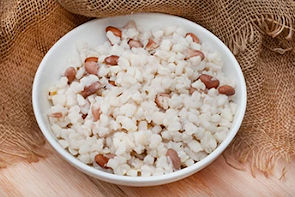
Samp
Samp consists of dried corn kernels crushed until broken but not fine. It is cooked in salted water and served as a starch with fish or meat dishes.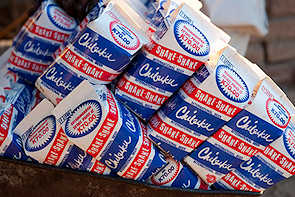
Chibuku
Chibuku is a sorghum beer brewed in Botswana—ingredients include sorghum, maize, and millet. Alcohol content ranges roughly from 0.5% to 4%.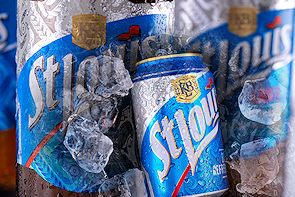
St Louis
St Louis Lager is Botswana's only locally produced lager beer. It has been brewed for decades—perfect on a sunset cruise or a hot Chobe afternoon.Safari Activities
Several activities focused on experiencing Chobe’s wildlife and natural beauty are available to visitors. In addition to nature-based excursions, select cultural immersions are offered.
Open 4x4 Game Drives
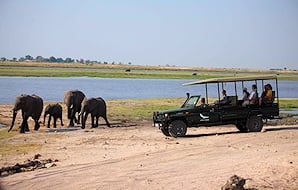
Open 4x4 drives are interpretive and guided by a local ranger and tracker. They offer close, responsible viewing of animal and bird life. Drives typically depart at dawn and late afternoon and last about three to three and a half hours.
Water-Based Game Viewing
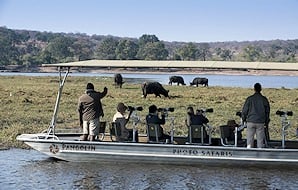
The signature wildlife activity here involves game viewing from specially adapted small boats. It offers a unique way to observe wildlife along the riverbanks. These boat safaris run in the morning and late afternoon. Late-afternoon cruises often deliver peak sightings as more animals gather at the water’s edge and sunsets light the river.
Riverboat Cruises
Several riverboats offer multi-night cruises on the Chobe and Zambezi near Kasane. The Zambezi Queen is a popular option, with two guided game activities daily from the vessel.
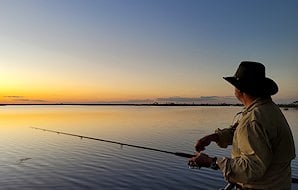
Fishing
Chobe has become a sought-after fishing destination, with around 90 freshwater species recorded near Kasane. Tigerfish—the region’s hardest-fighting freshwater species—draw most international anglers.
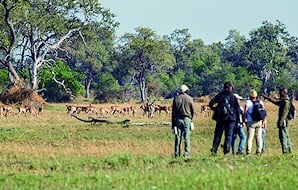
Bush Walks
Guided bush walks from most lodges offer a quiet, immersive way to view wildlife. Skilled rangers interpret signs and behavior and ensure safety near potentially dangerous animals.
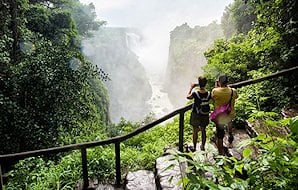
Visits to Victoria Falls
Explore Victoria Falls on a day trip from northern Chobe. Many itineraries pair a Chobe safari with time at the falls.
History
The first inhabitants of the area where Chobe National Park exists today were the Basarwa—descendants of the San Bushmen. You can still view their rock art on rocky hills scattered throughout the region.
During the 1930s, the British High Commissioner visited the Chobe River and recommended that the region become a wildlife conservancy, following the example of the Kruger National Park in South Africa. Subsequently, an area about a third of the park's current size was proclaimed a non-hunting area.
In 1960, the Chobe Game Reserve was created and received official national park status in 1968. Several commercial ventures, primarily tied to the timber industry, remained inside Chobe until 1975, when they were moved outside the park boundaries. Chobe has since established itself as one of Africa's most prolific national parks, conserving vast herds of common mammals and several rare carnivores and antelope species.
Wildlife
Though not as diverse in species as the Kruger National Park, the herds encountered in Chobe are typically much larger. Elephant, especially, can be seen by the thousand throughout the region. These giant pachyderms substantially impact the environment and have thinned some dense thickets along the Chobe River. Each fully grown animal requires roughly 150 kg of fodder daily. Buffalo, wildebeest, and zebra occur in large numbers, as do impala. Notable antelope include sable, roan, kudu, and waterbuck. The rare puku and Chobe bushbuck occur nowhere else in Botswana. The small oribi and Sharpe’s grysbok are other species seldom seen in any of Southern Africa’s parks.