


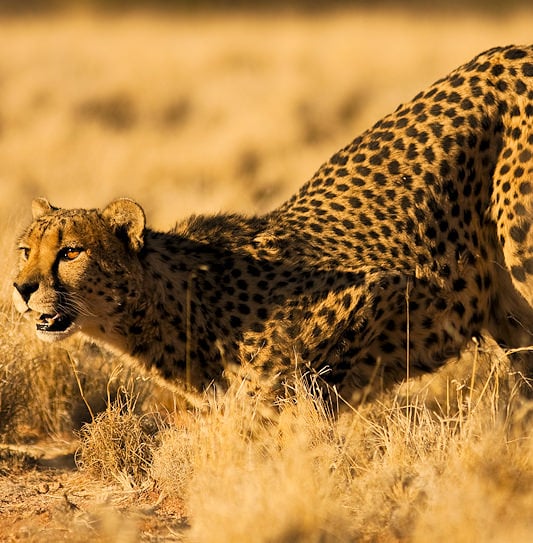
Description
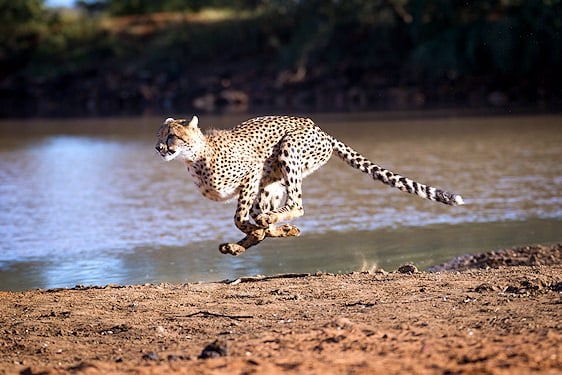
Slender, long-limbed cats built for acceleration and maneuverability. Distinctive black “tear marks” run from the inner eyes to the mouth; a tan coat is peppered with solid black spots (no rosettes). Cheetah reach top speeds around 80–100 km/h in short bursts, accelerating to highway speeds in a few seconds, but sprints typically last well under half a minute.
This is an endangered animal and always a very special sighting in the Kruger National Park. Surprisingly, I have more commonly seen cheetah in the mopane woodland areas than out on the open grasslands, although that certainly does not mean they are not found there as well. Most of my cheetah sightings have been between Letaba and Shingwedzi, but they are also commonly spotted in the grassland areas around Satara. Another favourite area to look for them is in the grassy areas near Lower Sabie and along the Crocodile River near Berg-en-Dal. One of the telltale signs that cheetah may be in an area is to look on top of the road signs in the park. Cheetah often use these signs as scent-marking posts by defecating on them. Older scat is usually white in colour, while fresh scat is normally much darker or black.
 - Mary-Anne Finlay - Tour Guide Since 2006 (THETA Registration No: GP 2432)
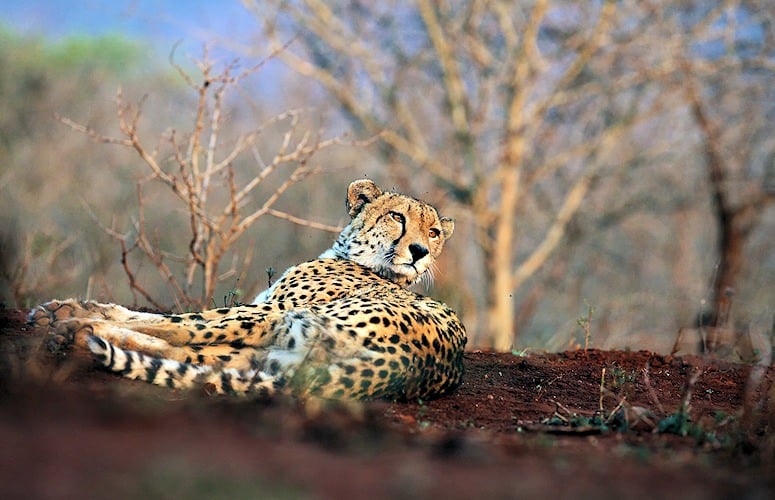
Cheetah persist in fragmented populations across Africa, with Southern Africa a stronghold—including the Greater Kruger landscape and conservation areas in Mozambique, Zimbabwe, Botswana and Namibia. Of roughly seven thousand wild cheetah, well over four thousand occur in Southern Africa.
Best Safari Tours for Viewing Cheetah

14 Day Luxury Family Tour
Includes a safari in Pilanesberg National Park—good cheetah country with open plains and low hills.
10 Day Northern Namibia Private Overland Tour
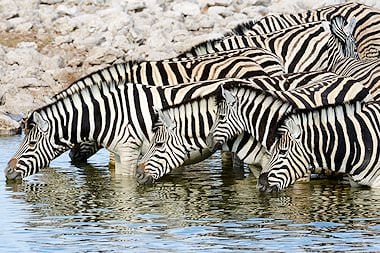
Private, guide-accompanied exploration of northern Namibia with chances of cheetah on Etosha’s fringes and conservancies.
9 Day Highlights of Namibia Safari
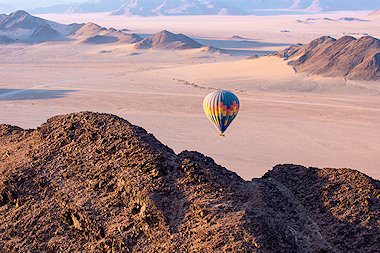
Fly-in access to premier Namibian reserves known for open savanna—ideal cheetah hunting habitat.



Status
Globally listed as Vulnerable, with several subspecies in graver danger (e.g., Northwest African cheetah is Critically Endangered). Primary pressures are habitat loss, declining wild prey, conflict with livestock, and low genetic diversity. The Greater Kruger ecosystem and adjoining private reserves remain among the better places to see cheetah in South Africa.

Habitat
Favor open to lightly wooded savanna and grasslands with moderate cover (medium grass, shrubs or scattered trees) to stalk within 30–60 m of prey before a short sprint. Typical prey are medium antelope such as impala in Kruger; elsewhere, springbok and Thomson’s gazelle feature prominently. Juvenile wildebeest and other small to mid-sized ungulates are also taken.

Social Organization
Mostly solitary. Adult males often form stable coalitions (frequently brothers) that defend small, high-quality territories. Females range widely in overlapping home ranges and are not territorial; they move with prey availability. Where migrations occur, home ranges expand to track herds.
Finest Safari Areas in Africa for Encountering Cheetah
For reliable chances on game drives and guided walks, start with these parks and private reserves.

Social Behavior
Vocalizations include bird-like chirps, purrs and growls. Greetings may involve mutual sniffing; rubbing is less common than in other cats. Daily movements can span several kilometers as cheetah patrol, stalk and rest on vantage points (termite mounds, low trees) to scan for prey and rivals.

Reproduction
Females typically first breed around two years. Courtship is brief; scent-marking helps locate receptive females. Gestation is ~90–95 days; litters average 3–4 cubs born in dense cover. Cubs are highly vulnerable, so mothers keep them hidden and shift den sites frequently until they can travel and learn to hunt over the following year.

Anti-Predator Behavior
Adults are out-competed by lion, hyena and leopard and often lose kills to them. Cubs face threats from large eagle and mammalian carnivore. Defense relies on vigilance, concealment and avoidance; mothers display intimidation postures when necessary but generally avoid direct confrontation with larger predators.