


Description
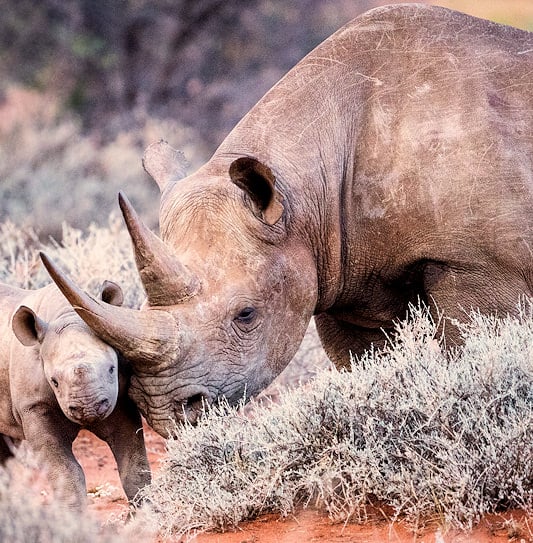
Darker gray than the white rhino and more compactly built, the black rhinoceros is instantly recognized by its prehensile, hook-shaped upper lip—ideal for browsing leaves and twigs from shrubs and small trees. Heavily built yet agile, it favors cover, rests in shade during heat, and typically carries two horns, the front often longer.
Black rhinoceros are extremely elusive and far more difficult to find than white rhino. They favour dense thickets and quieter areas where they remain concealed for most of the day. In my experience, sightings are usually brief and often occur unexpectedly while travelling between camps. Due to the ongoing poaching threat facing rhino in South Africa, I prefer not to publicly share specific roads or regular sighting locations within Kruger National Park.
 - Mary-Anne Finlay - Tour Guide Since 2006 (THETA Registration No: GP 2432)
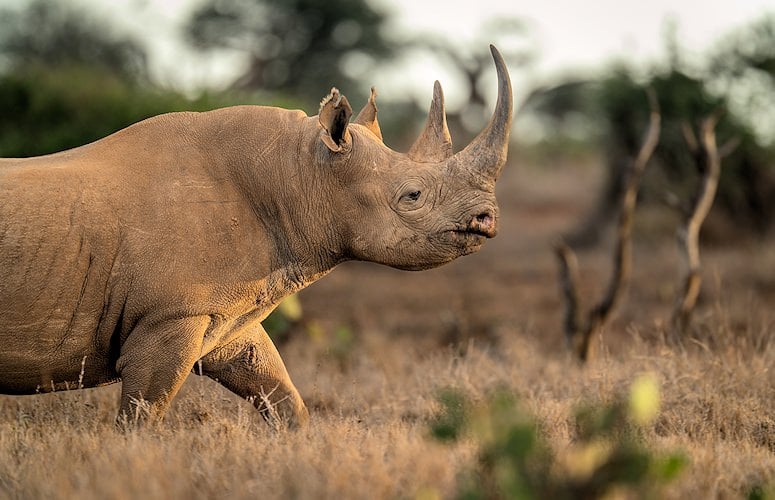
Historically widespread across much of sub-Saharan Africa, the species now persists in protected areas and private reserves through intensive conservation. In Southern Africa, reliable viewing is possible in the Kruger National Park, Pilanesberg, Madikwe, parts of Namibia (including Etosha and Damaraland), and KwaZulu-Natal’s reserves such as Hluhluwe-iMfolozi.
Best Safari Tours for Viewing Black Rhino
9 Day Three Area South African Safari
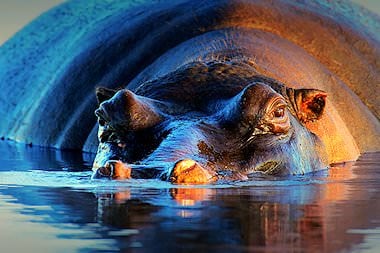
Three of South Africa’s top private reserves form the focus of this package, with Sabi Sand, Phinda, and Shamwari all included.
10 Day Northern Namibia Private Overland Tour
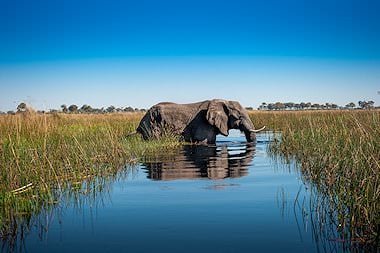
This private tour of northern Namibia offers opportunities to view black rhino in Damaraland and Etosha National Park.
5 Day Kruger Park Explorer Safari
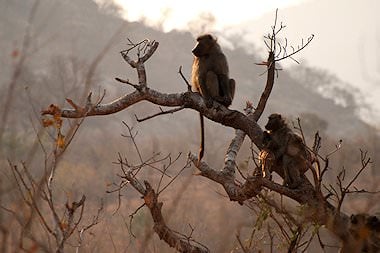
Southern Kruger holds significant rhino populations. This safari focuses on the southern and central sections with prime game viewing.



Status
Black rhino are classified as Critically Endangered. Intensive protection and translocations have helped some populations recover, yet poaching and habitat loss remain the primary threats. Numbers vary by country and reserve; many sightings today are the result of long-running conservation partnerships between parks and private custodians.

Habitat
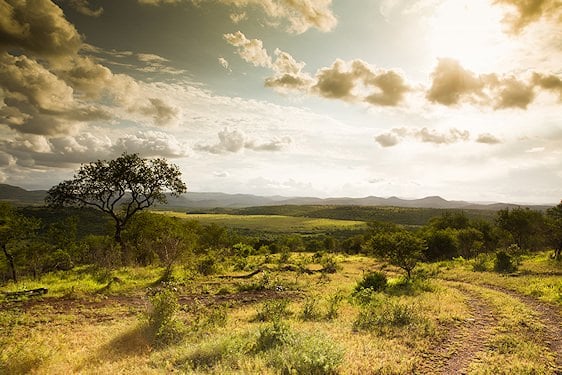
A browsing specialist, black rhino favors dense bushveld, thicket, and woodland mosaics with abundant shrubs and small trees. It typically avoids open grassland and closed rainforest, selecting habitats that provide both forage and cover. Diet breadth is high, with leaves, shoots, and fruits taken from a wide variety of woody species.

Social Organization
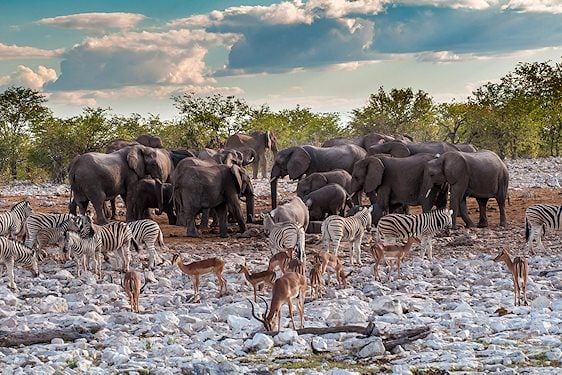
Generally solitary. Adult females hold overlapping home ranges; adult males are more territorial. Temporary aggregations occur at water sources, especially in arid systems like Etosha. Cows remain with calves until the next birth; subadults disperse once independent.
Finest Safari Areas in Africa for Encountering Black Rhino
We recommend the following national parks and reserves for excellent chances of sightings on game drives and bush walks.

Social Behavior
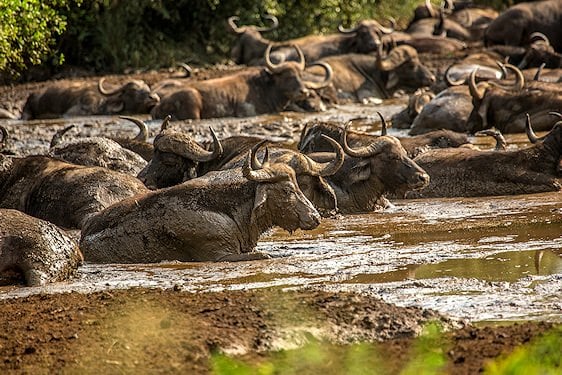
Most active early and late in the day, black rhino spend the heat resting in shade, visiting water and wallows to cool and deter parasites. Bulls may engage in ritualized displays and occasional combat over territories or receptive cows. Scent-marking with urine and dung communicates occupancy and reproductive state.

Reproduction
Breeding can occur year-round. Courtship includes close following, vocalizations, and scent cues. Gestation is about 15 months; a single calf is born and remains with the cow for roughly 2–4 years, resulting in long intervals between births. Females usually breed from ~5–7 years; males from ~7–10 years.

Anti-Predator Behavior
Adults face few natural predators; calves can be vulnerable to large carnivores. When threatened, black rhino snort and may charge—especially cows with calves. Calves typically follow behind the mother in dense cover, while the cow leads. Poaching remains the most significant modern threat, mitigated through intensive protection and de-horning in some areas.