Blog
15 Day Private National Parks Safari
Help Me Plan
A Privately Guided Safari Through South Africa's Great Wildlife Areas
Fifteen days across some of South Africa's finest wildlife areas, from the open savanna of Kruger to the forests and coast of the Garden Route. The journey includes Eswatini, uMkhuze, Hluhluwe-iMfolozi and Addo, with several nights in each major wildlife region. An experienced African Sky guide accompanies you throughout the safari, making it possible to spend longer at a productive waterhole, follow up on recent sightings or change the day's plans when conditions warrant it.
Safari Overview
The safari begins with three nights in southern Kruger before crossing Eswatini to reach the wildlife reserves of northern KwaZulu-Natal. Two nights near uMkhuze and another two in Hluhluwe-iMfolozi provide time for game viewing in habitats quite different from those of Kruger. A flight from Durban to Gqeberha connects the northern and southern sections of the trip, followed by three nights in Addo Elephant National Park. The final three nights are spent in Knysna, exploring the forests, lagoons and coastline of the Garden Route.
Travel Pace & Connections
Most of the safari is undertaken in a private, air-conditioned vehicle, with a domestic flight between Durban and Gqeberha to avoid a lengthy road transfer. Longer stays at Lower Sabie, Ghost Mountain Inn, Hilltop Camp, Addo Main Camp and Knysna Hollow reduce the number of times you need to pack and move. Early starts are worthwhile in the national parks, particularly during the warmer months, but there is time to rest between outings. Your guide can adjust the game-viewing program to suit your interests and energy levels.
Ideal For
Wildlife enthusiasts, birdwatchers and photographers will particularly appreciate this South Africa safari. It favors time in the national parks over luxury accommodation, with comfortable rest camps and hotels providing practical bases for exploration. Several full days are devoted to game viewing, allowing photographers to return to productive areas when light or wildlife activity improves. The closing days on the Garden Route offer a more relaxed pace and a chance to enjoy another side of the country.
- 3 Nights Kruger National Park
- 1 Night Eswatini (Swaziland)
- 2 Nights uMkuze Game Reserve
- 2 Nights Hluhluwe-iMfolozi
- 3 Nights Addo Elephant Park
- 3 Nights Garden Route (Knysna)
Price Per Person Sharing From:
USD 5,467 - 8,916The price can be reduced by substituting accommodations
What influences prices?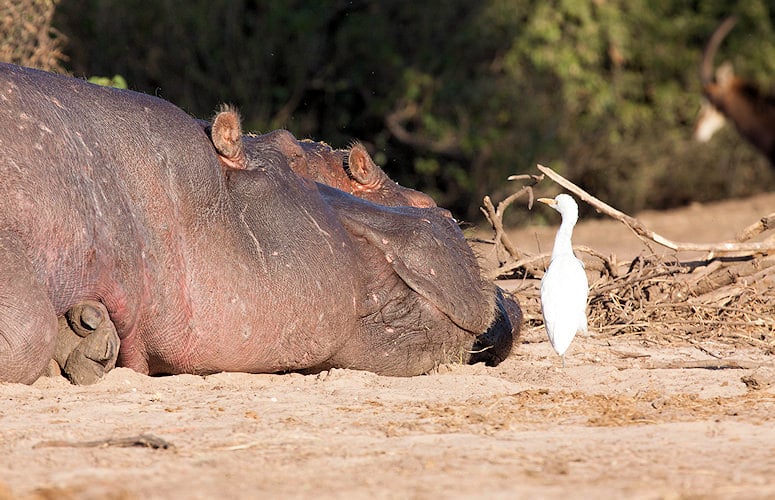
 Safari Ref. Code
 Starting Date
 Starting Point
 Ending Point
 Customizable
 Type
 Accommodation Level
 Countries Visited

South Africa Safari Itinerary 15 Day Private National Parks Safari
I’m a wildlife photographer, which means this African Sky-guided safari is a favourite. If your skill with a camera is above average and you wish to expand your wildlife photographic proficiency, this very diverse safari is for you. Privately guided trips like this one are perfect for aspiring photographers on a budget.
 - Andrew Harvey - African Sky Sales Manager Since 2012


Day 1: Arrival / Kruger National Park
Highlights
- Meet your private African Sky guide in Johannesburg.
- Travel across the escarpment into the Lowveld.
- First wildlife sightings in southern Kruger.
Your African Sky guide meets you in the arrivals hall at O.R. Tambo International Airport in Johannesburg. An arrival before 9:00 AM is recommended, as the trip to Kruger National Park takes approximately five to six hours. For later international arrivals, an overnight stay near the airport can be arranged, with the safari beginning the following morning. The drive heads east across the Highveld, descending through the escarpment into the warmer Lowveld. Kruger protects almost two million hectares of wilderness and stretches roughly 350 kilometers from north to south.
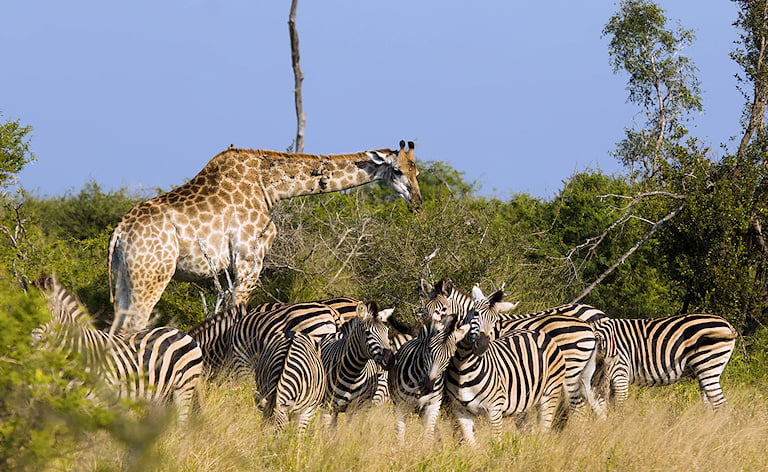
Entering through one of the southern gates, you begin looking for wildlife almost immediately. Elephant, giraffe, zebra and several antelope species are frequently encountered in this part of the park. There is also a reasonable chance of finding lion or leopard, although sightings can never be guaranteed. Your destination is Lower Sabie Rest Camp, overlooking one of Kruger's most productive rivers. Depending on your arrival time, there may be an opportunity for further game viewing before sunset. The combination of riverine woodland and adjoining grassland supports an impressive variety of animals, and the Sabie River is especially rewarding for photography.
Day 2-3: Kruger National Park
Highlights
- Early morning and afternoon game drives in southern Kruger.
- Big Five wildlife and prolific birdlife.
- Relaxed breaks overlooking the Sabie River.
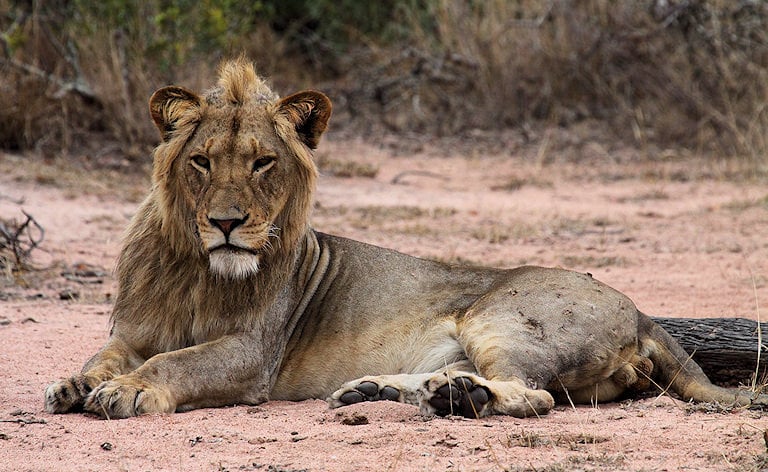
The next two days are devoted to exploring southern Kruger. Game drives begin shortly after the camp gates open, when temperatures are cooler and predators may still be active. Your guide will consider recent sightings, weather conditions and seasonal animal movements when deciding which roads to follow. Lion, leopard, elephant, rhino and buffalo are the principal attractions, but the smaller animals and birds often provide equally rewarding encounters. Cheetah and African wild dog are less frequently seen, making any sighting particularly memorable.
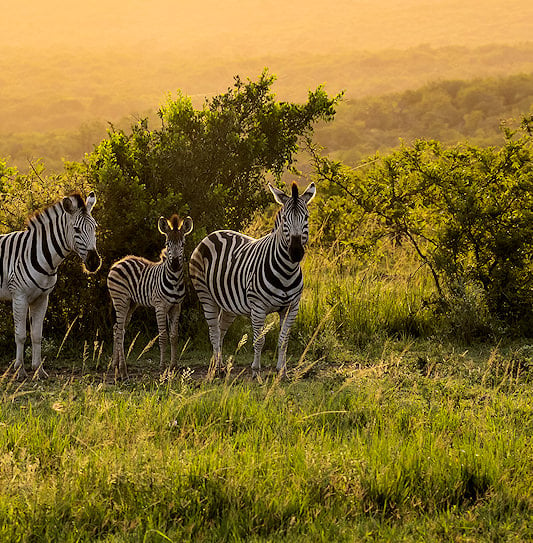
Lower Sabie is an excellent base for exploring the roads bordering the Sabie River and the open grasslands toward Tshokwane. The river attracts elephant, buffalo, hippo and a variety of antelope, while leopard sometimes rest in the large trees along its banks. Birdwatchers have plenty to occupy them: more than 500 bird species have been recorded in Kruger, including several spectacular eagles, kingfishers and storks.
Late mornings are usually spent back at camp, where the restaurant deck overlooks the river. Wildlife can sometimes be watched from here while enjoying breakfast or lunch. Afternoon drives provide another opportunity to explore before returning ahead of gate closing. The two full days also give photographers the chance to return to a promising waterhole or spend longer with a particular animal rather than moving on to cover more ground.
Day 4: Kruger National Park / Eswatini (Swaziland)
Highlights
- Final morning in Kruger National Park.
- Rural scenery and mountain views in Eswatini.
- Gardens and birdlife at Reilly's Rock.
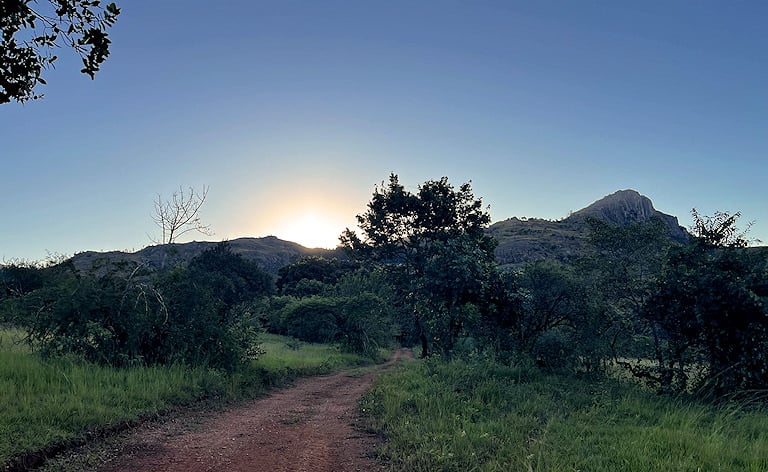
There is time for a final early-morning drive in Kruger before returning to Lower Sabie for breakfast. Leaving the park, you travel south through the farming districts of Mpumalanga toward the border with Eswatini. Sugarcane plantations, small settlements and subtropical countryside feature along the way. Formerly known as Swaziland, Eswatini is a small mountainous kingdom bordered by South Africa and Mozambique. It has retained its traditional monarchy and a distinct cultural identity.
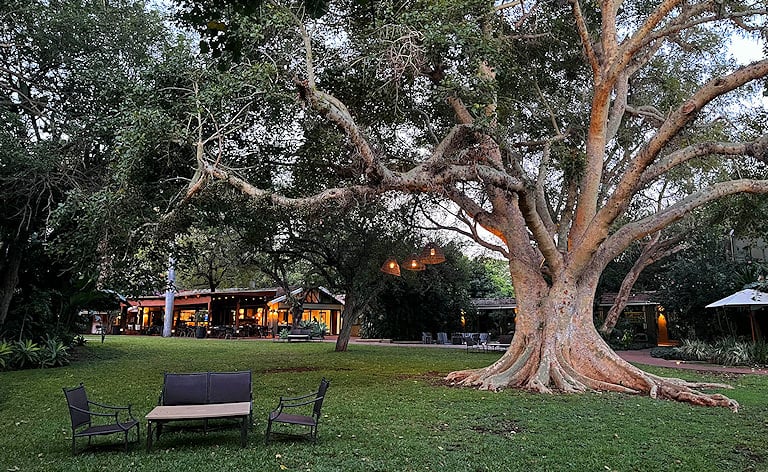
Your destination is Reilly's Rock Hilltop Lodge in Mlilwane Wildlife Sanctuary, overlooking the Ezulwini Valley. The lodge occupies an old colonial homestead surrounded by established gardens, with large trees, cycads and flowering plants attracting numerous birds. Purple-crested turacos are particularly striking when they fly between the trees, displaying the crimson feathers beneath their wings. Bushbuck and small antelope occasionally wander near the gardens.
After checking in, the afternoon is free to enjoy the peaceful setting. Stone paths lead through the grounds, and the elevated position provides wide views toward the surrounding mountains. It is a pleasant change of pace after the early starts and long game drives in Kruger.
Day 5: Eswatini (Swaziland) / uMkuze Game Reserve
Highlights
- Morning wildlife viewing in Mlilwane.
- The scenic Lebombo Mountains.
- Afternoon boat cruise on Lake Jozini.
Mlilwane Wildlife Sanctuary is one of the few protected areas in the region where visitors can explore certain trails on foot without the risks associated with large predators. Depending on your preference and the time available, the morning begins with a gentle walk or a short drive through the reserve. Zebra, impala, wildebeest and warthog are commonly seen, while the sanctuary's wetlands support additional wildlife and bird species. After breakfast at Reilly's Rock, you travel south through Eswatini toward KwaZulu-Natal.
The road passes through the country's warmer Lowveld, where extensive sugarcane plantations surround the town of Big Bend. After crossing back into South Africa at Golela, the journey continues toward Mkuze, with the Lebombo Mountains forming a prominent ridge to the east. Allow approximately three to four hours for the journey, depending on border formalities and stops. Ghost Mountain Inn, your accommodation for the next two nights, stands in attractive gardens beneath the mountain from which it takes its name.
A boat cruise on Lake Jozini is planned for the afternoon, subject to water levels, weather and operational availability. The cruise follows sections of the shoreline where hippo, crocodile and waterbirds are often encountered. Elephant may also be seen near the water, particularly when conditions are dry. Fish eagles are a familiar sight around the lake, and the Lebombo Mountains provide an attractive backdrop. You return to Ghost Mountain Inn for dinner.
Day 6: uMkuze Game Reserve
Highlights
- Varied wildlife habitats in uMkhuze.
- Photography from hides overlooking waterholes.
- Exceptional opportunities for birdwatching.
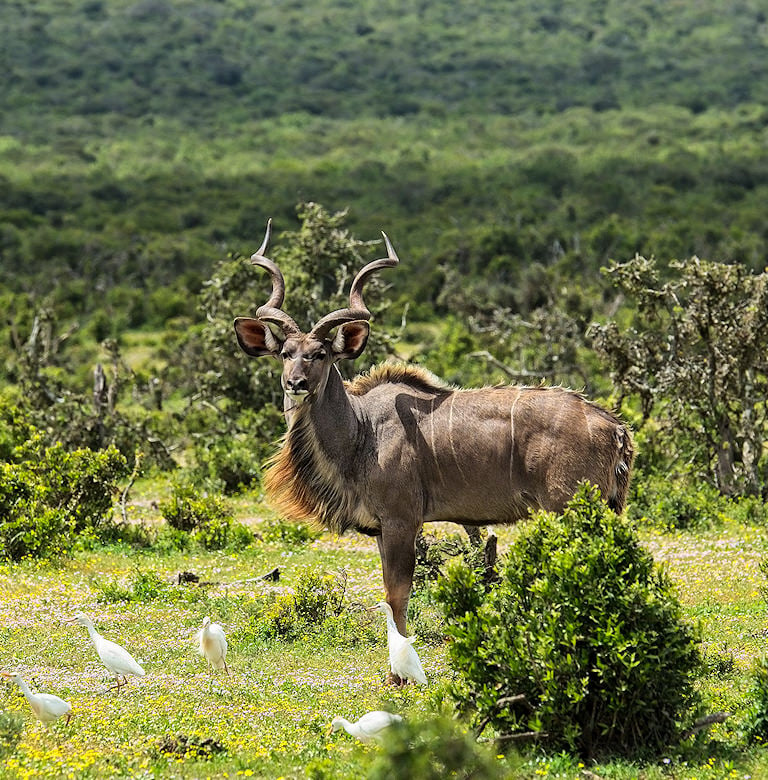
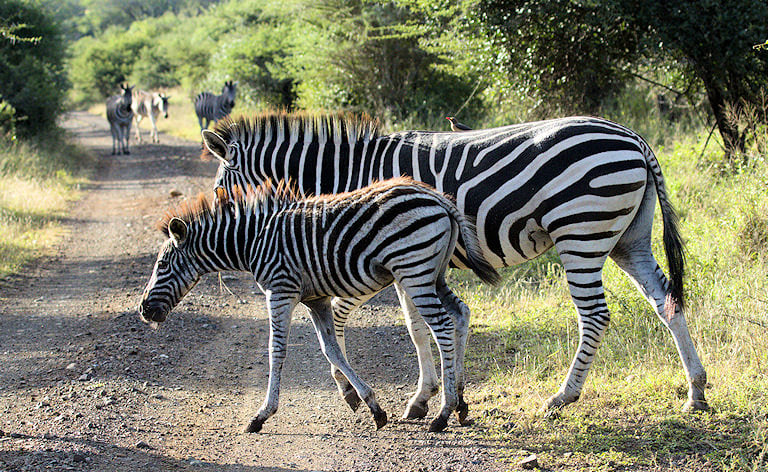
uMkhuze has long been regarded as one of KwaZulu-Natal's outstanding birdwatching destinations. Its relatively compact area contains an unusual variety of habitats, including acacia woodland, open savanna, riverine vegetation and stands of fever trees. The day is spent exploring the reserve with your guide, beginning in the cooler morning hours when animal activity is generally higher. Nyala, kudu, giraffe, zebra and other plains game are regularly encountered, while buffalo, elephant, rhino and predators are possible sightings.
The reserve's photographic hides are especially rewarding. Positioned near waterholes, they allow visitors to sit quietly while wildlife approaches to drink, sometimes at remarkably close range. Your guide may choose to spend a considerable period at one hide if animals are active.
More than 400 bird species have been recorded in uMkhuze, with the reserve particularly well known for species associated with its woodland and wetland habitats. Pink-throated twinspot, Rudd's apalis and African finfoot are among the more sought-after birds, although finding them takes patience and local knowledge. For photographers, an hour spent quietly in a hide can produce better results than a morning spent driving from one waterhole to another.
Day 7: uMkuze Game Reserve / Hluhluwe-iMfolozi
Highlights
- Travel through the countryside of Zululand.
- Visit a reserve with an important rhino conservation history.
- Afternoon game drive in Hluhluwe-iMfolozi.
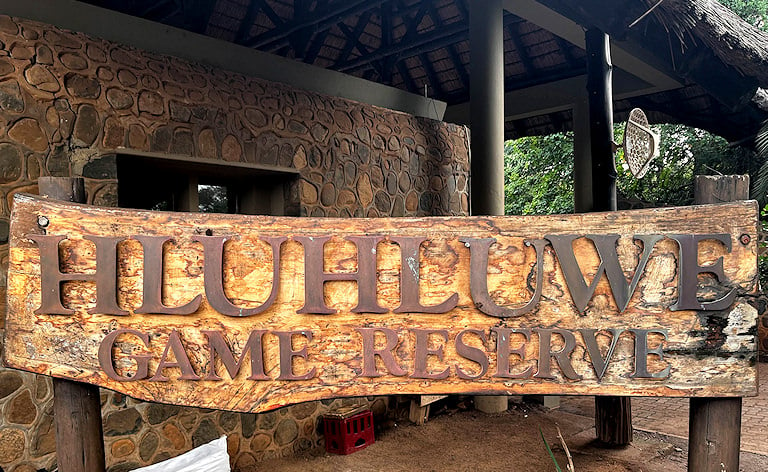
After breakfast, you leave Ghost Mountain Inn for Hluhluwe-iMfolozi Park, one of Africa's oldest formally protected wildlife areas. The journey passes through the countryside of northern Zululand, where small settlements and cultivated fields lie between stretches of natural bush. Established as separate protected areas in 1895, Hluhluwe and iMfolozi played an important role in saving the southern white rhino from extinction. Conservation and translocation programs developed here subsequently helped establish populations in other reserves.
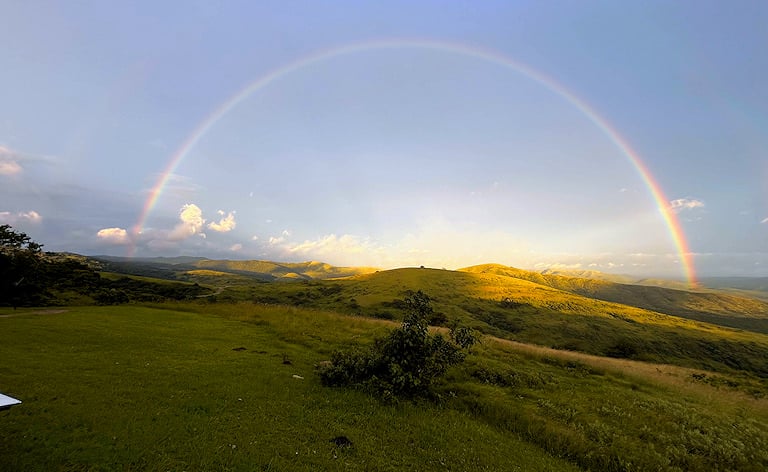
Hluhluwe-iMfolozi covers approximately 96,000 hectares of wooded hills, river valleys and open grassland. Some of its steepest terrain lies in the northern Hluhluwe section, where Hilltop Camp occupies a ridge overlooking the surrounding reserve.
An afternoon game drive provides your first introduction to the park. Elephant, buffalo, giraffe, zebra and several antelope species inhabit the valleys and hillsides, with nyala particularly associated with the thicker vegetation. Lion are occasionally encountered on the open slopes, while leopard are more elusive. Your guide will look for fresh tracks, listen for alarm calls and pay particular attention to the areas where animals are likely to gather toward evening. The drive ends back at Hilltop shortly before sunset.
Day 8: Hluhluwe-iMfolozi
Highlights
- Morning and afternoon drives over varied terrain.
- Black and white rhino are a particular focus.
- Deck views over the reserve from Hilltop.
Today's game drives explore more of Hluhluwe-iMfolozi, with a particular interest in the park's rhino population. White rhino are grazers, usually favoring open grasslands where their broad, square lips allow them to feed close to the ground. Black rhino are browsers, using their hooked upper lips to pull leaves and shoots from shrubs. They are more solitary and generally harder to find in the thicker vegetation. Your guide knows the habitats favored by each species and will adjust the day's route according to conditions and recent sightings.
The park's hills and river valleys also support elephant, buffalo, lion and numerous antelope species. Some roads climb to broad viewpoints, while others descend through wooded valleys where dense vegetation can make wildlife more difficult to spot. Moving slowly and taking time to investigate tracks or distant movement often produces the most rewarding encounters.
During the hotter part of the day, you can return to Hilltop Camp for lunch and a rest. The elevated deck is a pleasant place to watch the hillsides with binoculars. A further game drive follows in the afternoon, when falling temperatures often bring renewed activity. Dinner at camp rounds off your final evening in Zululand.
Day 9: Hluhluwe-iMfolozi / Addo Elephant National Park
Highlights
- Final views of northern KwaZulu-Natal.
- Arrival in the malaria-free Eastern Cape.
- Wildlife viewing at Addo Main Camp.
Breakfast at Hilltop Camp is followed by the drive to King Shaka International Airport near Durban, a journey of approximately three hours. Depending on the scheduled flight departure, there may be time for a short final game drive before leaving the park. Your guide will arrange the morning to allow sufficient time for the transfer and airport formalities.
The flight to Gqeberha takes approximately an hour and a half and avoids a lengthy drive across the Eastern Cape. On arrival, you continue by road to Addo Elephant National Park, roughly an hour from the airport. The countryside becomes increasingly rural as the road approaches the park, where dense thicket and spekboom vegetation dominate much of the landscape.
You spend the next three nights at Addo Main Camp. Depending on the arrival time, there may be an opportunity for a short game drive, although the camp itself offers worthwhile wildlife viewing. Its floodlit waterhole is positioned near the accommodation area, allowing visitors to watch elephant and other animals approaching the water without leaving the grounds.
Day 10-11: Addo Elephant National Park
Highlights
- Elephant herds at Addo's waterholes.
- Game viewing in the park's distinctive thicket vegetation.
- Optional night drive for nocturnal wildlife.
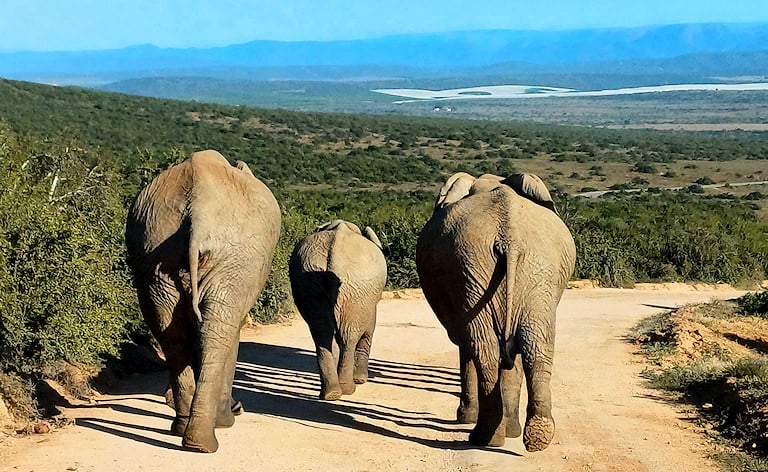
Addo is best known for its elephant, and the next two days provide plenty of opportunity to observe them. The park's waterholes are particularly productive, with family groups often arriving to drink, bathe and interact. Hapoor is one of the better-known sites, although conditions and animal movements determine which areas are most worthwhile on a particular day. Young elephant frequently play around the water, while older animals may spend considerable time feeding nearby. Remaining in one place can be especially rewarding when several groups gather.
Morning drives also offer opportunities to find buffalo, zebra, red hartebeest, warthog and other wildlife. Lion occur in the park but are not always easy to locate, and black rhino are seldom encountered. Much of the vegetation consists of dense Albany thicket, with spekboom providing important food for elephant and other browsers. Your guide will explain how the local vegetation differs from the habitats visited earlier in the safari, and why certain animals are more readily seen in particular areas.
Afternoon drives can be devoted to different sections of the park or a return to a productive waterhole. Birdlife is varied, and the combination of open ground, flowering shrubs and dense thicket offers interesting photographic possibilities. Addo is malaria-free and encompasses five biomes, extending beyond the main wildlife-viewing area into protected coastal and marine environments. The wider park is associated with the Big Seven, although southern right whale and great white shark inhabit its marine environment rather than the inland safari area. An optional SANParks night drive may be arranged, subject to availability.
Day 12: Addo Elephant Park / Garden Route
Highlights
- Travel along the scenic Garden Route.
- Forest walks and coastal views at Storms River Mouth.
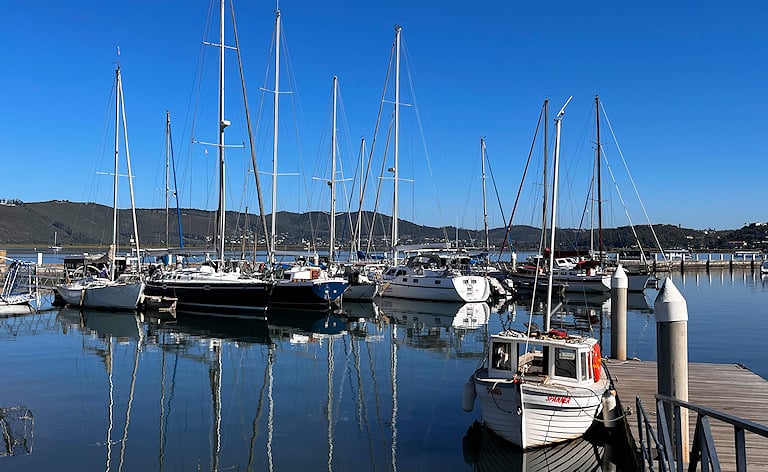
- Arrival in Knysna beside its tidal lagoon.
Leaving Addo after breakfast, you travel west toward the Garden Route. Citrus orchards, farmland and low hills gradually give way to thicker vegetation as the N2 approaches the coast. The journey to Knysna involves approximately four to five hours of driving, depending on the route, with additional time allowed for sightseeing. Your principal stop is Storms River Mouth in the Tsitsikamma section of Garden Route National Park, where forested slopes descend toward a rugged stretch of the Indian Ocean coastline.
A walking trail from the rest camp leads through coastal forest to the suspension bridges spanning the mouth of the Storms River. The main bridge is 77 meters long and provides fine views into the steep-sided gorge and out toward the ocean. Wooden walkways and steps make much of the route accessible to reasonably active visitors, although sections involve climbing. The surrounding forest contains indigenous trees, ferns and a variety of coastal plants. Those wanting a longer walk can explore additional trails if time and conditions permit.
From Storms River, the road continues through the Garden Route toward Knysna. The town lies beside a large tidal estuary, with wooded hills rising inland and the Knysna Heads marking the narrow opening to the sea. Knysna Hollow Boutique Hotel is your base for the next three nights.
Day 13-14: Garden Route
Highlights
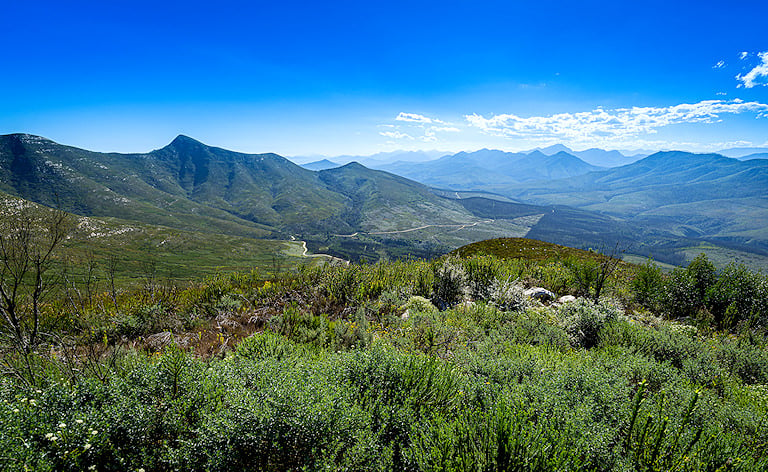
- Walking trails through indigenous yellowwood forest.
- Knysna Heads and lagoon viewpoints.
- Coastal scenery and birdwatching around Wilderness.
With two full days based in Knysna, there is time to explore several parts of the Garden Route without changing accommodations. The Knysna Forest is an excellent place to begin, particularly for visitors interested in birds, plants and photography. Walking trails pass beneath tall yellowwood trees and through dense indigenous vegetation, where the calls of forest birds are often heard long before the birds themselves are seen. Your guide can recommend a suitable walk according to your interests and fitness level.
The Knysna Heads are another worthwhile stop. These two sandstone headlands overlook the narrow channel connecting the estuary to the Indian Ocean. From viewpoints on the eastern head, you can look across the lagoon, the Western Head and the open sea. A cruise on the lagoon may be arranged, or you might prefer some time in town, exploring its waterfront, galleries and restaurants. Nearby Brenton-on-Sea provides an opportunity for a walk along a broad sandy beach.
About 45 minutes west of Knysna, Wilderness offers excellent birdwatching, forested valleys and coastal viewpoints. Short walks provide opportunities to explore the area's lakes and wetlands, while the elevated viewpoints are particularly rewarding for photography. There is no fixed program for these two days. Your guide can recommend excursions according to the weather and your interests, leaving enough time to enjoy Knysna itself. After the early starts in the national parks, many travelers appreciate having a morning or afternoon without a demanding schedule.
Day 15: Departure


Highlights
- Final morning in Knysna.
- Transfer through the Garden Route countryside.
- Departure from George Airport.
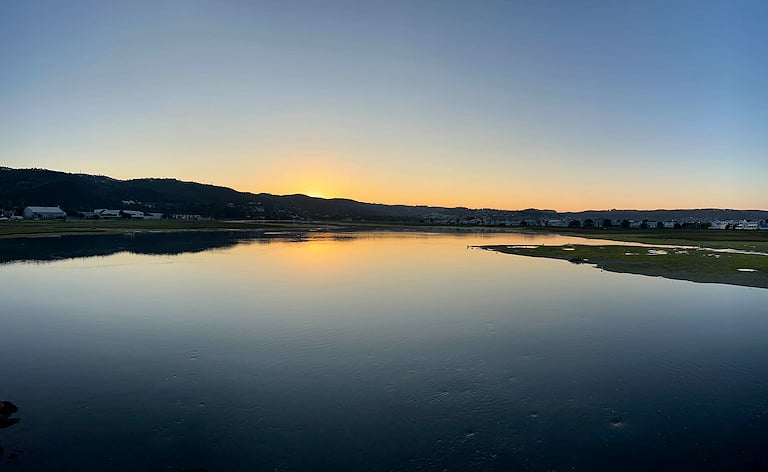
Breakfast at Knysna Hollow is followed by a transfer to George Airport, approximately an hour's drive away. If your flight schedule permits, there may be time for a short stop along the lagoon or at a nearby viewpoint before departure. Your African Sky guide assists with the airport arrangements, concluding the privately guided portion of the journey.
You then fly to Johannesburg for your onward international connection. By the end of the safari, you will have explored South Africa's principal wildlife habitats, spent several days in some of its finest national parks and experienced the forested coastline of the Garden Route. For travelers with a particular interest in wildlife, the time spent in each reserve is perhaps the greatest advantage of this itinerary.
Included

- 3 Nights Lower Sabie Rest Camp
- 1 Night Reilly's Rock Hilltop Lodge
- 2 Nights Ghost Mountain Inn
- 2 Nights Hilltop Camp
- 3 Nights Addo Main Camp
- 3 Nights Knysna Hollow Boutique Hotel

- Private African Sky Guide: From Day 1–15

- Private Air Conditioned Vehicle: From Day 1–15
- Only Meals Specified

- Durban to Gqeberha
- George to Johannesburg

- All Activities Included in the Itinerary, Unless Stated as Optional
- All Entrance Fees to Places Mentioned in the Itinerary, Unless Stated as Optional

- Tourism Levy
- All Applicable Taxes
- Park Fees, where Applicable
Excluded

- International Airfare (To and From South Africa)
- Personal and Medical Insurance
- Drinks
- Gratuities
15 Day Private National Parks Safari