


Description
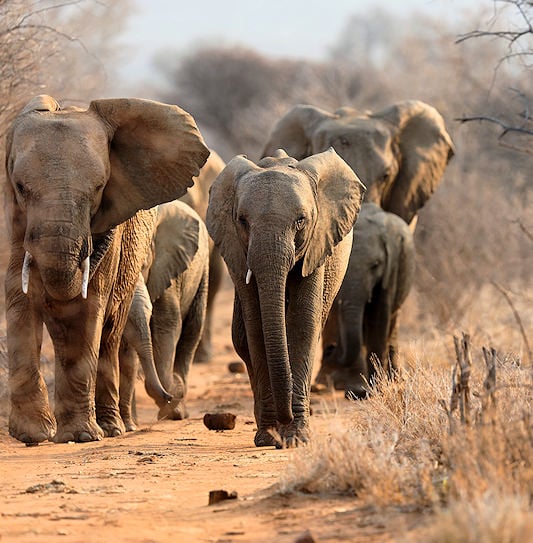
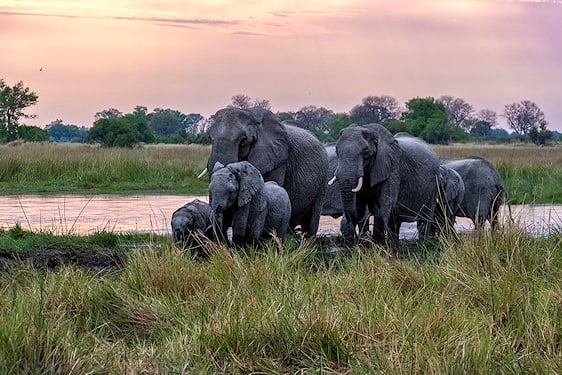
The African elephant is the largest land mammal, with mature bulls reaching up to 6 tonnes. Distinctive trunks and broad ears make identification easy, and most elephant carry tusks. In Kruger National Park, sightings are frequent on game drives and near water, where herds gather to drink, feed, and interact with remarkable social coordination.
Elephant are not territorial and generally move within preferred home ranges. Due to their size they are usually not difficult to find, especially from mid-afternoon onwards as they move toward water. Some of the best elephant sightings involve bathing and playful interaction at waterholes such as Nsemani Dam, Girivana Dam near Satara and the Punda Maria waterhole. For those searching for Kruger’s emerging tuskers, the regions north of the Olifants River are often the best areas to explore.
 - Mary-Anne Finlay - Tour Guide Since 2006 (THETA Registration No: GP 2432)
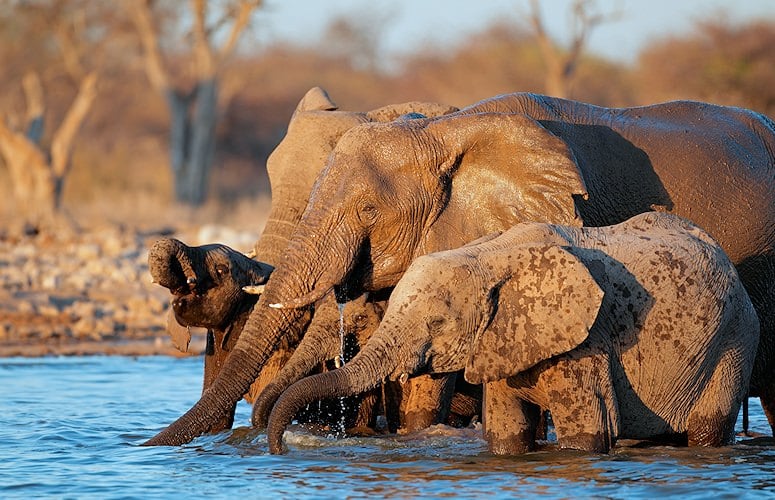
Elephant occur across protected regions of Southern Africa, including Botswana, South Africa, and Namibia, with additional strongholds in Zambia, Kenya, and Tanzania. The most reliable viewing in South Africa is in Kruger National Park and adjoining private reserves. Overabundant elephant can transform woody vegetation over time, so protected areas actively monitor numbers to balance habitats.
Best Safari Tours for Viewing Elephant

9 Day Three Area South African Safari
This safari package allows you to view elephant in three distinct safari areas in South Africa.
7 Day Okavango with Chobe and Vic Falls
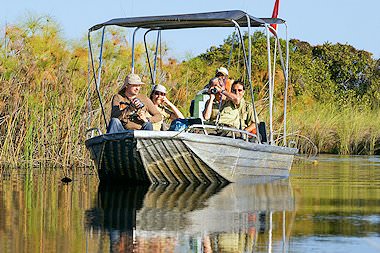
The wilderness areas of Botswana hold some of the largest concentrations of elephant in Africa. This package explores these areas.
5 Day Kruger Park Explorer Safari
This short private safari visits Kruger National Park in the company of a knowledgeable guide.



Status
The conservation status of the African savanna elephant is endangered. Key pressures include habitat loss, human-wildlife conflict, and historical ivory trade impacts. Populations in parts of Southern Africa are stable or increasing, while numbers elsewhere remain vulnerable. Desert-adapted elephant in Namibia face added challenges from aridity and climate variability. The continental population is about 470,000, with Botswana supporting the largest share.

Habitat
Elephant are highly adaptable and occur from arid savanna to woodland and forest edges. In Kruger National Park, the species is widespread, with no single biome guaranteeing sightings. Large daily needs limit local densities: a herd can drink up to 600 liters of water and consume around 7% of body weight—up to 420 kg—per day, so managers monitor numbers to protect vegetation structure.

Social Organization
Elephant are organized in herds led by a dominant female, the matriarch, typically the oldest female. Herds function as close-knit families of related females and juveniles, while adult males are more solitary. In arid systems, matriarch memory of water and forage routes is critical for seasonal movements; in more predictable rainfall zones, leadership focuses on coordination and safety.
Finest Safari Areas in Africa for Encountering Elephant
We recommend the following national parks and private reserves for the best chances of spotting elephant on safari game drives and bush walks.

Social Behavior
Elephant are among the most intelligent land mammals, capable of complex emotions like sadness, happiness, and excitement. Family bonds are strong, and herds may revisit deceased relatives. Matriarch memory supports migration over many kilometers. Communication includes low-frequency calls and vibration detection through the feet, synchronized freezing, tactile contact, and ear displays that signal annoyance, aggression, or excitement.

Reproduction
Male elephant begin competing for mates around 20 years of age and can reproduce into their forties. Males contest access to females, and the strongest typically succeed. After mating, a male may remain with a female briefly before moving on. Females carry calves for nearly two years, and young remain with their maternal family for up to two decades.

Anti-Predator Behavior
Elephant have few natural predators due to their size. On rare occasions, lion may target calves. When threatened, a herd forms a protective circle with calves inside while larger individuals confront the danger. Powerful trunks and mass provide formidable defense, and coordinated group responses typically deter predators.