


Kruger National Park Travel and Vacations
Help me planEssentials When Visiting Kruger
Safari enthusiasts have diverse accommodation and package options, catering to various budgets and interests.
Private Game Reserves
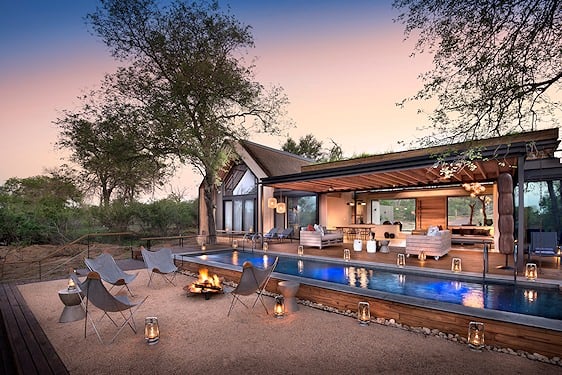
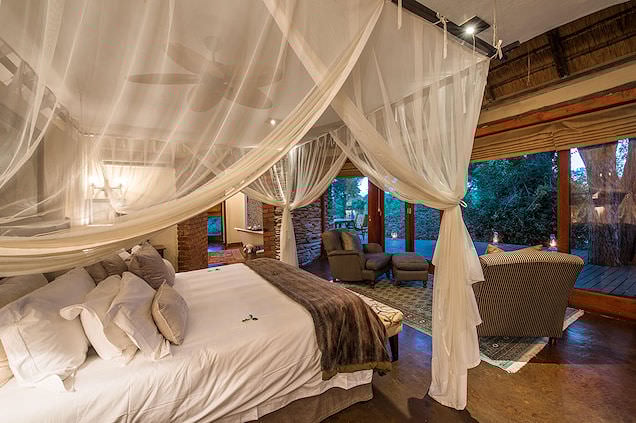
The private game reserves that form part of the Greater Kruger National Park are among the most popular luxury safari destinations in Africa. These reserves share unfenced borders with the park.
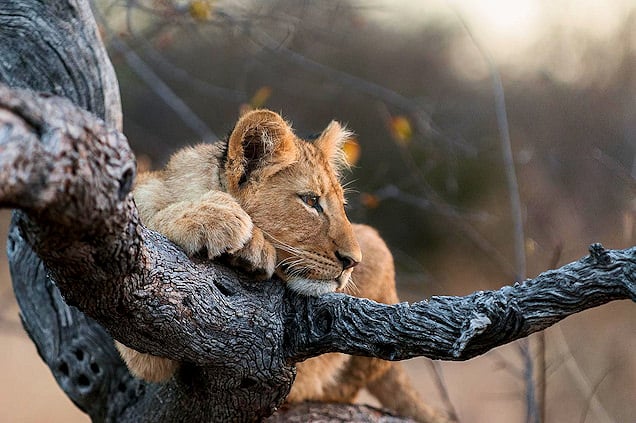
Kruger National Park Vacation Options & Travel Tips
While Kruger National Park is the main safari attraction in Mpumalanga and Limpopo, trips can be customized to include scenic tours to nearby sites such as Blyde River Canyon and God’s Window.

Tours, Safaris & Honeymoons
Browse our thoughtfully crafted safari tours.

Tailor-Made Vacation Packages
All our tours and safaris can be customized.

Travel Tips & Advice
Important information about visiting Southern Africa.
For the Enthusiast
Here you will find information about some lesser-known activities, locations, and wildlife in Kruger.
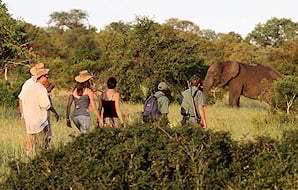
Hiking Trails
Various wilderness trails crisscross quieter regions where private vehicles are not allowed. You’ll spend a few days on foot, close to nature and learning more about the animals you encounter. Accommodation is basic but comfortable.
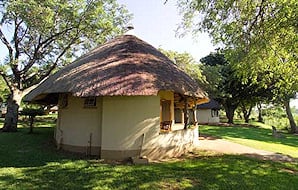
Satellite and Bushveld Camps
These rustic outposts trade luxuries for a more intimate encounter with nature. No restaurant or other facilities are available on site, so guests should arrive fully equipped.
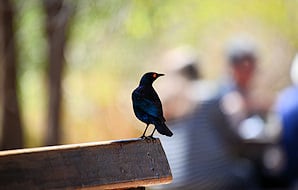
Picnic Spots
Many casual picnic spots are scattered along Kruger’s main arteries. They’re ideal for pit stops or lunch while you are out game viewing with your African Sky guide.
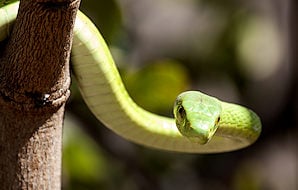
Snakes of Kruger
Kruger is home to several snake species. Though many visitors dislike these reptiles, others are fascinated by their role in the ecosystem.
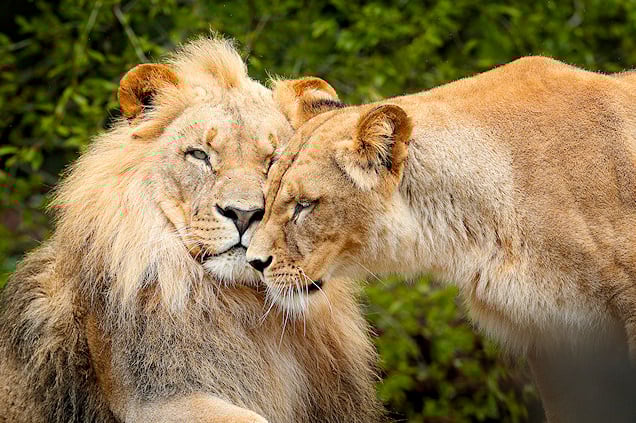
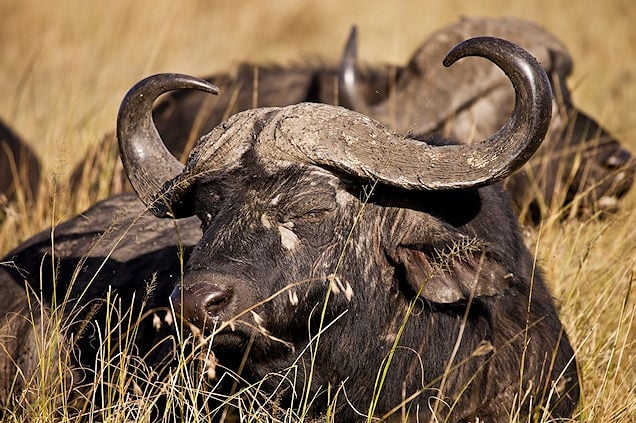
Home of the Big Five
Kruger Park is home to the Big Five and exceptional diversity of other animal species.
Other Animals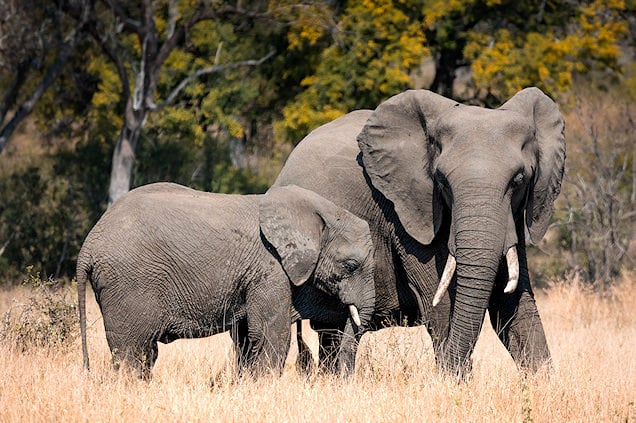
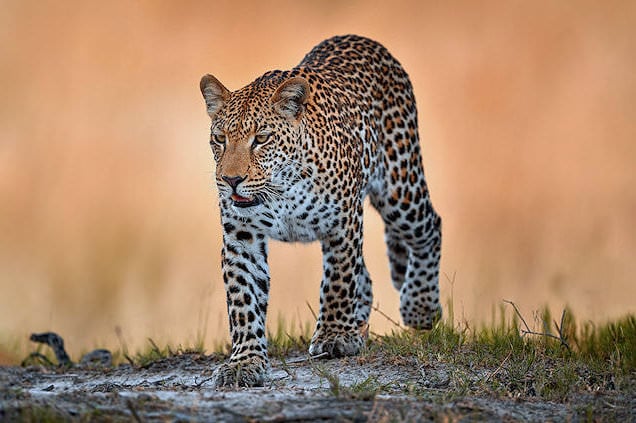
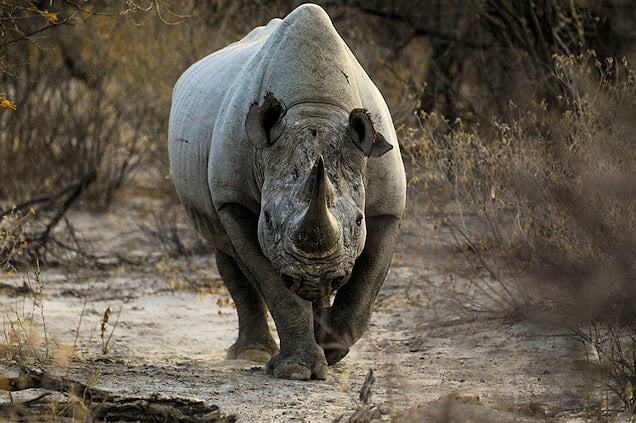
Experience the thrill of a game drive
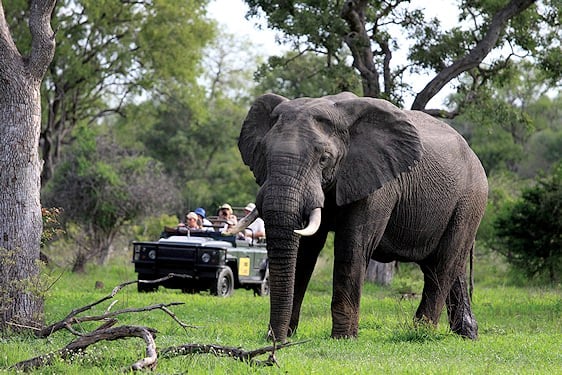
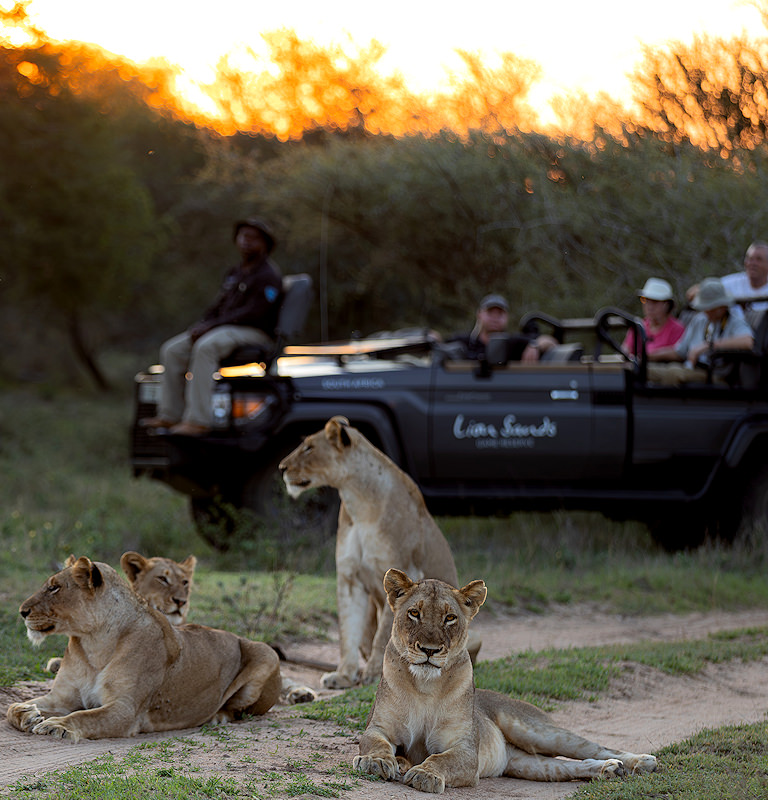
Game drives are the number one activity in Kruger National Park, and the place to witness spectacular wildlife encounters is from the seat of a safari vehicle. Guests depart at dawn, in the afternoon, or at dusk for an excursion into the wilderness lasting between two and three hours. Each drive is led by an experienced ranger, with open-sided vehicles providing maximum viewing and photographic opportunities. You’ll experience remarkably close encounters while the scents, sights, and sounds of the Lowveld fully awaken your inner explorer.
Foods To Try In Kruger
Visiting this wild corner of the continent means some adventurous dining options are available, which will appeal particularly well to meat lovers and curious eaters.
Game Meat
Game meat—including buffalo, kudu, and impala—is worth trying. It is generally on the menu at private lodges and restaurants in national park camps. Low in fat, it is also a healthy option.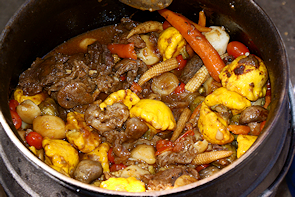
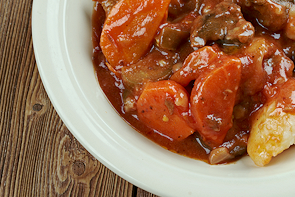
Potjiekos
A slow-cooked stew made with ingredients popular in South Africa, this delicacy is frequently found at lodges and rest-camp restaurants.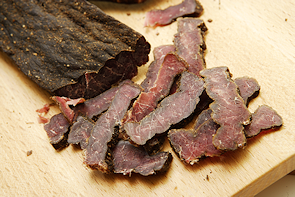
Biltong
A South African staple. It is readily available throughout Kruger and can be purchased at most shops in the national park.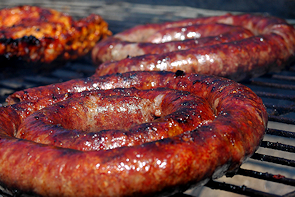
Braai
South Africans love a barbecue—or braai—especially on Heritage Day. At lodges in and around Kruger, you will almost certainly enjoy this local tradition.Mammals & Birdlife
Legendary Mammals
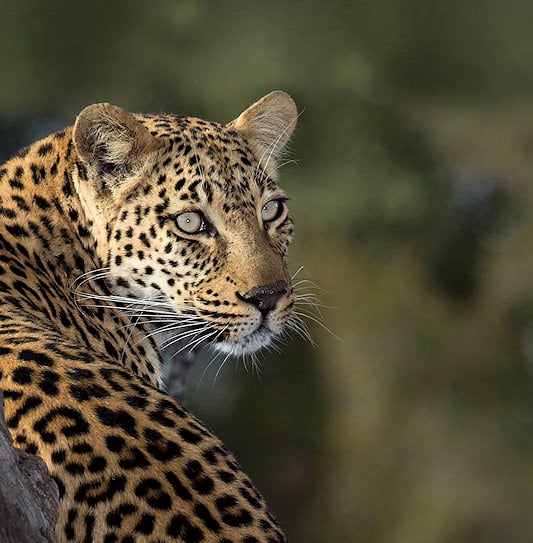
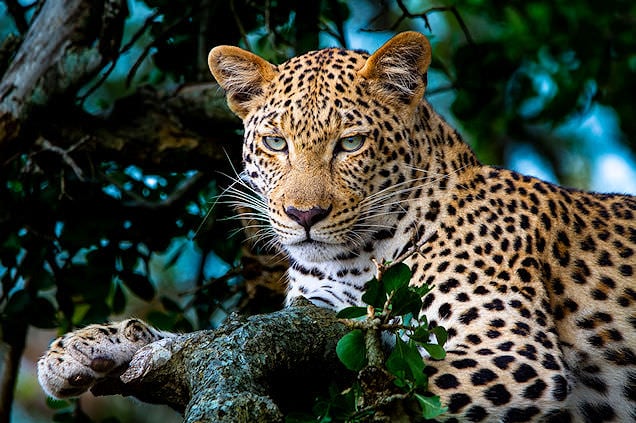
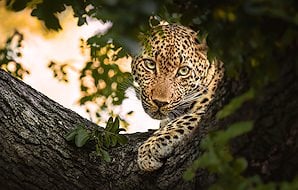
Kruger National Park is an excellent arena for close encounters of the four-legged kind. It is a haven where endangered and vulnerable species—such as African wild dog, black rhinoceros, and cheetah—still roam in their natural habitat. The big cats prosper, and the chances of seeing lion and leopard are among the best on the continent.
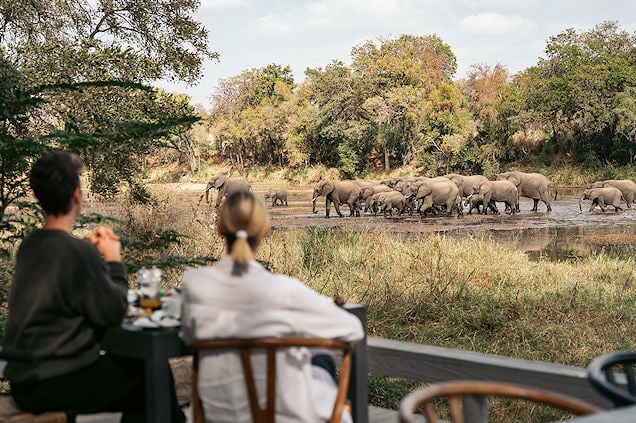
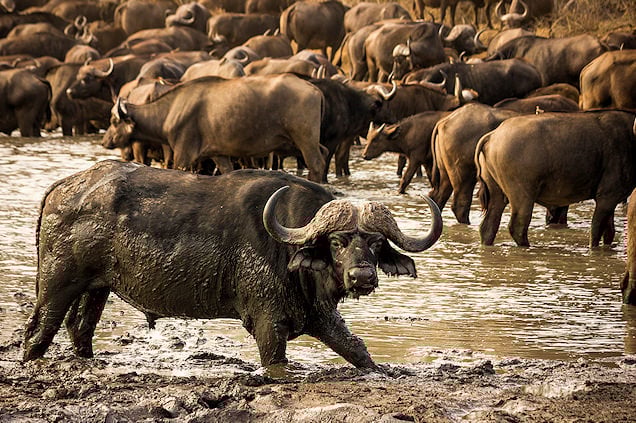
Elephant occur in abundance, and white rhino are present in smaller numbers. Large herds of African buffalo often darken the savanna as they emerge from the bush in their thousands.
Other Species
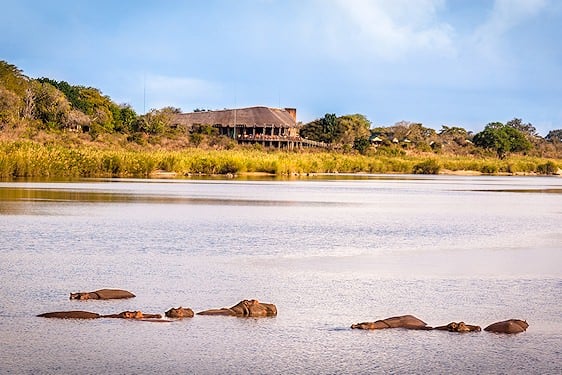
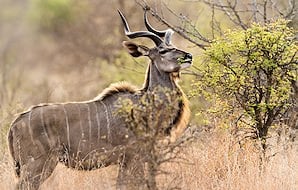
Large herbivores such as Burchell’s zebra, blue wildebeest, giraffe, kudu, waterbuck, and impala are common, while eland, nyala, and smaller antelope are less frequently seen. Lesser mammals include spotted hyena, black-backed jackal, honey badger, genet, meerkat, mongoose, warthog, bushpig, porcupine, baboon, and vervet monkey. Dams and rivers teem with hippo and crocodile.
Birdlife
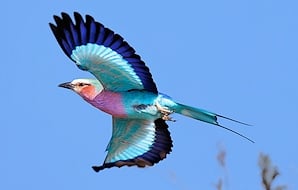
With over 500 recorded species, Kruger is a birder’s paradise. From the lilac-breasted roller to the Bateleur eagle, visitors will be charmed by the kaleidoscope of birdlife. The park’s “Big Six” birds include lappet-faced vulture, martial eagle, saddle-billed stork, kori bustard, southern ground hornbill, and the elusive Pel’s fishing owl.
History
Sabie Game Reserve
In 1898, the initiative of Jakob-Louis van Wyk, R.K. Loveday, and President Paul Kruger to establish a government wildlife park led to the proclamation of the area between the Sabie and Crocodile rivers as the Sabie Game Reserve. This area now comprises the southern third of the modern park. The first official warden, Scottish-born Major James Stevenson-Hamilton, was appointed by Sir Godfrey Lagden in 1902. Harry Wolhuter and Thomas Duke became the Sabie Game Reserve’s first rangers, posted at present-day Pretoriuskop and Lower Sabie, while Stevenson-Hamilton operated headquarters at the Sabie Bridge (present-day Skukuza).
Shingwedzi Game Reserve
In 1903, the Shingwedzi Game Reserve (now part of northern Kruger) was proclaimed and added to Stevenson-Hamilton’s responsibilities. He appointed Major A.A. Fraser as the reserve’s first head ranger in 1904.
Kruger National Park
In 1926, the National Parks Act was passed. The reserves were fused and expanded to form the Kruger National Park. The first three tourist cars accessed the park in 1927, with numbers swelling to 180 in 1928 and 850 in 1929. In the 1940s, the Greek royal family and King George II visited Kruger.
Vestiges of yesteryear survive throughout the park, from the Albasini ruins near the Phabeni gate and prospectors’ graves in the south to the site of Wolhuter’s lion attack and the Masorini archaeological site in the north. From the near-extinction of several species to the ongoing battle against poaching, Kruger and its champions have faced many challenges on the way to becoming the distinguished reserve it is today.
Terrain & Vegetation
Dimensions
Stretching 352 km north to south and averaging about 60 km east to west, the wild expanse of the Kruger National Park may almost be considered a province in its own right. Two rivers form natural borders to the park: the Limpopo River in the north and the Crocodile River in the south. Kruger’s western boundary runs across Limpopo and Mpumalanga, while Mozambique’s Limpopo National Park lies to the east.
Rivers
Several major rivers flow west to east through the park, including the Sabie, Olifants, Letaba, and Luvuvhu. These rivers replenish numerous smaller streams and dams. Rainfall varies by region from roughly 720 mm to 400 mm per year.
Vegetation
Vegetation varies across Kruger, creating a medley of settings for game sightings. Rock figs and bushwillows characterize the southwest, with kiaat and silver-cluster leaf around Pretoriuskop. The south features thorny savanna from knobthorn to scented and sticky thorn, while tamboti and marula are common. Mopane dominates from the park’s heart to the far north, with rare species and ancient baobab in the Pafuri and Punda Maria regions.
Geography
Geological Substructures
Several geological substructures underlie the park. The west is mostly granite, yielding rolling, sandy plains, with dark gabbroic intrusions occurring sporadically. Karoo sedimentary rock stretches north to south in an axial band, yielding fine sand and clay soils. The east features basalt, rising into the rhyolite base of the Lebombo Mountains toward Mozambique.
Wildlife Corridors & Hydrology
The park’s rivers, pans and floodplains act as vital wildlife corridors, guiding species between seasonal water sources and grazing grounds. The Olifants, Luvuvhu and Letaba rivers form continuous east-west passages, while the deeper Lebombo escarpment channels movement along the eastern boundary—a natural match for migratory patterns and predator-prey dynamics.
Climate Change and Ecosystem Response
Climate shifts are already affecting Kruger National Park’s ecosystem. Longer dry seasons increase fire frequency and deepen water shortages, prompting earlier migrations and habitat compression. The management now monitors tree species stress, river flow trends, and herbivore population health in real time to maintain ecological balance.
Conservation Initiatives & Fragmentation Challenges
Despite its size, the Greater Kruger National Park is not immune to fragmentation by roads, fences and human activity. Conservation efforts include removing redundant fences, rehabilitating over-used camps, and establishing cross-border cooperation with Mozambique’s Limpopo National Park. These strategies preserve wilderness integrity and allow free movement of the Big Five and other key species.