


Description
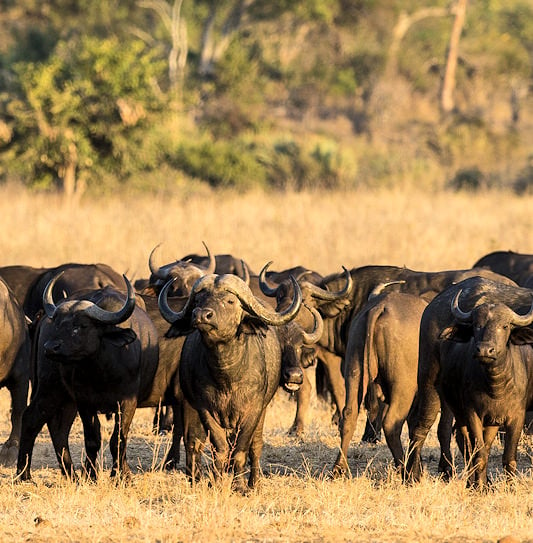
A massive wild bovine with a heavy forequarter and sweeping horns that fuse into a solid “boss” on mature bulls, the Cape buffalo shows a dark slate-brown to black hide and a broad, square muzzle. Cows also carry horns with slimmer bases. After wallowing, animals often appear caked with mud, which helps cool and deter parasites.
Buffalo are not territorial animals and large herds move within established home ranges. The biggest herds are often found in the northern mopane woodland, where watching them cross the road can be particularly rewarding. Buffalo are highly water-dependent, especially during the dry season, and are regularly found near rivers, dams and waterholes such as Sunset Dam near Lower Sabie, Nsemani Dam near Satara and Klopperfontein Dam near Punda Maria. Areas around the Sabie, Shingwedzi and Luvuvhu rivers are usually productive places to search for them.
 - Mary-Anne Finlay - Tour Guide Since 2006 (THETA Registration No: GP 2432)
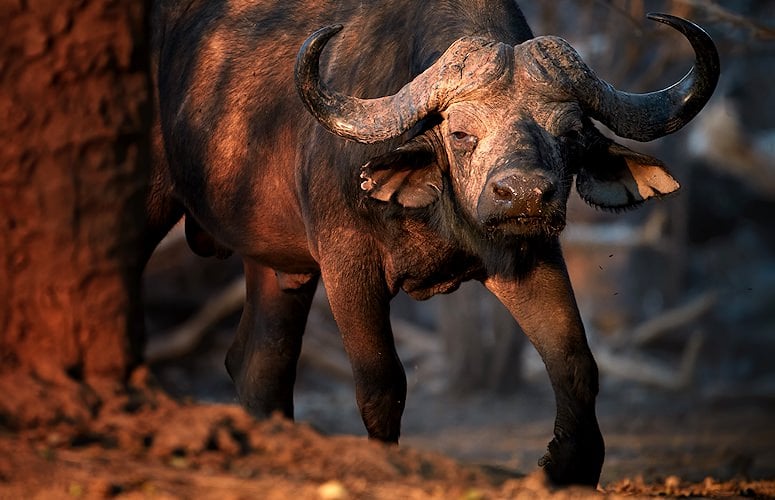
Strongholds include the Kruger National Park, the private reserves along its western boundary (such as Sabi Sand), northern Botswana’s river systems, and parts of Zimbabwe, Zambia and Tanzania. Herds can number in the hundreds—spectacular sightings when they file to water or sweep across open grassland.
Best Safari Tours for Viewing Buffalo
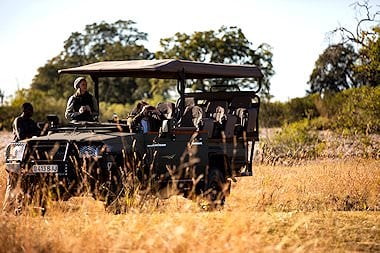
9 Day Botswana's Finest Camps Safari
Track vast herds along the Chobe and through the Okavango’s mosaic from a handpicked collection of the country’s finest lodges.
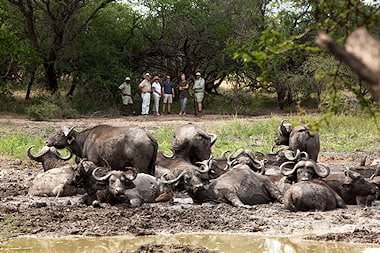
7 Day Three Area Kruger Park Safari
Experience three distinct regions of South Africa’s flagship reserve, with excellent chances of encountering large breeding herds.
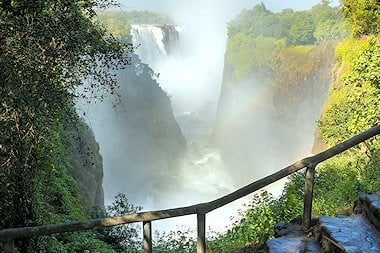
5 Day Victoria Falls & Chobe Safari
Pair Chobe’s classic riverfront game viewing with a visit to the awe-inspiring Victoria Falls (Zambian side).



Status
Widespread and locally abundant in many protected systems, with strongholds in Kruger and across northern Botswana and Zambia. Pressures include corridor fencing, disease transmission with livestock, habitat conversion and illegal hunting in some regions. In well-managed parks and private reserves, numbers are stable with large breeding herds regularly observed.

Habitat
Prefers well-grassed savanna, open woodland and floodplain mosaics with reliable surface water. In Kruger, herds are frequently encountered around central grasslands near Satara and Orpen as well as along perennial rivers—prime grazing with quick access to water and cover.

Social Organization
Large, mixed herds comprise cows, calves and subadults; older bulls often form smaller bachelor groups on the fringes. Herds are highly cohesive and track forage and water availability, aggregating into impressive numbers in peak grazing zones.
Finest Safari Areas in Africa for Encountering Buffalo
Your best bets for reliable sightings on game drives and guided walks.

Social Behavior
Daily rhythms center on grazing, ruminating and accessing water. Wallows and mud-bathing help with thermoregulation and ectoparasite control. When herds shift, a lead animal gives deep, resonant calls and the column forms up—calves well protected within the mass of adults.

Reproduction
Most calving coincides with the rains when grazing quality peaks. Gestation is roughly 11–12 months. Cows typically calve for the first time at around five years; bulls take several more years to achieve breeding dominance.

Anti-Predator Behavior
Against lion and crocodile—the primary natural predators—buffalo rely on massed defense: bunching tightly, turning horns outward and charging in coordinated bursts. Distress calls can trigger rapid, aggressive support from nearby herd members.