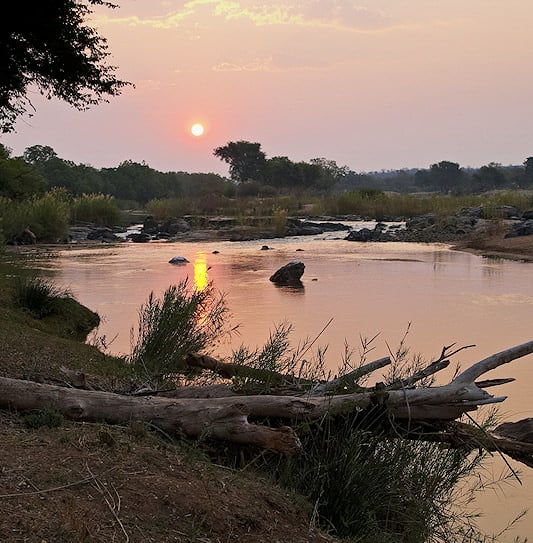
Balule Private Game Reserve
Help Me Plan- Home
- >
- African Travel
- >
- South Africa
- >
- Private Reserves
- >
- Balule Private Game Reserve
Balule Private Game Reserve Destination Guide
Balule lies along the Olifants River within the unfenced Greater Kruger, offering easy access from Hoedspruit Airport and a classic Lowveld setting. Covering about 40,000 hectares, the reserve blends intimate lodges with wild, open terrain where Big Five roam freely, rewarding guests with rich game viewing and striking river scenery.
Getting There
By Air: It is easiest when you travel to Eastgate Airport, better known as Hoedspruit Airport, situated in the eastern reaches of the Limpopo Province. Connecting flights from either Cape Town International Airport or OR Tambo International (Johannesburg) to the Hoedspruit Airport are available daily.
By Road: From the airport, you will be transferred to the reserve in your own private, air-conditioned vehicle. Although the reserve is only a short distance from the airport, it can take up to two hours to get to the different accommodation facilities within the reserve, as speed limits are enforced, especially on the gravel roads, to ensure your safety and the safety of the animals in the area.
Weather & Best Time To Visit
Visiting Balule all year round is possible, but summers in the northern part of South Africa can be hot. During the rainy summer season, there is an influx of mosquitoes, and the risk of malaria is at its highest. The sparser vegetation and prominence of animals at waterholes during the dry winter season make for easier game viewing.
If you are planning to visit the reserve to view the game, it is best to stay in the winter between May and September. Winter morning and evening game drives can be quite frosty, but day temperatures are very comfortable. Birding is excellent during the summer, between October and April, and the lush greenery makes for fantastic photography.
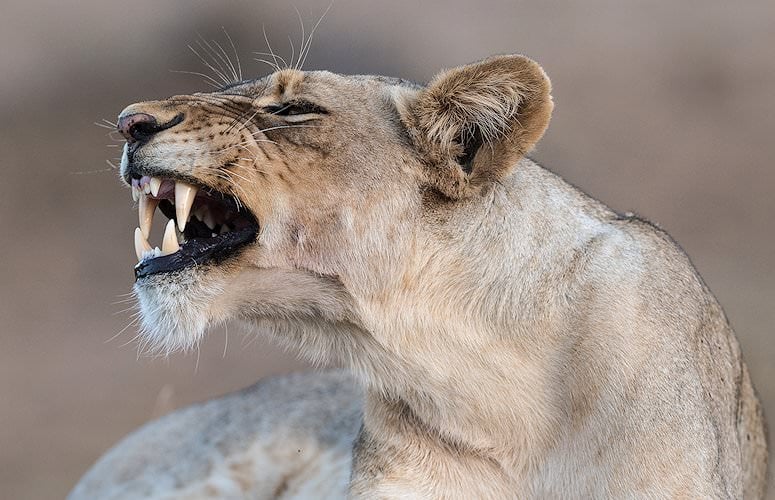
Various accommodation options are available, from lodges providing every creature comfort to affordable tented camps deep in the unspoiled bush. The game viewing in the area will bring you in contact with the lion, leopard, buffalo, rhino, and elephant in a wilderness where you can also encounter many antelope and small mammals.
Recommended African Safari Tours
This fly-in safari package visits the Okavango Delta and Linyanti in Botswana before gazing upon Victoria Falls and enjoying a safari in the Sabi Sand Private Game Reserve.
Enjoy safaris in three different countries in Southern Africa - South Africa, Botswana, and Zimbabwe.
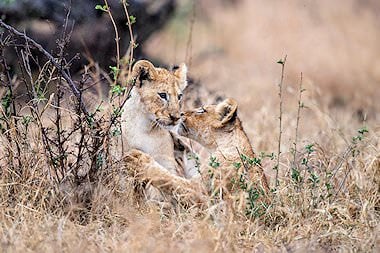
Explore Kruger National Park with an experienced African Sky guide, whose knowledge and insight will greatly enhance your safari.

Safari Lodges at Balule
We list only some of the lodges available in Balule. The properties below are those favored by African Sky in this private nature reserve that forms part of the Greater Kruger National Park.
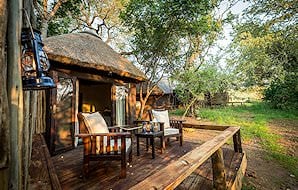
Ezulwini River Lodge
Ezulwini River Lodge offers a luxury safari experience from its setting on the banks of the Olifants River, one of the largest perennial water sources in the central part of the Kruger National Park.
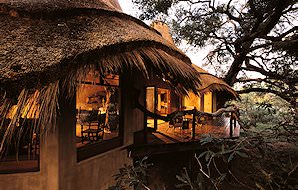
Pondoro Game Lodge
Pondoro is a family-owned lodge that offers accommodation in eight beautifully appointed, air-conditioned suites. All suites feature a jacuzzi and outdoor shower to enhance the romantic setting.
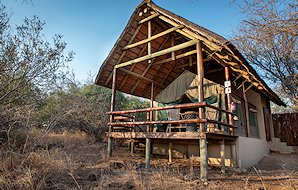
Sausage Tree Safari Camp
At Sausage Tree Safari Camp, you will experience an authentic Big Five safari in one of the most picturesque private reserves in the Greater Kruger National Park.
Reasons to visit Balule
Wildlife up close
If you want close encounters in Big Five territory, Balule delivers. Water sources that attract mammals include a dam and natural waterholes. Set along the Olifants River, one of Kruger’s great waterways, open-vehicle safaris, guided bush walks, and discreet, nature-forward lodges enable exceptional viewing while maintaining respectful distances and minimal disturbance.
Your own slice of Kruger
The reserve is unfenced from Kruger National Park, allowing animals to roam freely while visitor numbers remain limited. The 40,000 hectares that belong to Balule are reserved for private guests, creating an intimate, exclusive experience of Greater Kruger’s habitats, wildlife, and atmosphere without the congestion found in busier public areas.
Supporting conservation
Balule’s conservation ethos is evident everywhere. Abundant wildlife is supported by initiatives like the Transfrontier Balule Conservation Program, collaboration with Elephants Alive, and the renowned all-female anti-poaching unit, the Black Mamba APU. These partnerships strengthen protection, research, and community engagement, delivering measurable benefits for biodiversity.
Experiences to Savor
Savor premium game-viewing experiences when enjoying a safari at Balule. Guests will also delight in the striking scenery of the Olifants River Valley, fed by the perennial Olifants River.
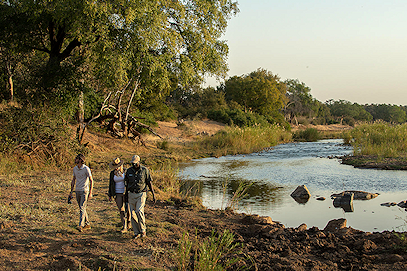
A walk on the Wild Side
Embrace guided walking safaris and quiet spaces where unspoiled nature takes center stage. Trails reveal tracks, plants, and subtle behaviors often missed from vehicles, while expansive vistas and birdsong immerse guests in a classic Lowveld landscape rich in wildlife and seasonal color.
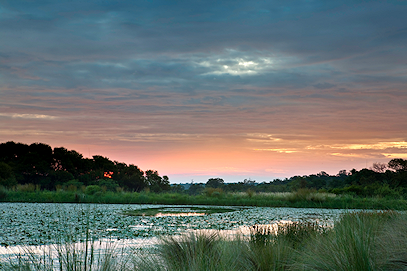
Olifants River Valley
From the Highveld of Mpumalanga, the Olifants bends north and then east through Balule below the Drakensberg. Its dependable flow attracts elephant, hippo, and crocodile and sets the stage for spectacular sunrises and sunsets, with layered ridges framing the valley’s shifting light.
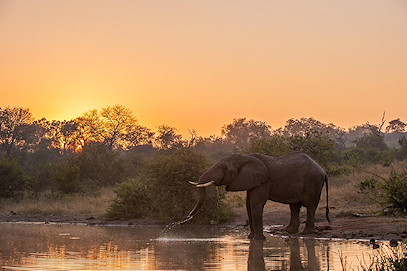
Sightings Galore
Chances are good you will see much of the Big Five, as well as many other animals and birds. Elephant, buffalo, wildebeest, giraffe, zebra, baboon, crocodile, eagle, and more may appear during drives or from camp, rewarding patient observers with memorable, ethical encounters.Useful Information
History
In the early 1990s, neighboring landowners agreed to remove internal farm fences, allowing wildlife to expand home ranges and re-establish natural movement. With grazing pressure dispersed and cooperation formalized, the area coalesced as Balule Private Nature Reserve. The emerging management model prioritized habitat restoration, coordinated anti-poaching, and low-impact tourism, laying durable foundations for sustainable protection aligned with the broader Greater Kruger conservation landscape. These steps strengthened local stewardship and long-term viability.
As ties with adjacent reserves deepened, external fences fell between Balule, Kruger, Klaserie, and Timbavati, creating a larger, permeable ecosystem. Traditional hunting gave way to photographic safaris as animals habituated to vehicles, and biodiversity flourished. Today, Balule contributes thousands of hectares to Greater Kruger and is valued for dramatic river scenery, healthy predator–prey dynamics, and collaborative conservation that safeguards wildlife for future generations. Its evolution reflects effective community, landowner, and park partnerships.
Wildlife
Balule supports classic Lowveld wildlife. Plains species like zebra, wildebeest, impala, buffalo, and giraffe gather at open grass and waterholes, while hippo and crocodile prefer the Olifants River. Abundant prey sustains lion, leopard, and other predator, often trailed by hyena. Dedicated anti-poaching, including collaboration with Elephants Alive and the award-winning Black Mamba APU, helps secure rhino, wild dog, and cheetah, strengthening populations across the unfenced Greater Kruger landscape.
Birding excels, with more than 260 species recorded. River margins host stork and heron, and raptors such as fish eagle and hawk ride thermals. After dark, guided drives may reveal civet, owl, bushbaby, aardvark, and elusive leopard. Responsible guiding limits vehicles and protects animal welfare, while seasonal movements and water availability shape viewing, with peak concentrations around winter river pools and dry-season pans that attract varied assemblages.
Vegetation & Terrain
Balule lies in the subtropical Lowveld, dominated by mixed bushveld and riverine corridors along the Olifants. Tall summer grasses interlace with woodland featuring fever tree, mopane, knob thorn, marula, and leadwood. The broad river adds moisture and nutrients, supporting gallery forest and lush bankside thicket. This mosaic of habitats underpins high biodiversity, with hundreds of tree and plant species and reliable browse and grazing through changing seasons.
During the dry winter months, scattered pools and riparian shade concentrate wildlife at predictable points, ideal for photography and relaxed viewing. Conservation programs address erosion control, removal of invasive plants, and restoration of indigenous flora such as apple-leaf and sickle bush. As spring builds, flowers, pods, and fruit draw pollinator and migratory bird before summer thunderstorms rejuvenate the veld and the Olifants River Valley’s vistas glow at sunrise and sunset.
Activities
Open-vehicle game drives explore diverse habitats by day and, where permitted, after dark, maximizing opportunities to find the Big Five and many smaller species. Guided bush walks with qualified, armed rangers focus on tracks, scats, plants, and subtle behaviors often missed from vehicles, deepening understanding of ecology and animal signs while maintaining strict safety and ethical standards at all times for guests and wildlife alike.
Beyond core safari activities, guests can pursue birding, landscape photography, and stargazing under exceptionally clear winter skies. Nearby options include hot-air ballooning, horseback trails, and visits to centers like Khamai Reptile Park, while white-water rafting is offered seasonally. Lodge teams tailor daily plans around conditions, emphasizing unhurried pacing, limited vehicle density at sightings, and respectful viewing that prioritizes animal welfare and authentic experiences. These choices allow travelers to balance adventure with restorative downtime between drives.