• USD
  • EUR
  • GBP
  • AUD
  • CAD
  • ZAR

South Africa's Manyeleti Private Game Reserve

Help Me Plan

Manyeleti Private Game Reserve Destination Guide

Manyeleti Reserve forms part of the vast Greater Kruger wilderness, wedged between Sabi Sand and Timbavati along Kruger’s western boundary. Unfenced borders allow natural wildlife movement, while minimal development keeps sightings uncrowded and authentic. Easy access from Hoedspruit, Skukuza, and KMIA pairs with intimate lodges, rewarding guests with classic Lowveld scenery and reliable game viewing.

Getting There

By Air: Guests can fly to Hoedspruit, Skukuza, or Kruger Mpumalanga International Airport. From any of these airports, guests are transferred to their lodges in a private air-conditioned vehicle. Manyeleti is most accessible from Hoedspruit Airport.

By Road: The six-hour drive from Johannesburg is quite extensive. Guests traveling with African Sky typically fly to the nearest airport. If you are visiting Manyeleti after another destination in the area, you will be transferred via a private, air-conditioned vehicle.

Weather & Best Time To Visit

Wildlife viewing is at its best during the dry winter months. The vegetation is much sparser than during the rainy summer season, and the animals flock to the watering holes. It gets cold in the evenings and early mornings in the winter, but the days are pretty fair, the temperatures are ideal for bush walks, and clear skies make for incredible stargazing.

The peak summer months from December to February can be scorching and humid, but the lush green vegetation is beautiful. Spring is a great time for birders, as the migratory birds arrive in the reserve.
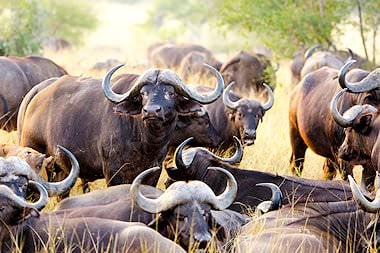
The reserve offers nature lovers the opportunity to view more than 300 bird species, the Big Five, and many other mammal species. It is a wonderfully wild haven easily accessible from Eastgate Airport in Hoedspruit, with a drive of around an hour. The entrance to Manyeleti is adjacent to Kruger's Orpen gate. The accommodations on offer range from moderately priced tented camps to luxury lodges. It is an excellent option for those wishing to enjoy a lodge safari at a reasonable price.

Province
Mpumalanga
Size
230 km²
Bird species
+/- 300
Established
1967
Famous Feature
Abundant water sources

Recommended African Safari Tours

16 Days From: USD 9,985 - 13,871 pp Luxury Code: T06

This luxury South African travel experience combines private tours with safaris at some of the country's finest private game lodges.
14 Days From: USD 12,994 - 15,464 pp Exclusive Top-End Code: T02

This ten-day privately guided tour explores the rich diversity of national parks, wildlife, and exciting cultures in the northeastern part of South Africa.
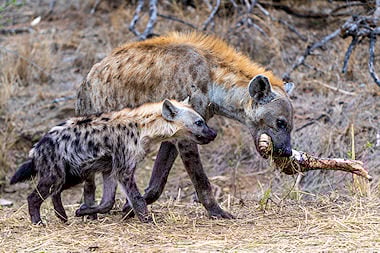
10 Days From: USD 2,881 - 4,686 pp Personal Code: T16

A privately guided tour that explores the rich diversity of national parks, wildlife, as well as interesting cultures in the northeastern part of South Africa.


Safari Lodges at Manyeleti

African Sky recommends the following lodges. These bushveld getaways are the finest available in this one of the reserves that make up the Greater Kruger National Park.
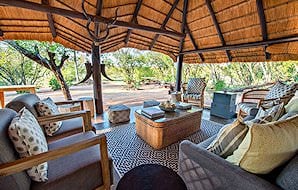
Pungwe Camp

At Pungwe Camp, guests are accommodated in meru-style safari tents. The focus is on immersion in the wilderness and authentic safari experiences in an area of the Kruger National Park with a very low visitor density.
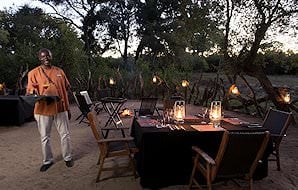
Tintswalo Safari Lodge

Each of the seven individually decorated suites at Tintswalo is built on the banks of a seasonal river. All suites have private decks with plunge pools, ideal for relaxing between safari adventures.

Reasons to visit Manyeleti

1

Exclusivity in the Bush

With a limited number of intimate lodges, luxury, and personal attention, your safari will be a genuinely exclusive adventure. The low density of tourists in the area means your game drives will not be interrupted by others, and it will be an exclusive affair between you and mother nature.

2

Finer Detail

For those interested in the finer details of the African bushveld, Manyeleti offers flora identification and footprint tracking by highly skilled rangers who effectively communicate their intimate knowledge and understanding. It brings to life the complexities of the ecosystem and the behavior of those who inhabit it.

3

Variety

At Manyeleti, you can be sure that you will experience different things every day. Game drives are often to other locations daily in search of specific species. Various relaxing and rejuvenating activities are available at the lodges. Even dinner will not always be served in the same locale, alternating between the Boma and camp dining area.

Start Planning

Experiences to Savor

Barely touched by development, you'll undoubtedly savor the exclusivity of a safari in the "place of stars." The experience is tangibly authentic.
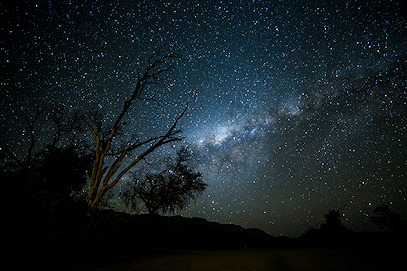
Starstruck

True to its name, "the place of the stars" is one aspect of the reserve you will cherish. The glittering stars shine brighter here. Relax on the main lodge deck or the porch of your safari suite with the sounds of an African night beneath a star-studded sky.
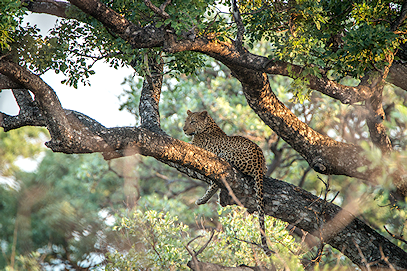
Secret Safari

Manyeleti is far from mainstream tourist areas and one of the few places in Greater Kruger where you can enjoy an uncrowded safari in a pristine, unscathed natural environment. It is a place to truly break away and experience nature in all her glory.
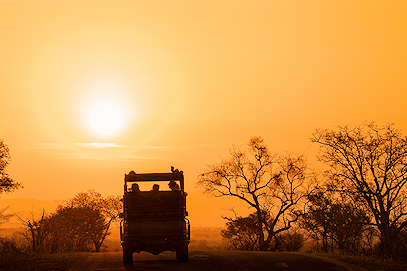
Skilled Rangers

Rangers at lodges are experts in tracking wildlife rather than relying solely on called-in sightings from other properties. Low lodge density ensures a more authentic safari focused on intimate wildlife encounters and thoughtful positioning at sightings.

Useful Information

History

Manyeleti’s modern story is rooted in community stewardship and minimal infrastructure that preserved a largely untouched character. Bordering Kruger, Sabi Sand, and Timbavati, the area joined the unfenced Greater Kruger landscape to restore seasonal movement and genetic flow. Cooperative management emphasized low vehicle densities, careful zoning, and photographic tourism, laying foundations for sustainable protection and guest experiences that respect wildlife behavior and sensitive habitats. Partnerships with neighboring reserves and local stakeholders strengthened accountability over time.

During apartheid, access to nature was restricted and development lagged, leaving Manyeleti comparatively undeveloped. Paradoxically, the light footprint helped retain wild character and quiet roads. As responsible tourism grew, basic facilities were upgraded while preserving low-impact principles. Today, management prioritizes habitat restoration, erosion control, and anti-poaching collaboration, balancing visitor access with conservation needs so the reserve remains tranquil, biodiverse, and culturally significant to surrounding communities.

Wildlife

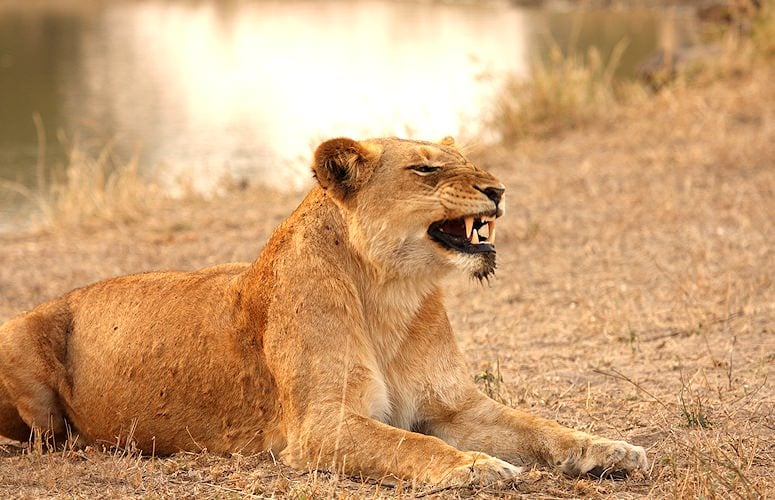
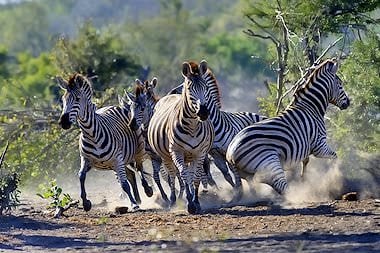
Manyeleti supports classic Lowveld assemblages. Plains species like zebra, blue wildebeest, impala, kudu, and nyala share open grass and mopane thicket, while hippo and crocodile favor permanent water. Abundant prey sustains lion and leopard, often shadowed by hyena. Guides manage vehicle density and angles thoughtfully, enabling unhurried, ethical encounters that protect animal welfare and reward patient observation across seasons, particularly around dry-season pans and reliable river pools.

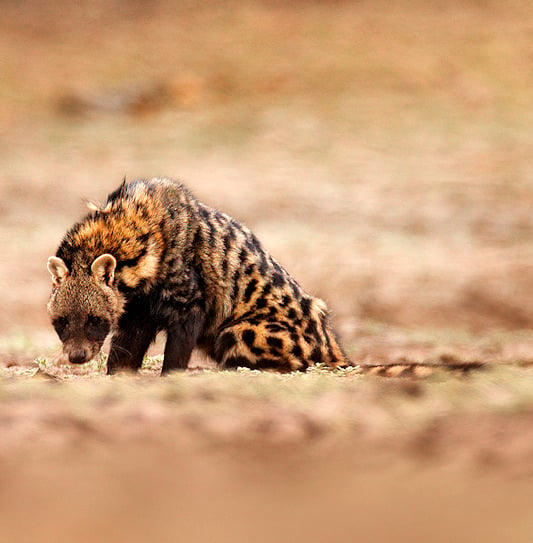
Birding excels, with seasonal migrant and resident raptor, kingfisher, and roller active along waterways and woodland edges. Ground hornbill conservation and monitoring yield frequent, memorable sightings. After dark, guided drives may reveal civet, owl, bushbaby, and occasionally aardvark. With luck, guests might encounter cheetah, wild dog, or rare sable antelope. Two jackal species—black-backed jackal and side-striped jackal—sometimes overlap locally despite niche competition, offering fascinating behavioral contrasts.

Vegetation & Terrain

The reserve is situated within the savanna biome, a mosaic of open grass, mixed woodland, and riverine thicket shaped by rainfall and soils. Tall summer grasses interweave with fever tree, knob thorn, marula, mopane, and leadwood. Along drainage lines, gallery forest and dense shrub provide shade, forage, and nesting sites. This structural variety underpins high biodiversity, supporting browsers and grazers and buffering wildlife during seasonal shifts in temperature, water, and food availability.

The reserve’s terrain dries noticeably in winter and greens rapidly after early summer storms. Water sources such as the central lake and the N’waswitsontso and Pungwe rivers concentrate wildlife, especially during the dry months, creating reliable viewing points for photography. Management efforts address erosion, remove invasive plants, and encourage indigenous species recovery, keeping roads low-impact while maintaining access to key habitats and scenic viewpoints across the gently undulating landscape.

Activities

If you want an exclusive Big Five safari balanced with quiet, restorative time in nature, Manyeleti is for you. Open 4x4 game drives operate in the cool hours of morning and late afternoon, with limited night drives where permitted. Qualified, armed guides interpret tracks, behavior, and ecology while maintaining ethical distances. Bush walks at select lodges deepen engagement with plants and subtle signs often missed from vehicles.

Between drives, relax at the pool, bird hides, or shady decks, and enjoy stargazing under exceptionally clear winter skies—the name Manyeleti means “place of stars.” Lodges typically offer small libraries and quiet lounges, while spa treatments or photographic tuition may be available. African Sky coordinates transfers and pacing, emphasizing low lodge density, respectful viewing, and unhurried itineraries tailored to seasonal conditions and personal interests.

Last Updated: November 21, 2025 Curated By: Riaan Viljoen