• USD
  • EUR
  • GBP
  • AUD
  • CAD
  • ZAR

South Africa's uMkhuze Game Reserve

Help Me Plan

uMkhuze Game Reserve Destination Guide

uMkhuze is a gem in KwaZulu-Natal’s lake region, defined by striking contrasts—from the Lebombo Mountains to fig and sand forests, rivers, and open savanna. Despite its modest size, the reserve supports high biodiversity, superb hides, and rewarding year-round viewing, especially for birders, with reliable mammal sightings at waterholes and pans.

Getting There

By Air: The closest airport to uMkhuze is Richards Bay. There are daily flights from Johannesburg and Durban. When traveling with African Sky, your guide meets you at the airport; a short drive brings you to uMkhuzeor nearby private reserves.

By Road: It is about 500 km from Johannesburg to uMkhuze and roughly 350 km from Durban. Our safaris and tours typically overnight at other destinations before visiting uMkhuze. In all cases, you travel in a private, air-conditioned vehicle.

Weather & Best Time To Visit

uMkhuze has subtropical weather—hot, humid summers and pleasant winter days with chilly evenings. April to September is best if game viewing is your focus. Dedicated birders often prefer summer for migrants and breeding activity, accepting the heat to maximize species.
The reserve protects more than 70 mammal species and about 420 bird species. Mammals include large herds of impala, white and black rhino, giraffe, nyala, blue wildebeest, kudu, and warthog. Lucky visitors may spot cheetah, hyena, and leopard. Nsumo Pan—an expansive natural “bird bath”—is revered by birders worldwide.

Size
40,000 hectares
Established
1912
Province
KwaZulu-Natal
Mammal Species
74
Bird Species
420
Big Five
Yes
Sand Forest
Yes
Nsumo Pan
Key birding site

Reasons to visit uMkhuze Game Reserve

1

Landscape

The varied landscape at uMkhuze creates distinctive opportunities for game viewing and photography—from the Lebombo Mountains to densely wooded thickets and open savanna. Extensive wetlands shelter large hippo and crocodile populations.

2

Proximity to Other Parks

uMkhuze sits amid numerous protected areas easily combined on one trip: Hluhluwe–iMfolozi, iSimangaliso Wetland Park, Lake Sibaya, and the turtle-nesting sites of Sodwana Bay and Kosi Bay.

3

Comfortable Accommodations

Mantuma Camp and Nhlonhlela offer comfortable en-suite stays—from self-catering tented options to chalets and thatched cottages. Multiple campsites are available in uMkhuze, with a small shop and filling station at Mantuma.

Start Planning

Experiences to Savor at uMkhuze Game Reserve

Experiences at uMkhuze are nature-focused, with several ways to engage the wildlife and scenery.
Birding

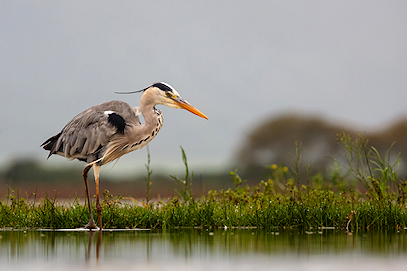
uMkhuze is one of South Africa’s top birding destinations. Four hides near waterholes and wetlands are ideal for observing rich birdlife. The Fig Forest in the south is another hotspot when trees are in fruit.
High Animal Concentrations

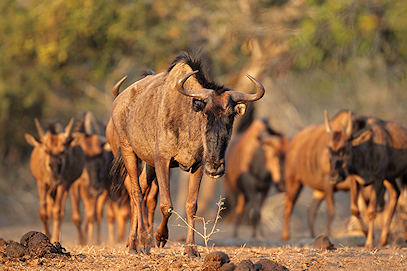
Early mornings and late afternoons are best for game drives and bush walks. Fertile soils and reliable water support high mammal densities, making uMkhuze excellent for sightings.
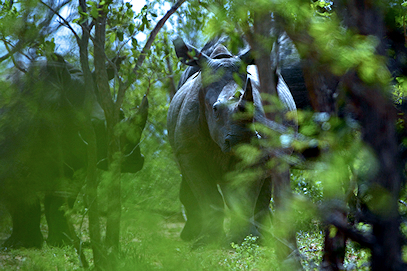
Rhino Encounters

Both black and white rhino occur throughout the reserve. White rhino are often seen in open savanna, while black rhino prefer dense thickets—always a memorable sighting.

Useful Information

History

uMkhuze Game Reserve was officially proclaimed in 1912. From 1922, game guards were stationed here reporting to Vaughan Kirby, the first appointed game conservator of Zululand. Illegal settlements appeared in the 1920s, and the reserve suffered significant poaching until stricter protections were implemented in the early 1970s. Poaching pressure, while reduced, has not been eradicated.

Wildlife

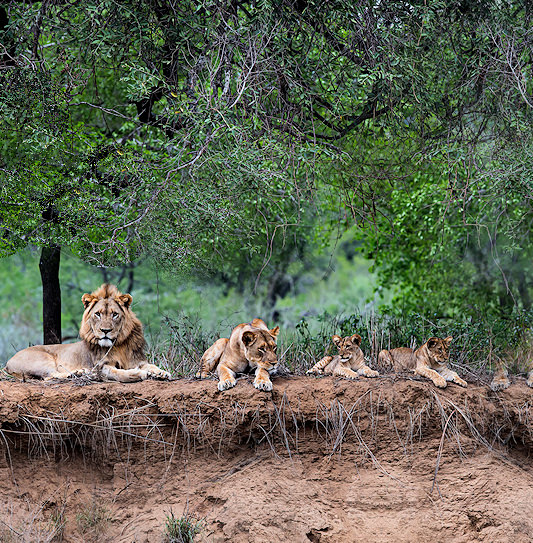
uMkhuze is a reserve where you can observe the Big Five in natural surroundings. Fertile soils and diverse vegetation support high mammal densities. Highlights include encounters with hippo and crocodile, black and white rhino, elephant, leopard, and lion. You might also encounter rarities like cheetah, wild dog, hyena, and the tiny suni antelope. Common antelope include impala, kudu, nyala, klipspringer, common and mountain reedbuck, waterbuck, zebra, blue wildebeest, and bushbuck.

It is one of South Africa’s top birdwatching destinations, with around 420 recorded species. Excellent hides beside water sources cater to avid birders.

Vegetation & Terrain

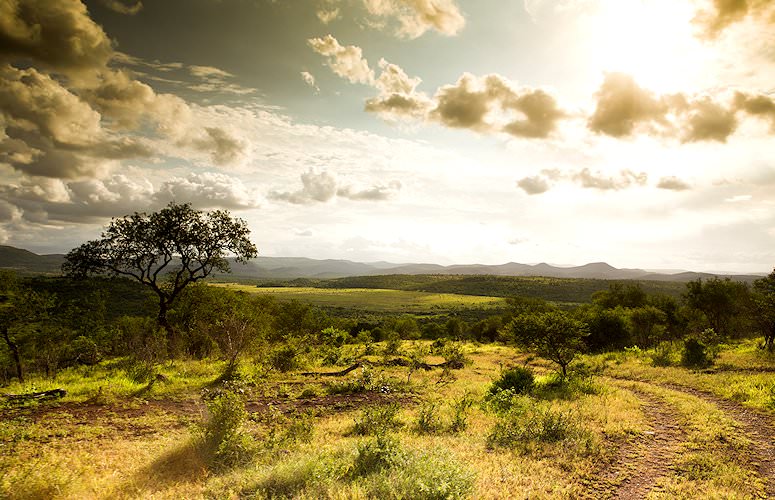
uMkhuze compacts a remarkable range of ecosystems into a relatively small area. The reserve spans mountainous terrain and open savanna in the west, while sand forest, riverine forest, and extensive wetlands add to habitat diversity.

Activities

Core activities focus on wildlife: 4x4 game drives, bush walks, and birdwatching from well-constructed hides. You can also join a cultural village tour, take a guided walking safari, or visit regional reptile facilities. Nearby options include tiger fishing on Jozini Dam; uMkhuze is also within reach of Ithala, Hluhluwe–iMfolozi, and the diving sites at Sodwana.

Last Updated: November 21, 2025 Curated By: Riaan Viljoen