


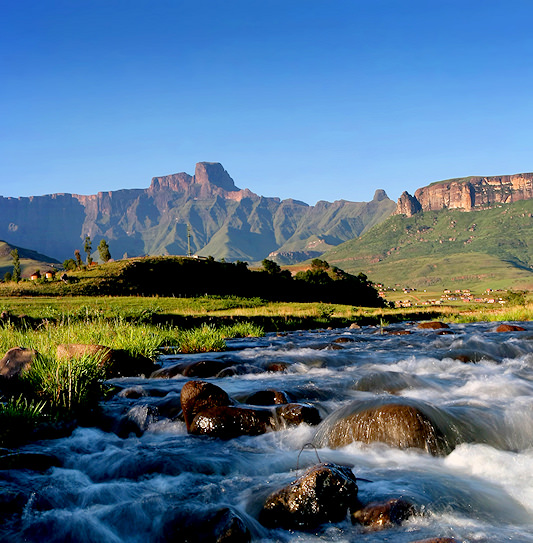
KwaZulu-Natal Travel and Vacations
Help Me PlanTop Travel Destinations in KwaZulu-Natal
KwaZulu-Natal delights travelers with sandy beaches, Big Five safari areas, and some of South Africa’s highest mountain peaks. Distances between highlights are manageable, enabling varied itineraries.
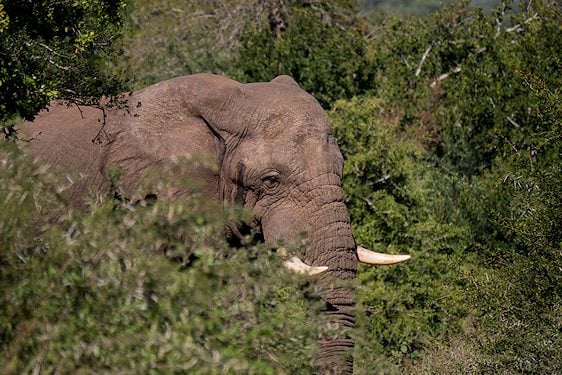
Hluhluwe–iMfolozi
KwaZulu-Natal’s signature wildlife area, proclaimed in 1895, helped recover the white rhino from the brink of extinction and remains a leader in conservation.
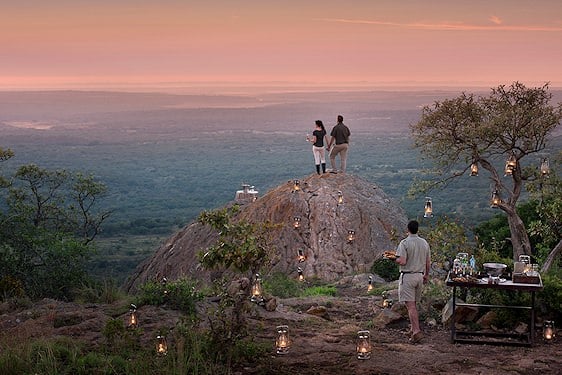
Phinda Game Reserve
Luxury Big Five safaris in a mosaic of ecosystems, with open 4×4 game drives and a reputation for excellent guiding.
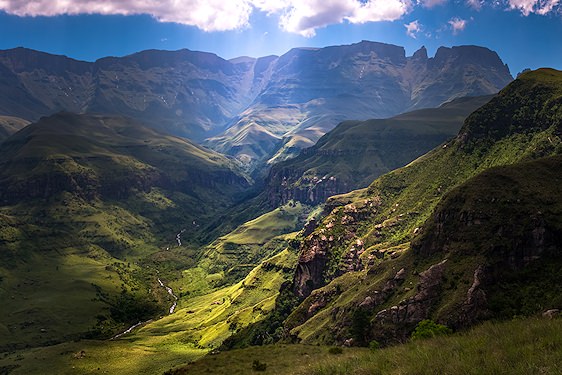
uKhahlamba-Drakensberg
Hikers and rock-art fans are drawn to this UNESCO-listed range for its scenery, clear mountain air, and classic country pursuits.
KwaZulu-Natal Vacation Options & Travel Tips
KwaZulu-Natal stretches from the Drakensberg Mountains through rolling, history-rich hills to a wild coastline with a subtropical climate.

Tours, Safaris & Honeymoons
Browse our thoughtfully crafted safari tours.

Tailor-Made Vacation Packages
All our tours and safaris can be customized.

Travel Tips & Advice
Important information about visiting Southern Africa.
Recommended Hotels and Lodges
From beachfront hotels to luxurious lodges set in pristine Big Five safari areas, KwaZulu-Natal offers something for everyone. We recommend the following properties.
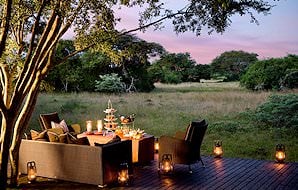
Phinda Forest Lodge
A sand forest surrounds the luxurious Phinda Forest Lodge in KwaZulu-Natal’s premier private Big Five reserve. Guest accommodation consists of sixteen glass-walled chalets.
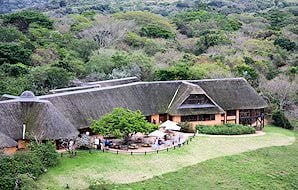
Hilltop Camp
The main national-park camp in Hluhluwe–iMfolozi offers comfortable accommodation and expansive views over a wilderness once hunted by Zulu kings.
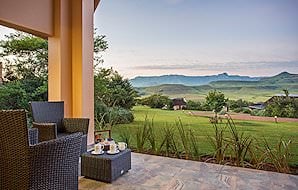
Montusi Mountain Lodge
Sixteen beautifully appointed suites offer some of the best accommodation in the Northern Drakensberg, famed for natural splendor and outdoor pursuits.
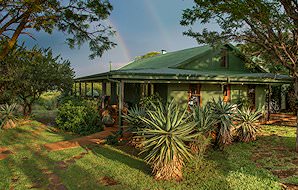
Three Tree Hill
Three Tree Hill Lodge overlooks Spioenkop Game Reserve in the foothills of the Drakensberg. It offers excellent service and a base for battlefield exploration.
KwaZulu-Natal Travel Overview
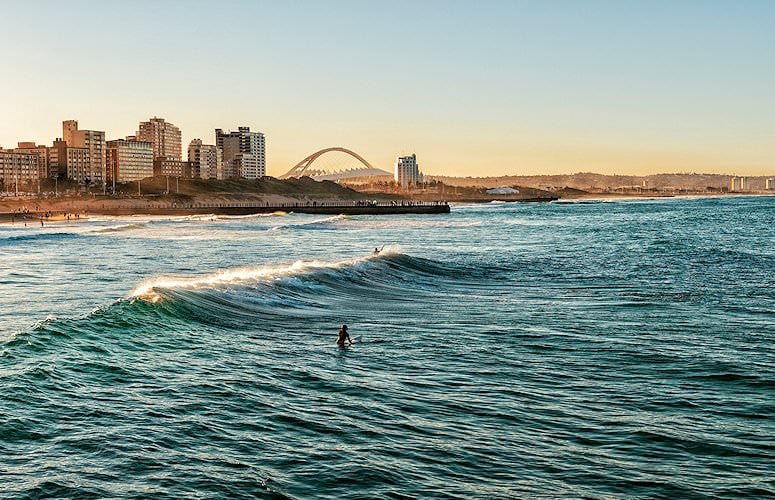
KwaZulu-Natal offers diverse attractions within close proximity: top golf courses, some of South Africa’s oldest reserves with excellent game viewing, and a long subtropical coastline washed by the warm Indian Ocean.
The province is rich in historic sites spanning the Anglo-Zulu and Anglo-Boer wars. From Blood River to Isandlwana and Rorke’s Drift, history lovers will find KwaZulu-Natal an engrossing destination.
Foods to try when visiting KwaZulu-Natal
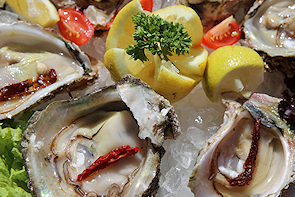
Local Seafood
Fresh fare from the Indian Ocean is available throughout the province. Kob, galjoen, and yellowfin tuna are among the delicious line-fish options, and shellfish lovers are well catered for.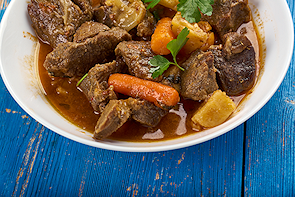
Curries
Durban’s large Indian community brought classic recipes from across India, adapted over time with local flavors to create a distinctive curry tradition.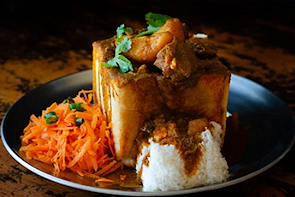
Bunny Chow
A Durban original: half a loaf hollowed out and filled with curry—traditionally vegetarian bean curry, with lamb versions also popular.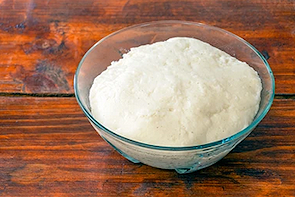
Phutu
A staple of Zulu cuisine, phutu is a coarse porridge made from maize meal, salt, and water, slow-cooked with limited water for a crumbly texture and served with meat or milk.National Parks and Private Game Reserves in KwaZulu-Natal
KwaZulu-Natal’s varied geographic regions are protected in several national parks and private game reserves. Notable examples include:
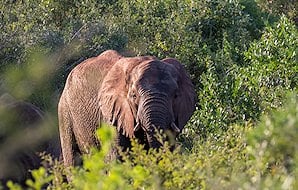
Hluhluwe–iMfolozi Game Reserve
Established in 1895, this state-run park is Africa’s oldest proclaimed game reserve and has been pivotal in the recovery of the southern white rhinoceros.
Today it protects the Big Five and a broad diversity of mammals and birds. Historic sites at Hilltop Camp reflect its past as a royal hunting ground for Zulu kings.
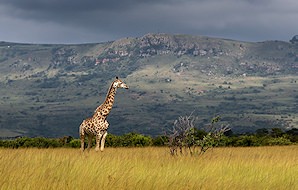
Ithala Game Reserve
Ithala Game Reserve is one of South Africa’s younger reserves, formed from farm acquisitions in the 1970s. Rugged, mountainous terrain with dramatic altitude changes hosts rich birdlife—eagles, vultures, and large species such as the secretary bird. Large herbivores like giraffe and browsers favor the treetops that cloak its slopes.
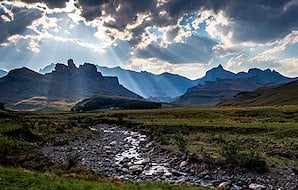
uKhahlamba-Drakensberg Park
The great Drakensberg mountain range, forming part of the Maloti-Drakensberg Park World Heritage Site, is renowned for spectacular scenery and San rock art. Species like the klipspringer and reedbuck add to the area’s natural splendor.
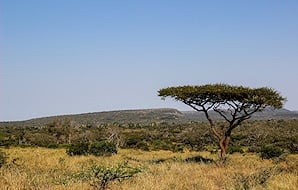
uMkhuze Game Reserve
uMkhuze’s diverse habitats support a wide range of species and form part of the greater iSimangaliso Wetland Park. Its coastal proximity brings higher rainfall and productive wetlands.
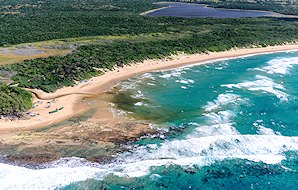
iSimangaliso Wetland Park
iSimangaliso includes Lake St Lucia, extensive estuaries, and a protected coastline. Inscribed as a UNESCO World Heritage Site in 1999, it became a transboundary site with Maputo National Park in 2025.
Famous Battlefields in KwaZulu-Natal
KwaZulu-Natal hosts notable battlefields from the Anglo-Zulu and Anglo-Boer wars. Highlights include:
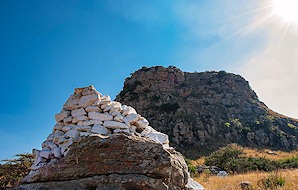
Isandlwana
On 22 January 1879, roughly 20,000 Zulu warriors defeated a portion of the British force at Isandlwana in a remarkable early battle of the Anglo-Zulu War.
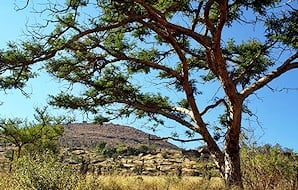
Rorke’s Drift
The same day, a British garrison of around 150 men withstood repeated attacks by 3,000–4,000 Zulu soldiers at the mission station of Rorke’s Drift.
Spioenkop
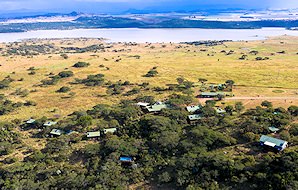
Between 23 and 24 January 1900, during the Second Boer War, Boer forces inflicted heavy losses on the British at Spioenkop near the Tugela River.
Blood River
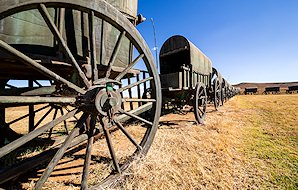
On 16 December 1838, approximately 470 Voortrekkers under Andries Pretorius defeated a Zulu force of many thousands at the Ncome (Blood) River.
History
The province of KwaZulu-Natal has a layered history shaped by indigenous kingdoms, colonial settlement, and modern South Africa. British colonists established sugarcane plantations worked by indentured laborers from India, with the region proclaimed a British colony in 1843.
Control shifted repeatedly through conflict—the Zulu kingdom, British imperial rule, the Boer republics, the apartheid era (1948–1994), and, ultimately, democratic South Africa. The province’s name combines the former homeland “KwaZulu” and “Natal,” reflecting its cultural diversity.