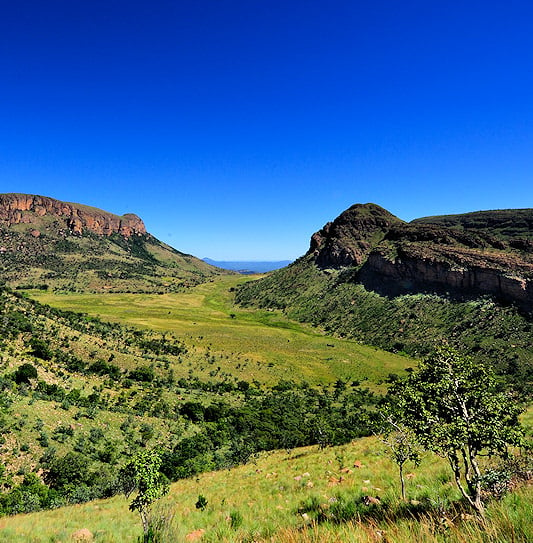
South Africa's Marakele National Park
Help Me Plan- Home
- >
- African Travel
- >
- South Africa
- >
- National Parks
- >
- Marakele National Park
Marakele National Park Destination Guide
The Tswana name “Marakele” means “place of sanctuary.” Set in Limpopo’s Waterberg, the park spans rugged mountains and deep, lush valleys where cycads, ferns, and cedar trees thrive. Just 2.5 hours from Johannesburg, it blends easy access with wild appeal, offering Big Five viewing, rich birdlife, and peaceful, malaria-free safaris.
Getting There
By Air: Guests typically start at OR Tambo International in Johannesburg. On arrival, you are assisted with a charter flight to a private landing strip in the park. If Marakele is not your first stop, you may be flown via OR Tambo or transferred by road, depending on your prior destination.
By Road: Marakele is approximately 250 km from Johannesburg, and the drive can take up to three and a half hours. If you prefer to travel overland or are en route from another destination, you will be transported in a private, air-conditioned vehicle driven by an African Sky guide.
Weather & Best Time To Visit
The best time for wildlife viewing is the dry season (May to September) when vegetation thins and animals concentrate at remaining water sources. Winter evenings are cold—pack warm layers for early drives. Dust can cause hazy conditions.
From October to April, seasonal rains transform the park into lush green bush. Sightings can be more challenging than in winter, but it is the best time for birding and newborn animal sightings. Peak summer (December to February) can be uncomfortably hot.
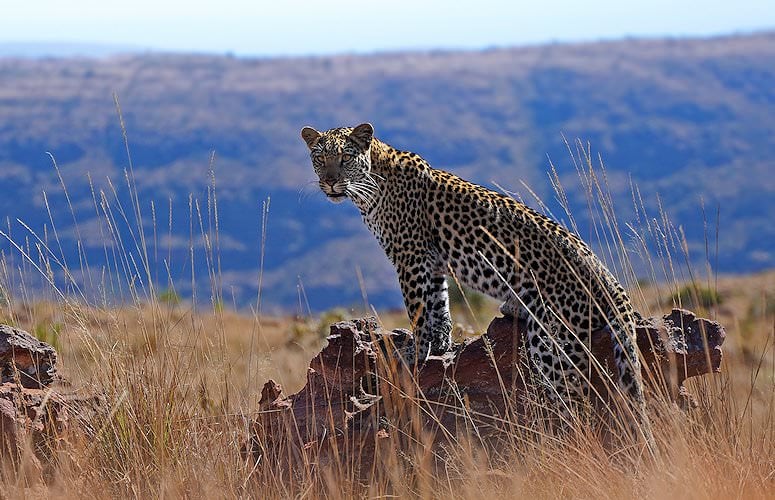
Lion, elephant, and rhino are among the larger mammals that inhabit Marakele National Park. The park hosts the largest population of breeding pairs of Cape vulture in the world—about 800 individuals. Visitors will appreciate that rest camps are unfenced, allowing the animals to move freely. Access to the park is via the town of Thabazimbi.
Reasons to visit Marakele National Park
The Waterberg Massif
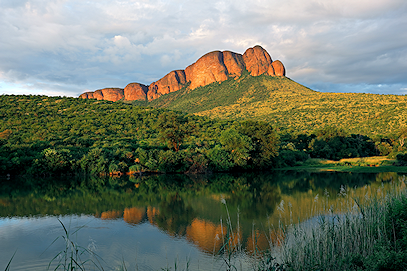
Marakele National Park lies within the folds of the Waterberg Mountains, offering sweeping views over valleys and grassy plains. From elevated lookouts, guests often watch wildlife graze or move toward watering holes below.
A Rare Breed
Many visit specifically for Cape vulture—the largest colony in the world. You can spot large numbers at the Vulture Restaurant. Note: the road to the feeding grounds high on the escarpment is steep and not a “walk in the park.”
Camera-Ready
Dramatic mountains at dawn and dusk, combined with diverse wildlife, create exceptional opportunities for photographers. Bring a macro lens if you enjoy capturing smaller creatures or fine natural details.
Experiences to Savor at Marakele National Park
Savor the views, savor the wildlife, savor the incomparable tranquility. Marakele is a one-of-a-kind park that leaves visitors in awe time and again. The Waterberg is an under-explored and extraordinary wilderness.
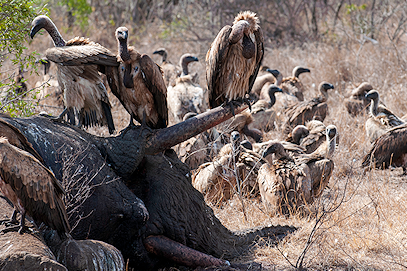
Predator and Prey
Nothing quite prepares you for the sight when Cape vulture gather at the Vulture Restaurant. Over 800 breeding pairs occur in the area; as they swirl overhead, the spectacle is both awe-inspiring and humbling.
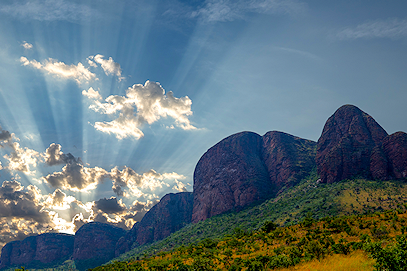
Place of Sanctuary
True to its name, Marakele offers a safari far from crowds. It is a place to relax and rejuvenate while taking in magnificent scenery and the inhabitants of a bountiful bush.
On the Edge
Situated in the lush Waterberg Mountain region—between the drier west and wetter east—the park offers the best of both worlds in a classic South African safari experience.Useful Information
History
Marakele National Park was first known as Kransberg National Park when it was established in 1994, then renamed Marakele National Park shortly thereafter. The area is linked with notable figures: naturalist and poet Eugène Marais, author of “The Soul of the White Ant,” lived here; Ramolefe Boy Maotshe famously survived a 15-minute struggle with a leopard to save a calf.
The park also hosts prehistoric sites once occupied by Iron Age communities. These eastern Bantu-speaking people built clay furnaces to smelt iron and settled near the Limpopo River around 450 AD. They cultivated sorghum and millet and kept livestock such as cattle, sheep, and goats, enabling longer-term settlement.
Wildlife
Marakele is home to the Big Five, though buffalo are rare and shy. Rhino are the most consistently seen of the Big Five. Other large species you are likely to encounter include giraffe, Burchell’s zebra, and blue wildebeest. Elephant and hippo are seen occasionally. Large predators such as lion, hyena, leopard, and cheetah are present, but patience is required. The behavior of chacma baboon and vervet monkey can entertain for hours. Owing to varied habitats, as many as 16 antelope species occur, including sable, eland, tsessebe, and mountain reedbuck.
On night drives, you may spot insectivores like aardvark and aardwolf. More than 280 bird species are documented, and the park is a favorite stop on Big Birding Day.
Vegetation & Terrain
In Limpopo Province, Marakele lives up to its Tswana name—“place of sanctuary.” The park straddles a climatic and vegetative transition between the drier west and wetter east. Much of it lies in the Waterberg Mountains, with over half of the vegetation classified as Waterberg Moist Bushveld on the higher slopes, which receive relatively higher rainfall through the year.
The reserve rises to 2,088 m above sea level and descends to about 1,050 m. Mixed bushveld dominates the northern and southwestern reaches, where lower rainfall and nutrient-richer soils support much of the park’s wildlife. Sweet Bushveld covers a smaller area yet remains important for conserving large predators during the dry winter months, with western expansion planned to protect more of this key habitat.
Activities
Marakele is a birder’s haven and a popular location for birders on Big Birding Day—bring binoculars. The main attraction is the world’s largest colony of Cape vulture. A mountain pass takes guests up the Waterberg massif to viewpoints close to breeding pairs, and many other birds can be seen along the escarpment.
Game drives into the Waterberg offer the chance to encounter the Big Five; black and white rhino are major highlights. Families with young children rate the Marataba Safari Lodge highly for kid-friendly activities such as family drives, arts and crafts, and Bug CSI. The contrast between lush, moist bushveld on higher slopes and drier lowlands provides excellent landscape and wildlife photography.