


Description
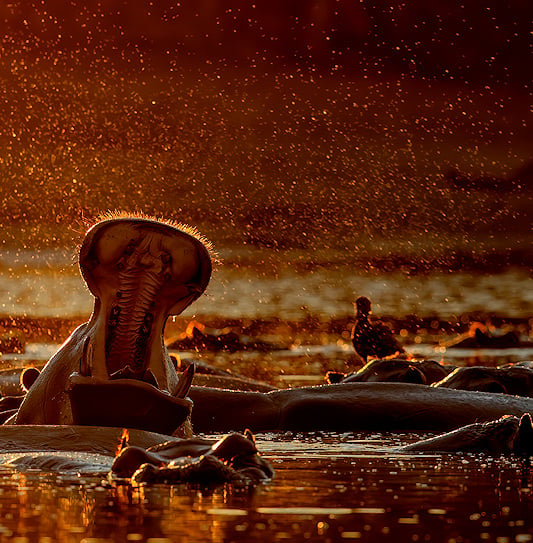
The hippopotamus is one of the largest land mammals. Thick gray-brown skin, a barrel-shaped body, and massive jaws make identification easy. By day, hippo rest submerged to keep cool and protect sensitive skin; at night they walk several kilometers to graze. In Kruger National Park, reliable sightings occur along major rivers and waterholes.
This animal is very dependent on water, and one will encounter them in dams and rivers throughout the Kruger National Park. A favourite place for me personally to watch them is at Sunset Dam near Lower Sabie. Throughout the day one can enjoy watching their antics, but the winter months are often even more special, as they are more likely to come out of the water. Younger hippopotamuses that are starting to become a little more independent from their mothers, although mom is never too far away, can often be seen chasing birds or trying to tell a crocodile basking in the sun that this is their dam and the crocodile needs to move.
 - Mary-Anne Finlay - Tour Guide Since 2006 (THETA Registration No: GP 2432)
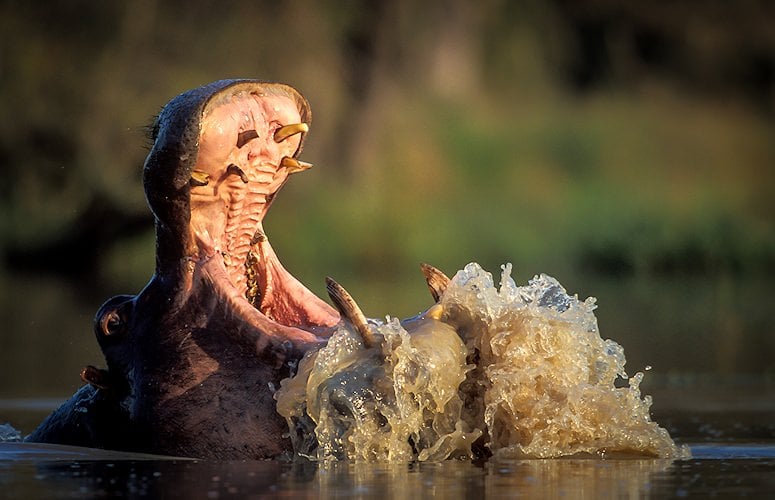
Hippo occur in South Africa’s northeastern river systems and across much of sub-Saharan Africa, including Mozambique, Zambia, Zimbabwe, Tanzania, Kenya, and the Democratic Republic of the Congo, with strong populations in the Okavango Delta. They primarily graze short grasses at night rather than aquatic plants.
Best Safari Tours for Viewing Hippo
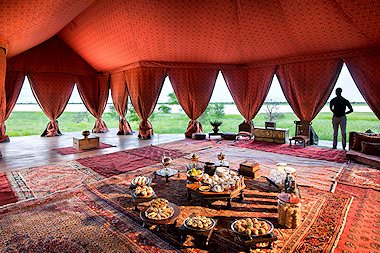
12 Day Botswana's Finest Areas & Vic Falls Safari
Experience Botswana’s finest lodges and safari areas before visiting Victoria Falls.
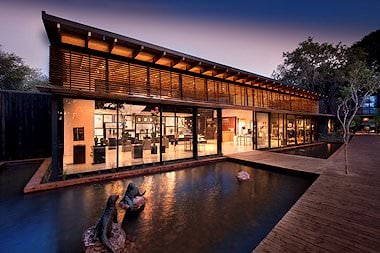
7 Day Luxury Timbavati & Sabi Sand Safari
Combine two iconic private reserves bordering Kruger National Park.

7 Day East Coast Safari & Beach Honeymoon
Safari in Phinda with excellent hippo viewing followed by a Mozambique beach escape.



Status
The common hippopotamus is listed as Vulnerable, with threats including habitat loss, conflict, and drought impacts on river and lake systems. Continental estimates are roughly in the low hundreds of thousands, with some Southern African populations stable. In Kruger National Park, hippo remain abundant along major rivers.

Habitat
Hippo require permanent water deep enough to submerge during the day and nearby grazing. Sensitive skin necessitates daytime immersion to prevent dehydration and sun damage. They emerge at dusk to feed, often walking several kilometers to short-grass lawns. Diet is primarily terrestrial grasses rather than aquatic plants.

Social Organization
In water, adult males are territorial and defend stretches of river that include groups of females and young. Hierarchies determine access to mates. Mixed pods share resting areas, and crocodile often occur nearby without threatening healthy adults. Females are highly protective of calves and may act aggressively when threatened.
Finest Safari Areas in Africa for Encountering Hippopotamus
We recommend the following national parks and private reserves for the best chances of spotting hippo on safari game drives and bush walks.

Social Behavior
Adult males defend aquatic territories; displays include yawning to show canines, vocalizing, and dung-spraying. Pods rest closely together by day and disperse at night to feed. Tolerance of other species in water is common, but females react swiftly if a calf is at risk.

Reproduction
Breeding often peaks in drier months with calving in the rains. Gestation is about eight months, and females typically bear a single calf about every two years. Females reach sexual maturity from roughly five to ten years, and males later, once able to compete for access to females.

Anti-Predator Behavior
Healthy adult hippo face few natural predators. Calves are vulnerable to lion and spotted hyena on land and to crocodile in water. When threatened, hippo respond with intimidation displays, and females may charge to protect calves; sheer size and group cohesion usually deter predators.