


Description
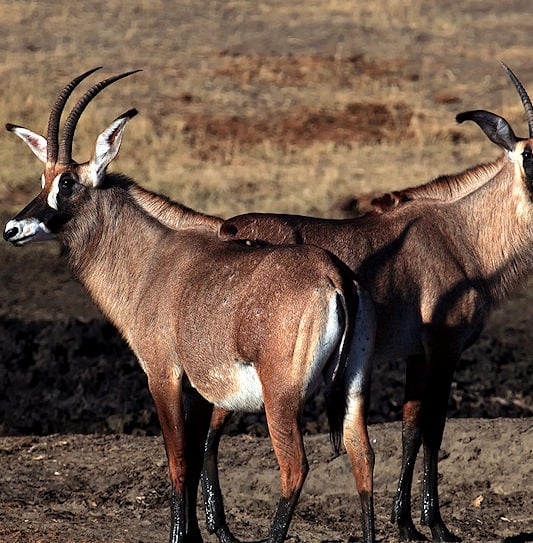
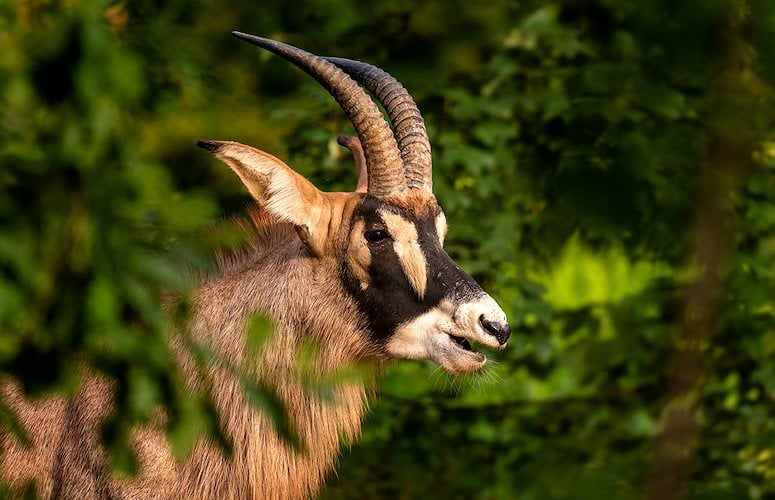
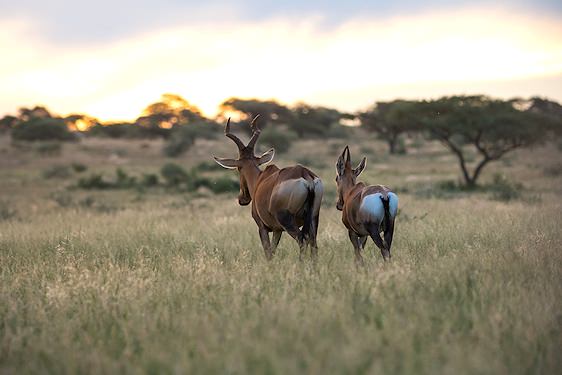
The roan antelope is a powerful, horse-built grazer with scimitar-curved horns, a bold black-and-white facial mask, and long tufted ears. Its shaggy neck mane, robust shoulders, and alert stance make it unmistakable. In Kruger, sightings are uncommon, rewarding attentive guests who search open woodland and mid-length grass near dependable water.
This is probably one of the rarest antelope to look for in the Kruger National Park. Their numbers were badly affected by disease and poor management decisions during the early 1960s in the park’s history. The area where I have most consistently seen roan antelope is around Mopani. One of the best places to look for them is around the Tihongonyeni Waterhole, which is also a good area for tsessebe sightings.
 - Mary-Anne Finlay - Tour Guide Since 2006 (THETA Registration No: GP 2432)
Roan occur in the northern part of South Africa toward Zimbabwe and across Namibia, Botswana, Zimbabwe, and Zambia. They inhabit parts of the Kruger National Park. Visitors can view them on game drives in other select national parks and private game reserves.

Status
The roan antelope is assessed as Least Concern due to wide distribution and substantial numbers, though many regional populations are declining. Strongholds in Southern Africa’s protected areas, including Kruger, help maintain the species locally, even where historic declines occurred and numbers remain low.

Habitat
Roan inhabit lightly wooded savanna and open woodland with medium-height grasses and access to surface water. In Kruger they use woodland, grassland, and mosaic savanna, often favoring fresh regrowth on mid-length grasses following rains.

Social Organization
Roan form mixed herds typically led by a dominant male, along with nursery groups of females and young and separate bachelor groups. Mature males may be solitary for periods and compete to control herds, especially when females come into estrus.
Finest Safari Areas in Africa for Encountering Roan
We recommend the following National Parks and Private Reserves for the best chances of spotting the roan on safari game drives and bush walks.

Social Behavior
Roan are most active in the cool hours after sunrise and before dusk. They graze selectively on medium-height grasses and can be wary and elusive. Herds are generally non-territorial, but males show pronounced aggression when competing for dominance or defending young.

Reproduction
Breeding can occur year-round depending on local conditions, with peaks around the wet season. A dominant male mates with receptive females in the herd. Newborns are concealed in tall grass for several weeks after birth to reduce predation risk.

Anti-Predator Behavior
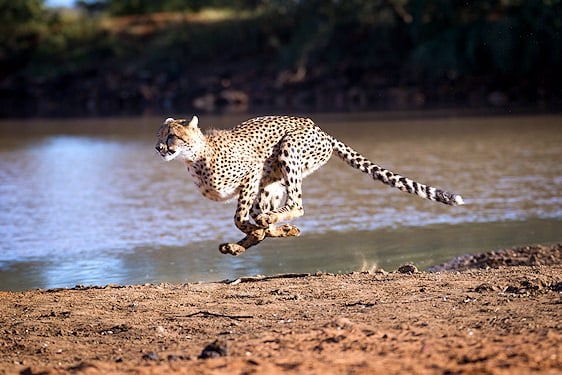
Adults defend with powerful kicks and horn thrusts and will bunch to protect young. Main predators include lion, spotted hyena, African wild dog, and crocodile, with calves especially vulnerable. Roan typically posture, snort, and then flee when a predator closes distance.