


Description
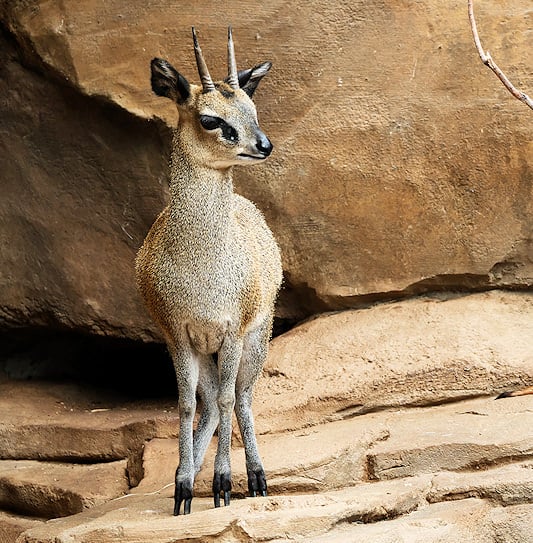
Klipspringer is a sure-footed, small antelope adapted to steep, rocky slopes. A dense gray-brown coat camouflages against granite and sandstone, while short, sharp horns are carried by males. Hooves with rubbery tips let klipspringer balance on tiny ledges, and paired sentinels often stand high on boulders to survey valleys and escarpments below.
Klipspringers are small antelope usually found around rocky outcrops and boulder-strewn hills. They are most often seen in pairs, but if there is a lamb around, you may spot three or four together. Some of my favourite places to look for klipspringers are along the rocky boulders between Malelane Gate and Skukuza, around the Kruger Tablets area, and on the road towards Nkumbi Viewpoint. Another excellent spot is along the Biyamiti River drive where they like the rocky outcrops.
 - Mary-Anne Finlay - Tour Guide Since 2006 (THETA Registration No: GP 2432)
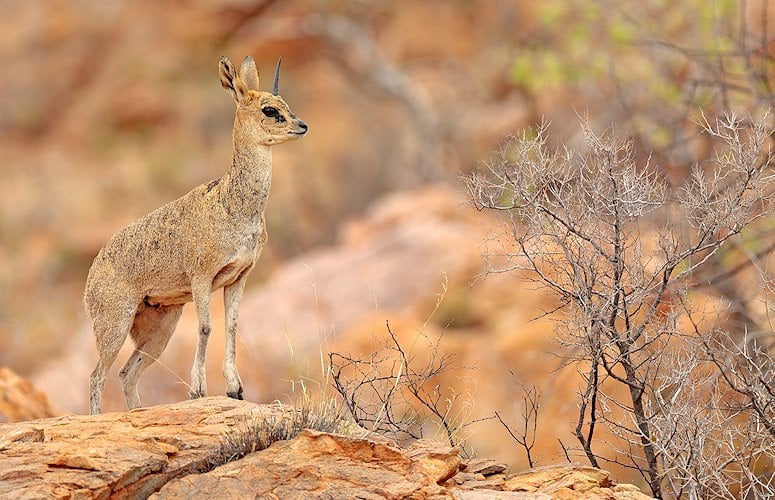
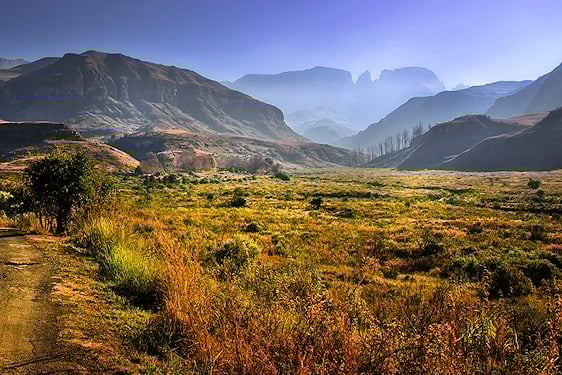
Klipspringer occurs from South Africa’s Western Cape north along the escarpment to the Namib Desert on the west, and from northern South Africa around Kruger to Ethiopia in the east. Scattered populations persist in the Drakensberg Mountains where cliffs and rocky outcrops provide ideal refuges.

Status
As a species, klipspringer is not currently threatened and remains widespread in suitable rocky habitats, with an estimated population near 40,000. Stability varies locally because only about a quarter occur in protected areas. Notable strongholds include highland regions of Ethiopia where rugged terrain and browse support persistent populations.

Habitat
Klipspringer prefers rocky hills, koppies, and mountains with scattered shrubs and forbs. Individuals usually feed within a compact home range but may move up to 500 m to reach fresh shoots. Water needs are largely met through diet. Exceptional climbing ability on boulders and loose scree provides escape terrain from predators.

Social Organization
Klipspringer commonly lives as monogamous pairs within a shared territory, with size influenced by food, rainfall, temperature, predators, and local density. In Ethiopian highlands, territories may average about 9 ha (0.09 square kilometers); in South Africa’s Northern Cape, where terrain is expansive, territories average around 49 ha (0.49 square kilometers).
Finest Safari Areas in Africa for Encountering Klipspringer
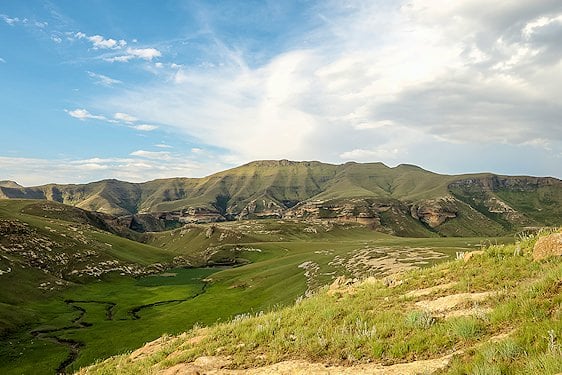
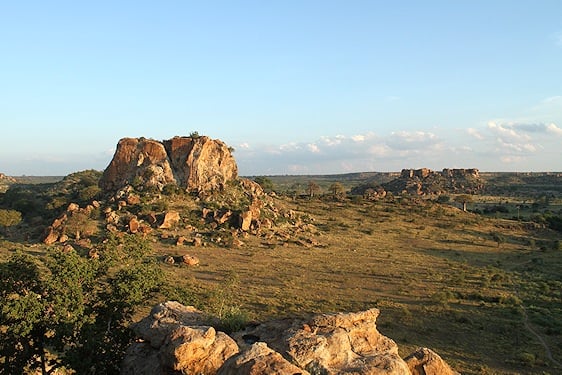
We recommend the following National Parks and Private Reserves for the best chances of spotting the klipspringer on safari game drives and bush walks.

Social Behavior
Activity is mostly crepuscular and during cooler daylight hours, with resting at midday. Pairs often remain within a few meters of each other, alternating feeding and lookout. Territorial maintenance includes scent marking with preorbital glands; cheek-to-cheek greetings are common, similar to steenbok and oribi. Vocal alarms carry well across rocky slopes.

Reproduction
Klipspringer typically breeds seasonally but can breed year-round. Births peak in late spring and early summer after a gestation of about six months. Both sexes reach sexual maturity near one year. Courtship is relatively elaborate for small antelope and may include circling and a foreleg-lifting display by the male.

Anti-Predator Behavior
Paired vigilance helps klipspringer detect danger early. On spotting a predator, klipspringer bounds to steep rocks and gives sharp alarm calls that alert neighbors. Leopard is a principal predator; caracal, jackal, and large eagle may take young. After reaching safety, klipspringer often reassesses the threat before resuming feeding.