• USD
  • EUR
  • GBP
  • AUD
  • CAD
  • ZAR

South Africa's Shamwari Private Game Reserve

Help Me Plan

Shamwari Private Game Reserve Destination Guide

Shamwari is a flagship private reserve in South Africa’s south, renowned for malaria-free Big Five safaris and polished family-friendly hospitality. Set in the Eastern Cape’s varied biomes, it pairs outstanding conservation with stylish lodges and expert guiding. Expect intimate sightings, thoughtful kids’ programming, and easy access from Gqeberha (formerly Port Elizabeth) along excellent roads.

Getting There

By Air: Shamwari is in the Eastern Cape, close to Gqeberha (formerly Port Elizabeth), known locally as the Windy City and Friendly City. Guests traveling to the reserve are welcomed at OR Tambo International in Johannesburg or Cape Town International and assisted with transferring to Gqeberha’s airport for the final leg.

By Road: Upon arrival at Gqeberha Airport, guests are transported to the reserve in a private, air-conditioned vehicle by a professional guide. The reserve is approximately 75 km from Gqeberha, and the short drive on a national road is comfortable and scenic, passing Addo Elephant National Park—an ideal twin-center safari with the Eastern Cape’s highlights.

Weather & Best Time To Visit

The region’s semi-arid climate supports rewarding game viewing year-round, with peak visibility in the dry months from mid-April to September. Evenings and early mornings can be cold in winter, so pack warm layers, gloves, and a beanie for open-vehicle drives; midday conditions are generally mild and sunny, ideal for pool time or spa appointments between activities.

Spring rains usher in green hillsides, wildflowers, and newborn antelope, while summer delivers longer daylight and lively birding as intra-African and Palearctic migrants arrive. Though this is a popular season, lodge capacities remain controlled. Autumn often blends crisp mornings with warm afternoons—excellent for photographers targeting golden light, raptor on thermals, and grazing herds on rejuvenated grasslands after early showers.
Pioneering hunters such as Cornwallis Harris and Sparrman recorded the Big Five in the area. Scientific evidence suggests that the Eastern Cape supported vast herds of buffalo, wildebeest, elephant, zebra, and many other species. In 1931 the Cape lion became extinct. Hunting threatened the local survival of other species. Since then, conservation efforts at Addo and Shamwari have returned some natural balance to the region. In 1992, Shamwari opened its gates to visitors. Today, the reserve consists of 25000 hectares, 5 000 head of game, and seven lodges.

Established
1972
Size
250 km²
Province
Eastern Cape
Interesting fact
It is home to Five of South Africa's Seven Biomes
Famous for
Animal Planet series 'Shamwari: A Wild Life'

Tours and Safaris that visit Shamwari

18 Days From: USD 15,449 - 24,417 pp Top-End Luxury Code: T01

Tour the highlights of Cape Town, the Overberg and Garden Route before enjoying a safari at Shamwari
9 Days From: USD 11,449 - 14,264 pp Luxury Code: S13

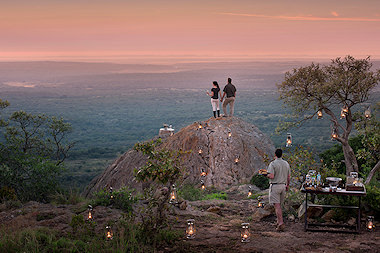
This Safari combines wildlife viewing in three of South Africa's finest private game reserves. Sabi Sand, Phinda and Shamwari Reserves.
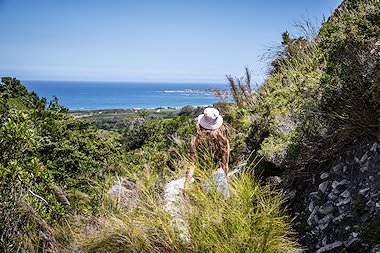
7 Days From: USD 6,219 - 9,226 pp Luxury Code: T04

Book a package that combines a private tour of the Garden Route with a malaria-free safari at Shamwari. Two of the top destinations in the Cape.


Safari Lodges

Shamwari is home to seven distinctly different lodges. Each offers a unique safari adventure in this Big Five reserve.
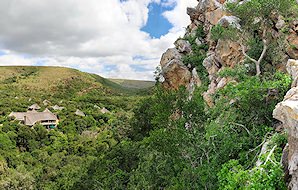
Eagles Crag

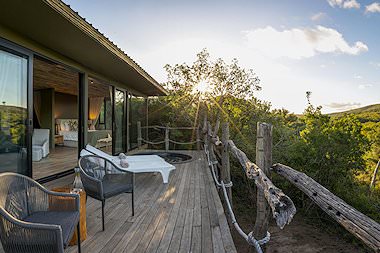
Eagles Crag offers luxury and sweeping views of the surrounding rock faces where eagles can often be spotted soaring. The lodge offers nine suites and magnificent central areas.
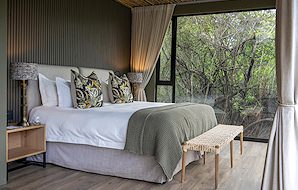
Bayethe

Twelve luxury tended suites provide accommodation to visitors to Bayethe. The lodge offers double-volume central areas in an area of pristine beauty.
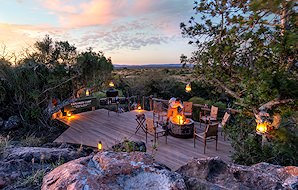
Explorer Camp

Explorer Camp is a rustic bush camp. The camp is open seasonally in the South African summer and is a base for walking safaris conducted on the Shamwari reserve.
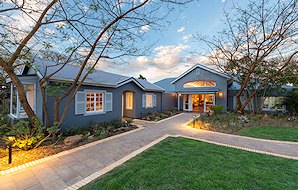
Riverdene

Riverdene lodge offers family accommodation and is the ideal venue for a luxury family safari without malaria risk. The unique Kids on Safari program at the lodge informs youngsters about conservation.
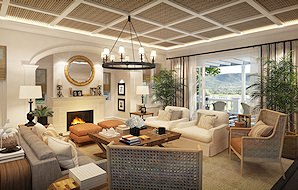
Long Lee Manor

Long Lee Manor offers luxurious Edwardian-style accommodation offers views of the Bushmans River Valley. There are two Manor Suites, Four Garden Rooms, and Eleven Plains Rooms. A two-bedroomed family suite is also available.
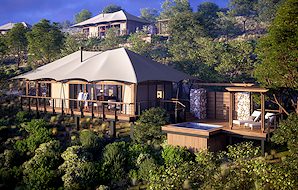
Sindile

Sindile is a new luxury-tented camp in a secluded location deep in the bush. The nine tents, built on wooden platforms, offer a safari reminiscent of the great east African safaris yesteryear.

Reasons to visit Shamwari Private Game Reserve

1

Child-Friendly Safari

Shamwari is in the Eastern Cape of South Africa, a malaria-free region. It is ideal if you are planning a safari and would like to enjoy a hassle-free all-encompassing experience with the kids. Shamwari is for you. The reserve caters extensively to children with, among others, the Kids on Safari program.

2

A Safe Haven

At Shamwari, the Big Cat Sanctuary takes care of various animals rescued from unnatural and often horrific conditions, including circuses and nightclubs. Unfortunately, their previous conditions mean they will never be able to return to the wild again, but at least here, they can live as close to nature as possible.

3

Relaxing Retreat

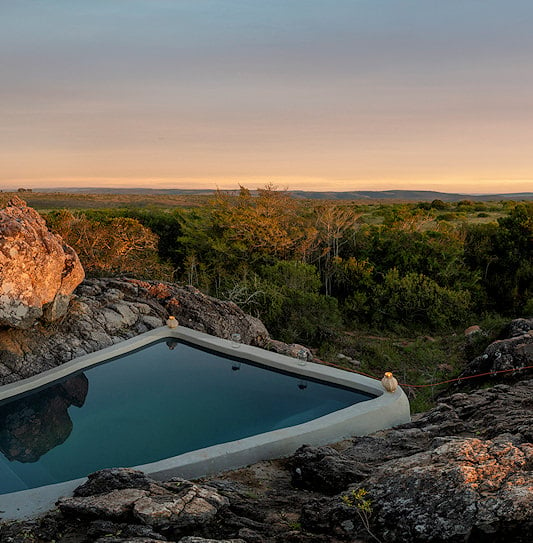
There is a multitude of spa facilities available at Shamwari. If you want to take a break or treat yourself to a pampering session, make a reservation at one of the facilities. Some lodges even offer treatments from the comfort of your room, ranging from massages to pedicures.

Start Planning

Experiences to Savor

Guests at Shamwari will delight in the various lodge's exceptional service levels and incredible wildlife interactions.
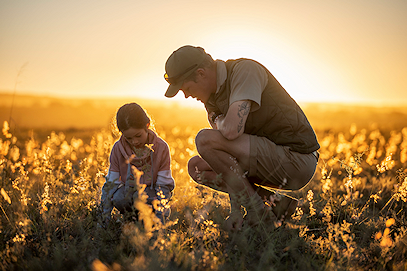
Great Service

All staff here, from housekeeping to game rangers, go above and beyond to ensure each guest experiences the safari of a lifetime. Whether traveling with friends, family, children, or even for business, you can be sure to be very well catered for at all times.
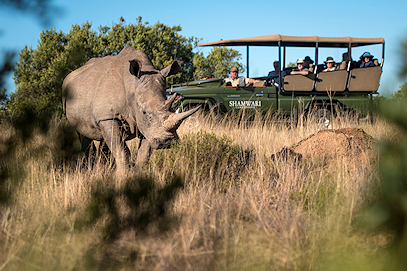
Restoration

You will leave with a renewed sense of hope. Their conservation and rehabilitation endeavors aim to conserve a vanishing way of life that is both inspiring and educational.
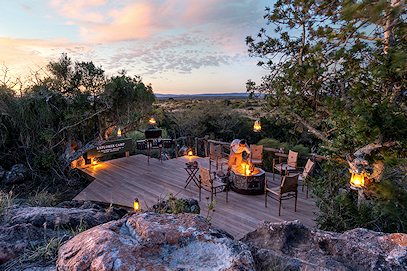
Easy Access

One of the best things about the reserve is its location. It is a mere 75km from Port Elizabeth, just off one of South Africa's national and best-kept roads. It is so easy to reach and offers one of the best African safari experiences.

Useful Information

History

Shamwari’s modern story began when conservation-minded owners consolidated degraded farmland in the Eastern Cape to restore natural habitats and wildlife. Internal fences were removed, erosion was controlled, and watercourses rehabilitated while tourism remained low impact. Early guests stayed at historic homesteads as the reserve steadily expanded, pairing hospitality with a clear ecological mandate across hills, valleys, and the Bushmans River corridor.

By the early 1990s the reserve opened formally to visitors, with ongoing land acquisition growing a contiguous protected landscape of about 25,000 hectares. Guided by scientists and experienced rangers, reintroductions emphasized ecological fit and genetics. Partnerships around rehabilitation and education cemented Shamwari’s reputation, and today the reserve showcases how restoration, ethical tourism, and community engagement can revive a once overgrazed corner of the Cape.

Wildlife

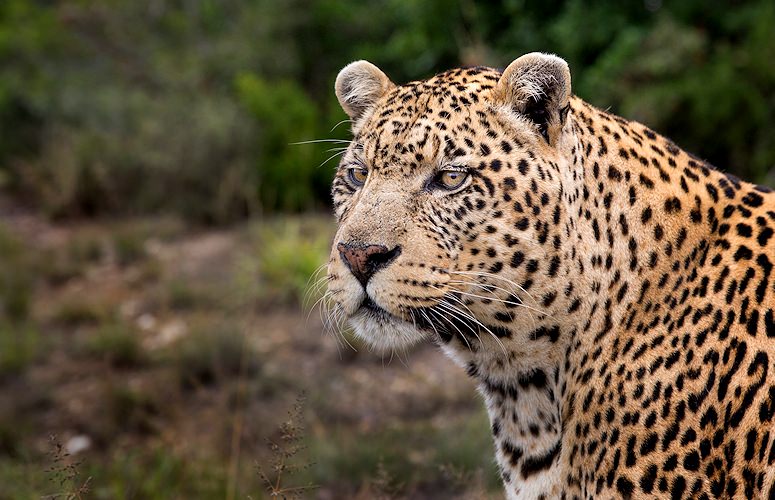
Scientific reclamation and restocking returned plains game to historic ranges. Large herds of blue wildebeest share open grass with zebra, while sable, eland, kudu, and smaller antelope browse thicket and riverine edges. Carefully planned reintroductions established healthy populations of lion, leopard, and cheetah, alongside both white rhino and black rhino. Cape buffalo and African elephant are encountered routinely on unhurried morning and afternoon drives across mixed habitats.

Birdlife is prolific—around 400 species recorded. Expect hornbill along dry slopes, Knysna turaco in thicker valley forest, and robin flitting through shaded gardens. Raptor ride thermals near ridgelines, while waterbird gather around pans and wetlands after rain. With patient guiding, nocturnal outings may reveal civet and owl, underscoring how varied biomes concentrate exceptional sightings in a compact, malaria-free landscape well suited to families and first-time safari travelers.

Vegetation & Terrain

Before protection, the area’s farming legacy left compacted soils and fragmented vegetation. Restoration has stitched together five South African biomes and fourteen vegetation types, creating resilient gradients rather than abrupt edges. Rolling grassland and open savanna sustain abundant grazers—and the predators that follow—while subtropical thicket and valley bushveld offer dense browse for elephant and black rhino and refuge for shy antelope during hot midday hours.

Riparian corridors and wetlands thread through hills and plains, acting as vital filters and seasonal magnets for wildlife. Iconic flora such as spekboom and aloes punctuate viewpoints across the Bushmans River Valley. Ongoing erosion control, indigenous replanting, and targeted invasive-species clearing keep the human footprint low, improving soil health and water retention while enhancing the photographic scenery guests experience from vehicles and walking trails.

Activities

Daily programs are tailored by your ranger and lodge team, typically blending morning and late-afternoon open-vehicle drives with optional guided walks. On drives, expert interpretation links climate, vegetation, water, and animal behavior, positioning vehicles respectfully for clear viewing. Walks with qualified guides slow the pace to tracks, plants, and bird calls—often the highlight for guests seeking a deeper, sensory connection to the bush.

Families value the Kids on Safari program, childminders, and flexible dining that simplify multi-generational travel. Between activities, pool time and spa treatments offer restorative pauses. Conservation experiences may include visits highlighting rehabilitation and community initiatives, reinforcing Shamwari’s eco-pioneer ethos. With smooth access from Gqeberha, the reserve works beautifully as a stand-alone safari or paired with the Garden Route or Addo for diverse Eastern Cape landscapes.

Last Updated: November 21, 2025 Curated By: Riaan Viljoen