


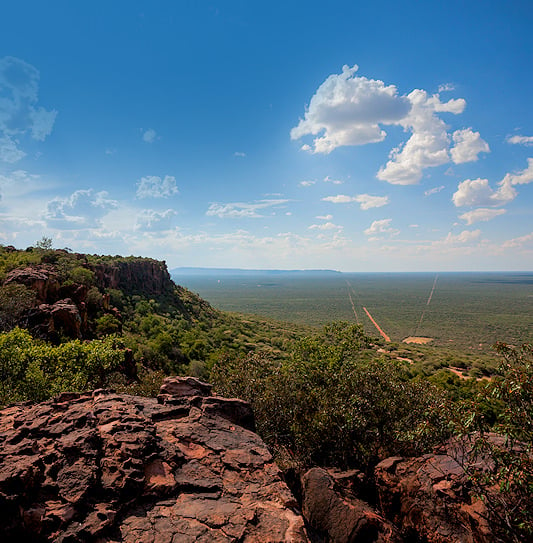
Waterberg Plateau Destination Guide
Waterberg Plateau Park offers a different experience from Namibia’s better-known wildlife parks. Its red sandstone cliffs, walking trails, rare antelope and conservation history make it particularly rewarding for travelers interested in scenery, hiking and nature. Game drives explore the plateau, while the events of 1904 add an important historical dimension to a visit.
Getting to the Waterberg Plateau
By Air: Hosea Kutako International Airport near Windhoek is the main international gateway for most visitors. From there, African Sky generally continues overland to Waterberg Plateau Park as part of a privately guided Namibia itinerary.
By Road: African Sky visits Waterberg Plateau Park on privately guided Namibia tours in an air-conditioned vehicle. The park lies east of Otjiwarongo and fits naturally into overland routes between Windhoek and northern Namibia.
Weather & Best Time to Visit
Waterberg Plateau Park can be visited throughout the year. May to August brings cooler, drier conditions that are comfortable for hiking, although early mornings can be cold. September and October are warmer but remain dry, while summer is hotter and wetter. Wildlife viewing is often particularly rewarding during the dry season.
Health Considerations
Waterberg Plateau Park lies in Namibia’s Otjozondjupa Region, where malaria prevention is recommended. Travelers should seek current advice from a qualified healthcare professional before departure and use mosquito-bite precautions while visiting the region.
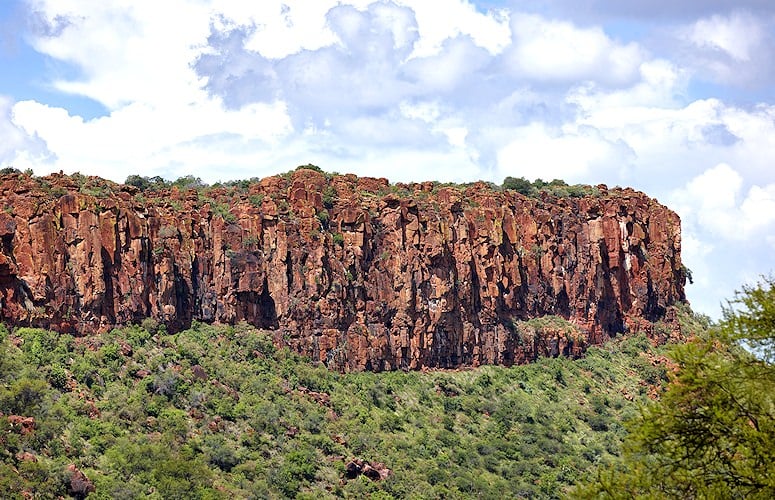
Waterberg’s geological history stretches back hundreds of millions of years, with ancient rock strata and fossilized dinosaur tracks found in the area. The park also contains San rock engravings and sites associated with the 1904 Battle of Waterberg. Guided game drives, walking trails and longer hikes provide different ways to explore the landscape.
Experiences to Savor
Waterberg combines wildlife conservation, sandstone scenery and an important chapter of Namibian history. Game drives explore the plateau, walking trails reach viewpoints above the plains, and historical sites provide context for the events that took place here in 1904.

Guided Game Drives
Guided drives provide access to wildlife areas on the plateau that cannot normally be explored independently. Morning and afternoon outings offer opportunities to look for rare antelope, buffalo and other wildlife while learning about Waterberg’s conservation history.
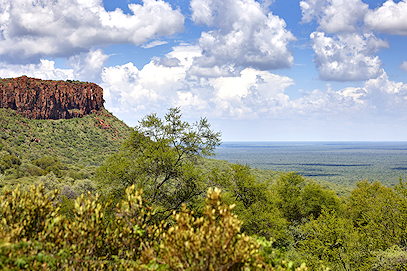
Plateau Hiking
Walking trails climb through woodland and sandstone terrain to viewpoints above the surrounding plains. Short trails can be explored near the resort, while longer guided wilderness hikes and a 48 km unguided trail provide more demanding options.

Ancient Geology and Rock Art
Dinosaur tracks and San rock engravings add another dimension to Waterberg’s natural history. The plateau’s oldest rock layers are hundreds of millions of years old, while traces of much later human occupation survive among its sandstone landscapes.