General Activity Information
Area and Setting
San rock art sites are typically found in rugged, scenic landscapes across Southern Africa – from the basalt cliffs and rolling foothills of the Drakensberg to the weathered sandstone of the Cederberg and the arid valleys of Namibia and Botswana. Many paintings and engravings sit beneath rock overhangs or in shallow caves that once served as seasonal shelters for San hunter-gatherers.
Visits usually form part of a guided walk from your lodge, a nearby trailhead or a national park rest camp. As you progress along mountain paths or rocky footpaths, your guide will point out plants, wildlife sign and landscape features that shaped San life, before arriving at the protected rock art panels themselves. The combination of natural beauty and cultural history makes these outings uniquely memorable.
What to Expect on a San Rock Art Outing
Most excursions begin with a short briefing on the San people, the age and significance of the art and the conservation rules that protect each site. You’ll then walk in small groups along a marked trail, with regular stops for viewpoints, flora and any wildlife encountered along the way.
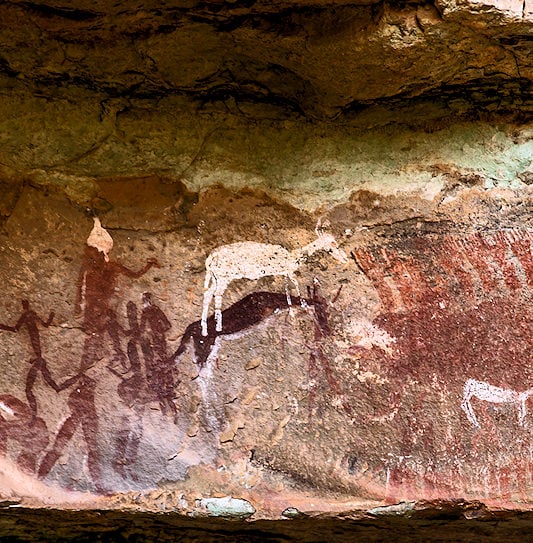
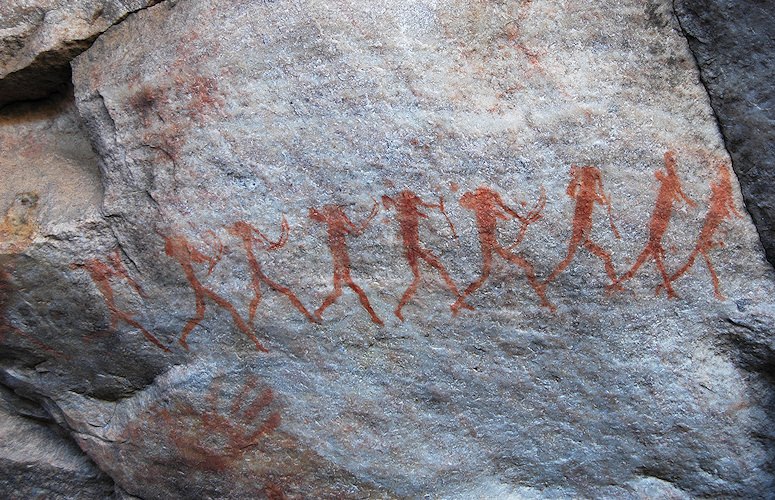
At the shelters or rock faces, your guide will interpret key figures and scenes – including hunters, antelope, ritual dances and abstract shapes – explaining current archaeological thinking and San spiritual beliefs. Time is allowed for quiet observation and photography where permitted, always without touching the rock surfaces or disturbing the fragile pigment.
Best Time of Day and Year
Rock art viewing is best in the cooler hours of the morning and late afternoon, when walking conditions are comfortable and the angled light enhances the visibility of faded paintings and engravings. In summer, midday heat in mountain and desert areas can be intense, so earlier departures are strongly recommended.
These experiences are available year-round, though autumn and winter often bring clearer air and stable weather, especially in the Drakensberg and Cederberg. African Sky consultants can help time your visit for optimal hiking conditions and integrate rock art excursions with nearby safaris or coastal stays.