


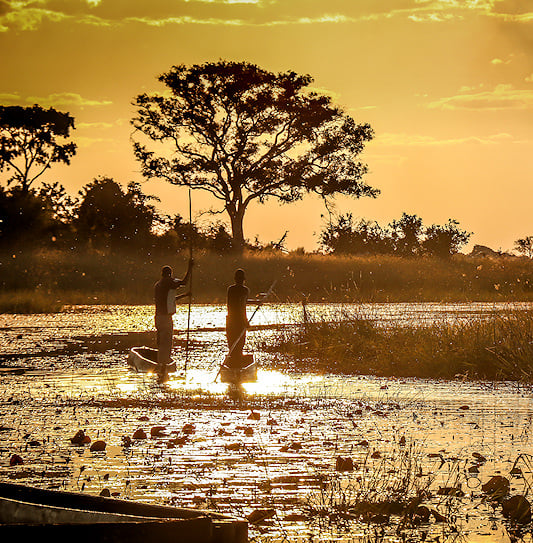
Safaris in the Okavango Delta
The Okavango River rises in the highlands of Angola and ends in the Kalahari sands of northern Botswana, spreading into a maze of channels, lagoons and islands. Its floodwater arrives months after the rain that fed it, so the Delta is often at its fullest in the dry winter, when the surrounding bush is brown and dusty. On a quiet channel at dawn, the loudest sound may be the reed frogs.
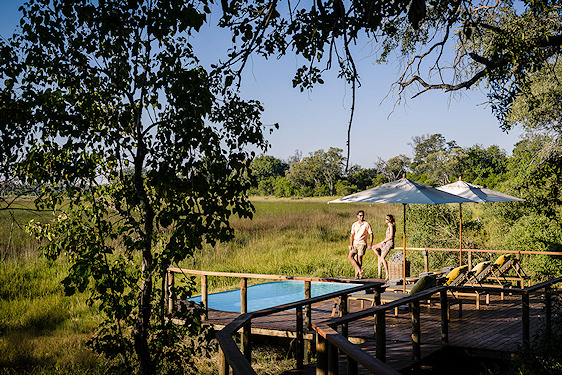
Where you stay shapes the safari here more than almost anywhere else in Africa. A camp's position, the water level and the rules of its area decide which activities you can do, and African Sky weighs all three when planning an itinerary.
Most Okavango packages are fly-in safaris. Light aircraft connect Maun or Kasane with bush airstrips close to the camps, and flights between safari areas avoid long overland transfers. Once at camp, resident guides conduct the wildlife activities.
The Delta can be combined with Chobe, Linyanti, Victoria Falls and other safari areas, or included in a longer trip through Southern Africa. Travelers comparing accommodation should also see our Okavango Delta safari camps and lodges.
 Member since: 2002
No. 1145


Featured Okavango Delta Safari Packages
These itineraries combine the Delta with other wildlife areas in Botswana and Southern Africa, ranging from shorter fly-in safaris to longer multi-country trips.
View All Okavango Safaris
Okavango Delta Safari Experiences
The Delta can be explored by vehicle, motorboat, mokoro and on foot, and the most rewarding stays combine at least two of them.
Game Drives
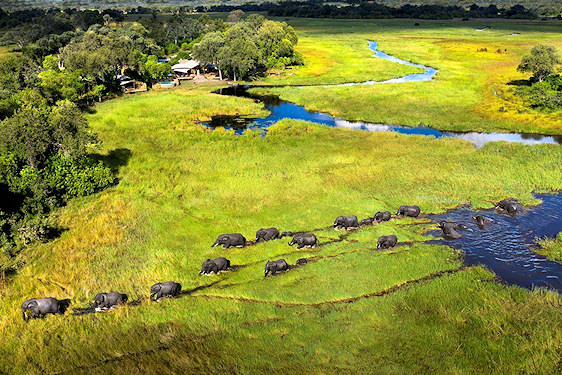
Open-vehicle drives explore islands, woodland and floodplains in search of elephant, buffalo, antelope and predators. Camps deep in the wetland may have little dry land to drive at the height of the flood.
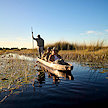
Mokoro Rides
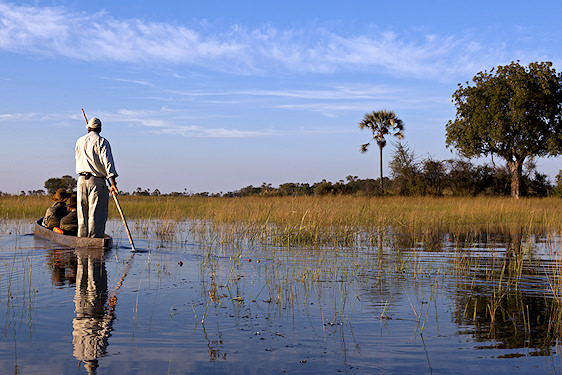
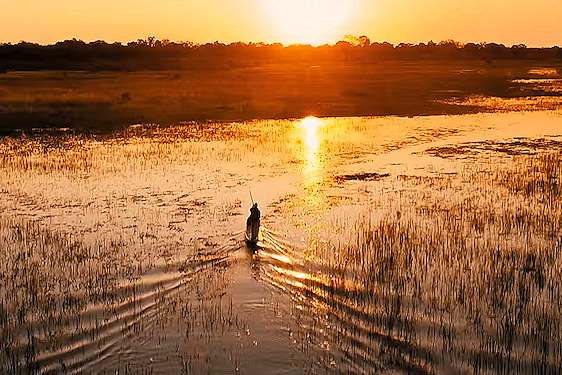
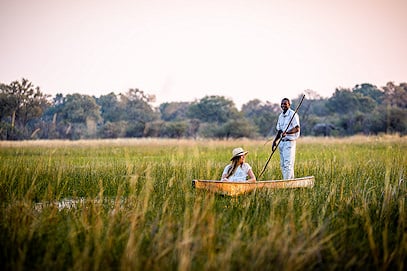
A poler stands at the back of the mokoro and pushes it through shallow channels at water level, past water lilies and tiny painted reed frogs clinging to the stems.
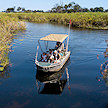
Boating Safaris
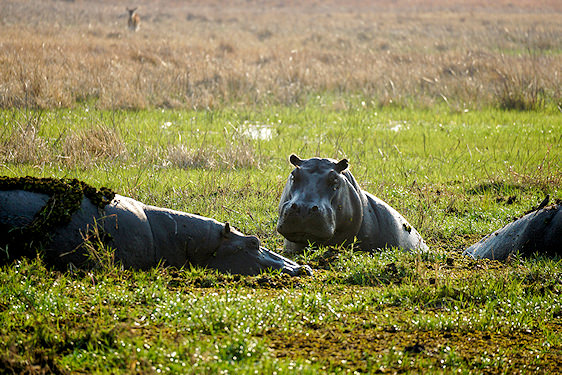
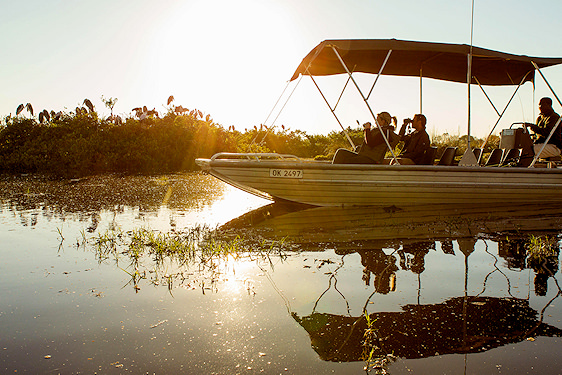
Motorboats reach the deeper channels and lagoons, home to hippo and to sitatunga, the shy swamp antelope. With luck, a Pel's fishing owl may be spotted in the riverine trees.
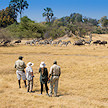
Walking Safaris
Some private concessions allow guided walks on the islands and surrounding bush. The focus shifts to tracks, plants and smaller details that are easily missed from a vehicle.
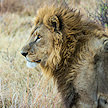
Predator Viewing
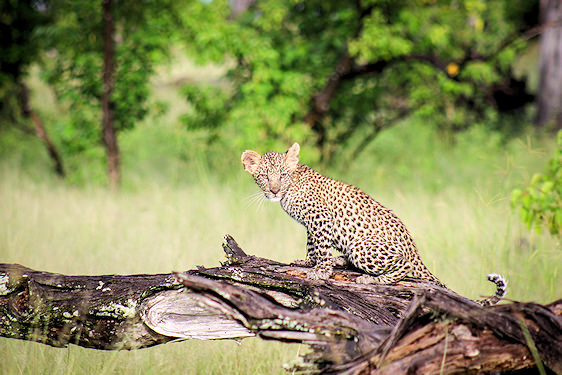
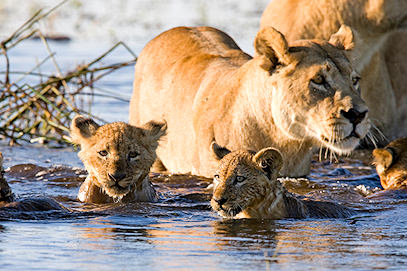
Lion, leopard and wild dog occur across the drier parts of the Delta. Some lion prides here have learned to cross flooded channels while hunting, swimming between islands.
Bird Watching
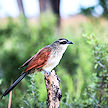
Wattled crane and slaty egret, a bird found almost only in this region, feed on the floodplains, while herons and storks gather at breeding colonies in the lagoons.
Okavango Delta Safari Areas
The Delta changes from deep permanent channels in the northwest to seasonal floodplains and dry woodland on its eastern edge, and each area suits a different kind of safari.
Moremi Game Reserve
Proclaimed in 1963 at the request of the local Batawana people, Moremi protects some of the Delta's richest wildlife country. Game drives here stay on designated roads.
Chief's Island
The largest island in the Delta lies within Moremi, and its floodplains and woodland make it one of the region's best-known big-game areas. Camps here suit travelers who put predators and general game first.
Khwai
Along the Khwai River beside Moremi, community concessions can offer day and night drives, walking and seasonal mokoro excursions alongside consistently good wildlife viewing.
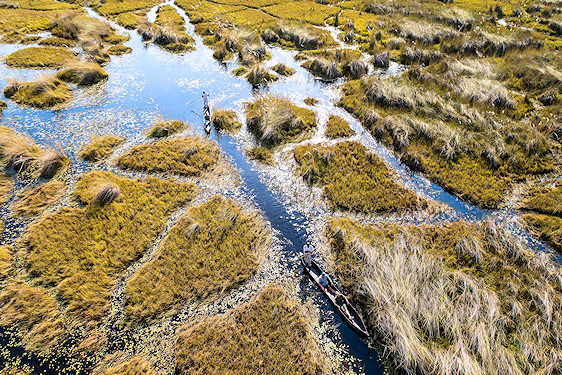
Permanent Water Areas
Camps beside deeper channels can run boating and mokoro activities throughout the year. They suit travelers who specifically want a water-based Delta experience.
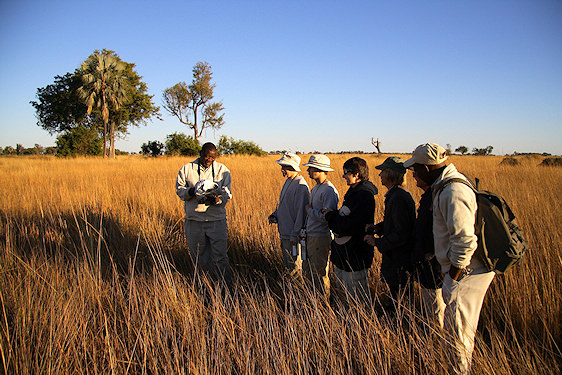
Private Concessions
Outside Moremi, private concessions allow night drives, guided walks and off-road driving to follow a sighting, and only the concession's own guests use the area.
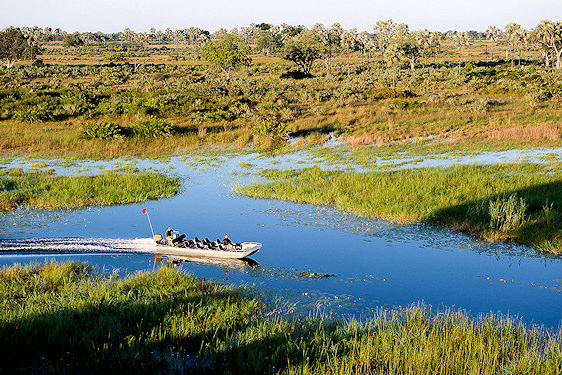
Seasonal Floodplains
Grassland that is dry in summer becomes a sheet of shallow water by mid-winter, when red lechwe splash across the floodplains and mokoro trips become possible.
Planning an Okavango Safari With African Sky
Riaan Viljoen, owner of African Sky, has stayed at many of the Okavango's camps over more than 25 years. In his opinion, the best Delta camps are those where both styles of safari can be enjoyed: game drives on dry land, and boating or mokoro excursions on permanent water. That matters more than which lodge looks best in the photographs.
A mokoro excursion is worth doing once, gliding at water level past papyrus and water lilies, but it is not a good way to see general game. Plan it as one highlight of a stay built around game drives.
African Sky also plans how the Delta fits into the rest of the trip. Chobe, Linyanti and Victoria Falls are the most natural additions to an Okavango fly-in safari, and longer itineraries can continue to South Africa or elsewhere in Southern Africa.
About African Sky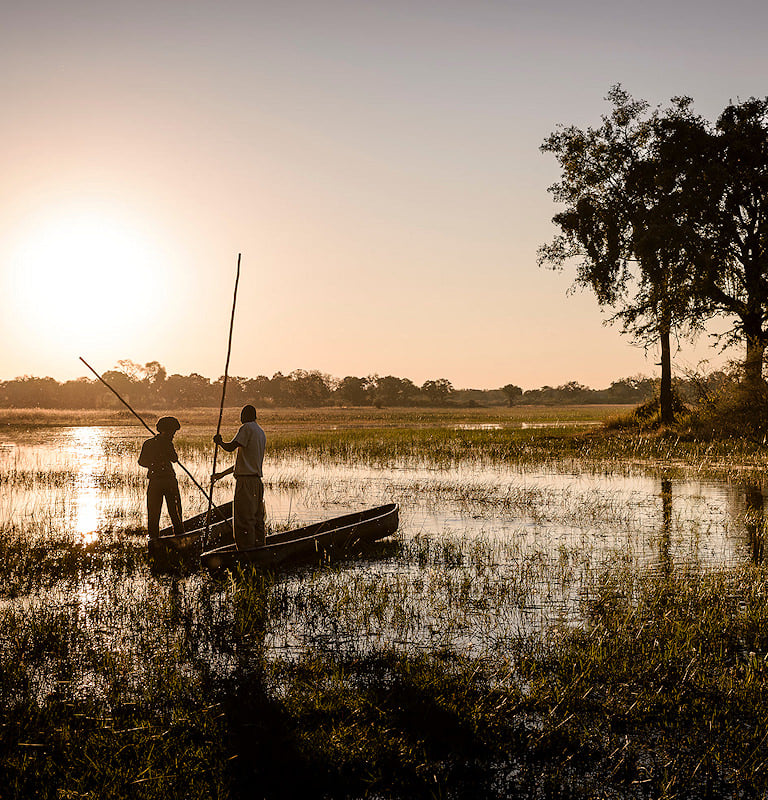
Plan Your Okavango Delta Safari
Start with the activities you most want to experience, then choose camps whose locations and operating rules support them.
Decide How Important Water Is
If mokoro and boating are priorities, choose a camp with dependable water access rather than assuming every part of the Delta offers the same activities.
Match the Camp to Your Interests
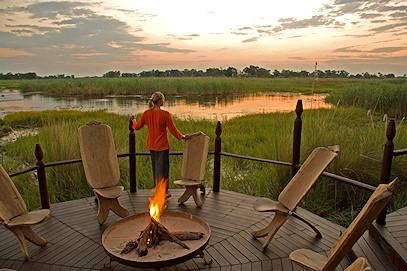
Predator viewing, night drives, walking and water activities vary by area. Decide what matters most before comparing room design or lodge facilities.
Consider Two Contrasting Areas
On longer safaris, choose two camps with genuinely different habitats or activities, so the second stay adds something new.
The Okavango Delta is unrivaled for a sense of immersion in untamed Africa. The primary choice with which you will be confronted is whether to stay at a camp that offers land-based activities, water-based activities or a combination of the two. It is also important to consider whether your safari camp is inside Moremi Game Reserve, where night safaris are not allowed, or on an adjacent private concession, where they are conducted.