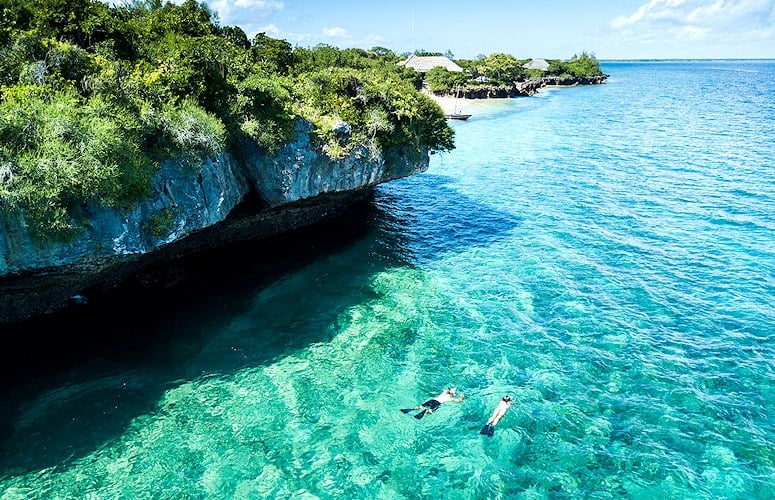
General Activity Information
Area and Setting
Snorkeling in Southern Africa is focused along the warm Indian Ocean coast, where protected
marine reserves, offshore islands and shallow reefs create ideal conditions for relaxed
exploration. From Mozambique’s Bazaruto and Quirimbas archipelagos to the northern reaches of
KwaZulu-Natal in South Africa, you’ll find clear water, coral gardens and sandy lagoons within
easy reach of intimate beach lodges and island retreats.
Many of the best snorkeling areas lie inside national marine parks or conservancies, limiting
boat numbers and protecting fragile reef systems. Trips usually depart directly from your
lodge or a nearby launch site, with short boat rides out to sheltered reefs or, in some areas,
gentle shore entries from calm bays. It’s a natural complement to a classic safari – trading
acacia woodland and savanna for seagrass beds, coral bommies and schools of tropical fish.
What to Expect on a Snorkeling Outing
Outings typically begin with a safety and equipment briefing from your marine guide, covering
basic snorkeling techniques, hand signals, boat procedures and how to move around the reef
without causing damage. You’ll then travel by small boat or 4x4 and boat combination to the
day’s chosen site, selected according to tides, wind and swell for the calmest possible
conditions.
Once in the water, you’ll float over shallow reefs and sandy patches while your guide points
out interesting species – from colorful reef fish and anemones to turtles, rays and, in some
areas, passing dolphins in the distance. Sessions are usually relaxed and unhurried, with
surface support always close at hand. Less confident swimmers can use flotation vests or
noodles, allowing mixed-ability groups to enjoy the same experience together.
Best Time of Day and Year
The most comfortable snorkeling conditions are usually found in the morning, when winds are
lighter, seas are calmer and visibility is often at its best. Midday sessions can be
spectacular on still days, but stronger afternoon breezes can occasionally create choppier
surface conditions, especially on exposed outer reefs.
Snorkeling is possible throughout much of the year along the Mozambican and northern
KwaZulu-Natal coastline, with water temperatures generally warm enough for extended time in
the sea. Your African Sky consultant will help match your travel dates to regions with
typically favorable sea conditions, and can combine your chosen snorkeling destination with
nearby safari areas for a balanced bush-and-beach itinerary.