


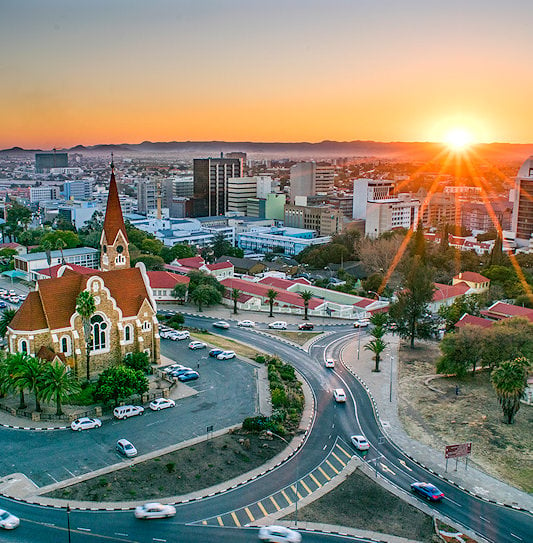
Windhoek Destination Guide
Windhoek is Namibia’s capital and the main gateway for many tours across the country. Set on the Central Plateau between the Khomas Highlands, Auas and Eros mountains, the city combines modern amenities with colonial-era architecture, museums and restaurants. Many African Sky itineraries start or end here before continuing into Namibia’s major safari regions.
Getting to Windhoek
By Air: Hosea Kutako International Airport, about 45 km east of Windhoek, is Namibia’s main international gateway. African Sky guests are met on arrival and transferred privately into the city. Eros Airport, about 5 km from the city center, is widely used by charter and fly-in safari aircraft traveling to destinations elsewhere in Namibia.
By Road: Windhoek lies at the center of Namibia’s road network and is a natural starting or finishing point for privately guided Namibia tours. African Sky guests travel in private, air-conditioned vehicles when continuing from the capital to destinations elsewhere in the country.
Weather & Best Time to Visit
Windhoek can be visited throughout the year. Summers are warm to hot, with most rainfall arriving during thunderstorms, while winters are dry and usually sunny with cool mornings and evenings. April to May and September to October generally offer comfortable conditions for sightseeing, but the best timing often depends on the wider Namibia itinerary.
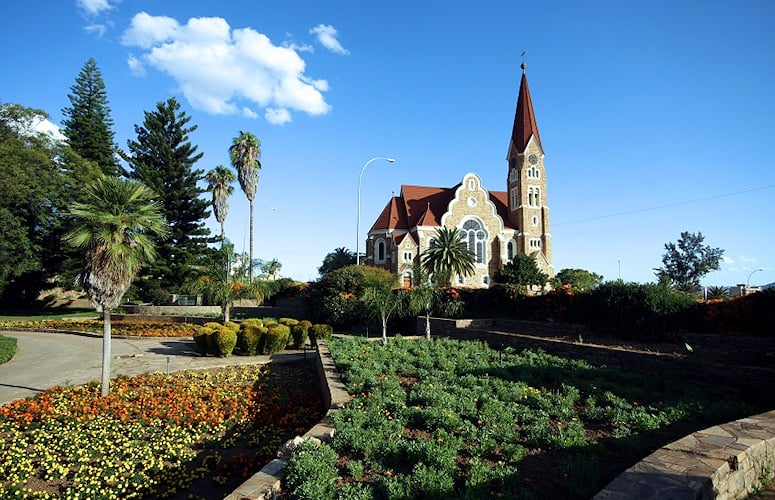
Windhoek developed around permanent springs that had long attracted people to the area. The modern city was established in 1890 during the German colonial period, when the Alte Feste was built. Today, historic buildings stand alongside the institutions, businesses and neighborhoods of Namibia’s modern capital.
Best Private Tours and Safari Packages
Windhoek is the starting or finishing point for many African Sky tours through Namibia. Private overland routes connect the capital with Etosha National Park, Sossusvlei, Swakopmund, Fish River Canyon and other major destinations across the country.
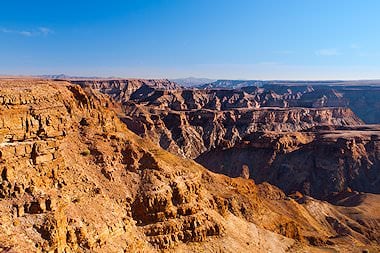
14 Day Namibia Private Overland Tour
Start and finish in Windhoek on a private tour through Sossusvlei, Swakopmund, the Skeleton Coast, Damaraland and Etosha.
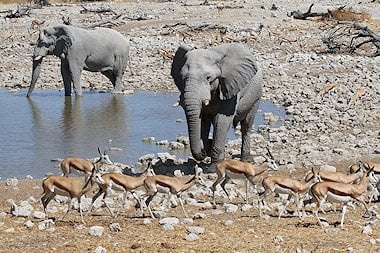
10 Day Northern Namibia Private Overland Tour
This private tour of Namibia briefly visits Windhoek before exploring the northern part of this wonderful country.
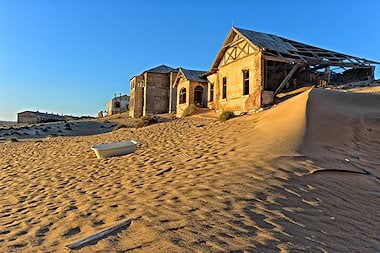
10 Day Southern Namibia Private Overland Tour
Explore southern Namibia from Windhoek through Fish River Canyon, Aus and Lüderitz before finishing among the dunes of Sossusvlei.


Experiences to Savor
Windhoek deserves time beyond the airport transfer. Historic landmarks, museums, restaurants, craft outlets and nearby nature reserves provide an introduction to Namibia before a longer tour begins or a final stop before flying home.
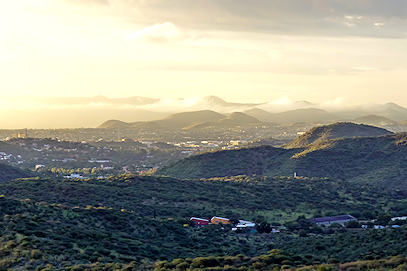
Explore the City Center
Christuskirche, Tintenpalast, Independence Memorial Museum and other landmarks lie within or close to central Windhoek. Exploring them provides a useful introduction to the city’s colonial history, independence and modern identity.
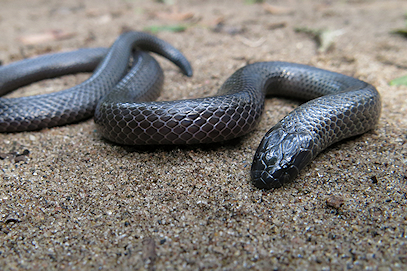
Views Over Windhoek
The Independence Memorial Museum offers elevated views across central Windhoek, including Christuskirche and the surrounding hills. It is a useful stop for both city views and an introduction to Namibia’s independence history.
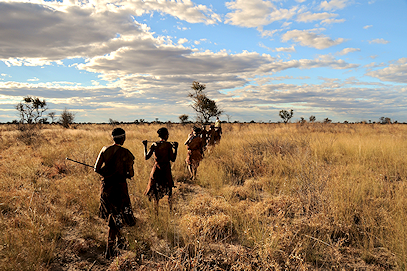
Khomas Highland Nature
A short drive beyond the city reaches the landscapes of the Khomas Highlands. Daan Viljoen Game Park provides opportunities for walking, birding and wildlife viewing only 24 km west of Windhoek.