• USD
  • EUR
  • GBP
  • AUD
  • CAD
  • ZAR

West Coast Fossil Park

Unearthing 5 million years of ancient history.
Help Me Plan

Fossilized Fauna: The Ancient Bears, Sabertooths, and Gigantic Pigs of Langebaan

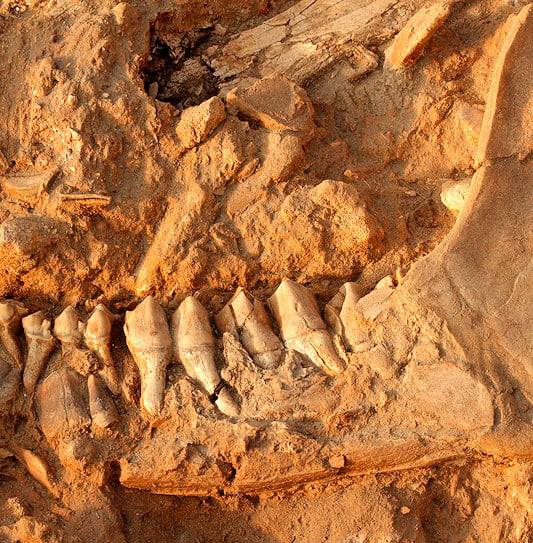
West Coast Fossil Park, just inland from the seaside town of Langebaan, offers a rare glimpse into Southern Africa’s distant past. At this active excavation site and interpretive center, visitors can see where rich deposits of Pliocene-era fossils were unearthed during former phosphate mining operations and learn how the region once supported forests, rivers and a remarkable variety of now-extinct animals.

Guided tours reveal exposed fossil beds and reconstructed scenes of ancient life, while the visitor center brings to life creatures such as three-toed horses, prehistoric giraffe, elephants and hyenas that once roamed this coastline. With additional walking and cycling trails and family-friendly activities, the park is an engaging stop on a broader exploration of South Africa’s West Coast.

Activity Type
Guided fossil site visit & museum experience
Typical Duration
2–3 hours including tour & exhibits
Primary Region
Near Langebaan on South Africa’s West Coast
Experience Highlights
Exposed fossil dig, paleo-displays & guided interpretation
Ideal For
Families, school groups & natural history enthusiasts
Best Combined With
Cape West Coast touring, wildflower season & coastal visits
On-Site Activities
Guided tours, hiking & mountain biking trails
Educational Focus
Pliocene fossils, ancient ecosystems & ongoing excavations
<

General Activity Information


Location and Setting

The West Coast Fossil Park lies a short drive inland from Langebaan and the Atlantic shoreline of South Africa’s Cape West Coast. Today the surrounding landscape is characterised by low fynbos, farmlands and coastal plains, but the fossils preserved here tell a very different story – one of ancient rivers, wetlands and woodlands that once supported an extraordinary diversity of animals.

The park combines an active excavation site with a modern visitor centre and interpretive displays, making it an easy and engaging stop on a broader West Coast journey. It is close enough to Cape Town for a long day trip, but also fits naturally into itineraries that include Langebaan, the West Coast National Park or the wildflower routes further north.

What to Expect During a Visit

A typical visit begins at the main visitor centre, where you receive an introduction to the geology and history of the area before moving on to the fossil dig site itself. Guided tours take you onto a covered viewing platform overlooking exposed fossil beds, with your guide explaining how the bones were discovered, extracted and dated, and what they reveal about the ancient environment.

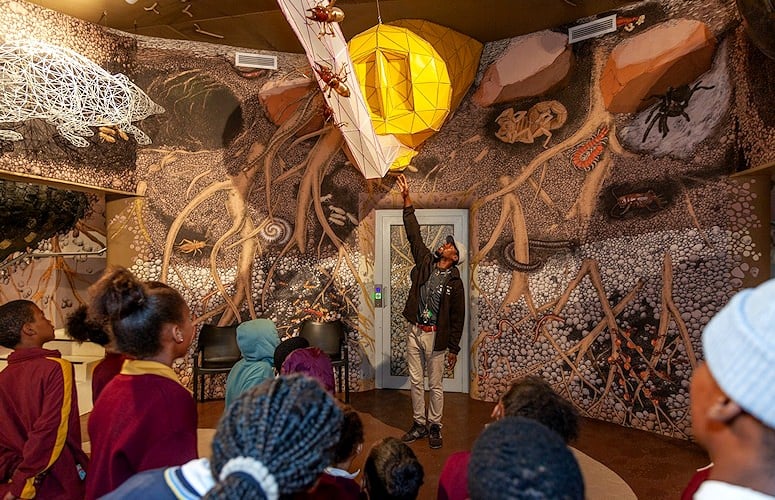
Inside the exhibition spaces, reconstructed skeletons, life-size models and interpretive panels bring long-extinct animals to life – from three-toed horses and sabre-toothed cats to ancestral forms of giraffe, elephants, antelope and hyenas. Between or after tours, visitors can enjoy short walking and cycling trails in the surrounding reserve, a café stop, and time for children to explore the more hands-on elements of the museum.

Who It Suits and Practical Notes

The West Coast Fossil Park is particularly well-suited to families, school groups and anyone with an interest in natural history, geology or palaeontology. Because most of the visit is centred around guided talks and indoor or semi-sheltered areas, it makes an excellent complement to more traditional outdoor sightseeing along the coast, and can be enjoyed in most weather conditions.

Comfortable walking shoes, a hat and sun protection are recommended, especially if you plan to combine the guided fossil tour with one of the short trails. Tour times and opening hours are structured, so it is worth planning your day’s route with a specific time slot in mind, allowing enough time to connect your visit with flower viewing, beach stops or wine estates in the wider region.

Riaan's Tips for Visiting the West Coast Fossil Park


1

Pair It with a Wider West Coast Day

Rather than treating the Fossil Park as a stand-alone stop, I prefer to weave it into a full West Coast outing. A very natural combination is a morning fossil tour followed by an afternoon in the West Coast National Park, or timing your visit during wildflower season so that you can enjoy both the ancient landscapes under your feet and the seasonal displays on the surrounding hills. This creates a satisfying contrast between deep time and the living coastline you see today.

2

Book a Guided Tour and Allow Unhurried Time

The site really comes alive in the company of a knowledgeable guide. I recommend joining one of the scheduled guided tours to the dig site rather than relying only on the static displays. Build in at least two to three hours so you are not rushed – this gives you time for the tour, a proper look through the exhibits, a coffee break and a short walk or ride on one of the marked trails if you wish to stretch your legs before continuing your journey.

3

Make It Interactive for Families and Enthusiasts

If you are travelling with children or keen natural history buffs, prepare a few simple “discoveries” in advance – for example, reading a short note on one or two of the key species found here, or asking younger travellers to spot differences between ancient and modern animals. The park lends itself to questions and curiosity, and a little groundwork turns an already interesting stop into something truly memorable and educational for the whole group.

Last Updated: November 23, 2025 Curated By: Riaan Viljoen