- Home
- >
- African Safari
- >
- Elephant-Back Safaris
Ethical Viewing, Conservation, and Walking Safaris
Elephant encounters offer guests a respectful, ground-level experience with Africa’s largest land mammal. These interactions focus on education, conservation awareness and close-up observation rather than riding, ensuring that the welfare and dignity of the elephants remain the top priority.
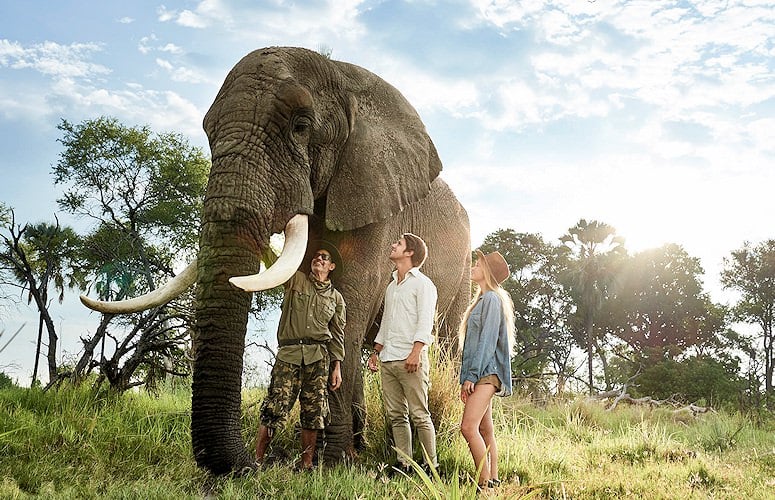
Hosted by professional guides and wildlife custodians, elephant encounters typically begin with a detailed introduction to each elephant’s background, behavior and conservation story. Guests may observe feeding sessions, touch the elephants under supervision and learn about their complex social structures, communication and habitat needs — all without intrusive activities like elephant-back rides.
General Activity Information
Area and Setting
Elephant encounters take place in carefully managed sanctuaries and protected wilderness areas across Southern Africa, including Zimbabwe, Zambia, Botswana and South Africa. These environments offer ample space for the elephants to roam, forage and interact naturally while giving guests a respectful, close-up experience. Unlike traditional elephant-back safaris, modern encounters focus entirely on observation and education rather than riding, ensuring that animal welfare remains central to every interaction.
Most encounters begin in a natural bush setting or at the elephants’ holding area, where guests are introduced to the individual elephants, their history and their daily routines. The surrounding terrain may include riverine forests, open savannas or mopane woodland, giving you the chance to observe elephants behaving calmly and naturally within their familiar environment.
What to Expect During an Elephant Encounter
Experiences typically start with a thorough briefing on safety, elephant behavior and ethical interaction guidelines. Under the supervision of trained handlers and conservation guides, guests may walk alongside the elephants, watch them feed, touch their trunk or skin, and learn how they communicate using rumbling calls, scent and body language.
Guides share insights into elephant conservation, the challenges of human–elephant conflict, rehabilitation efforts and the stories behind each elephant in the herd. The atmosphere is calm and immersive, allowing time for observation, photography and quiet moments in the company of these remarkable animals. Every encounter is designed to minimize stress and prioritize elephant dignity.
Best Time of Day and Year
Elephant encounters are offered year-round and are typically scheduled in the early morning or late afternoon, when temperatures are cooler and the elephants are most active. These periods offer softer natural lighting for photography and a more comfortable experience for both guests and animals.
While encounters are not season-dependent, the dry season (roughly May–October) often provides clearer visibility and easier access to certain viewing areas. African Sky consultants can guide you toward the best regional options based on your itinerary and the style of elephant interaction you prefer.
Riaan's Tips for Elephant Encounters
Respect Their Space and Body Language
Elephants are intelligent, emotional animals with clear body signals. Pay close attention to your guide’s instructions and the elephants’ behavior. Calm, slow movements help the elephants feel at ease and allow you to enjoy more natural interactions.
Wear Neutral Clothing and Be Camera-Ready
Avoid bright colors and loose items that may attract attention. Earth tones blend into the bush and keep the environment calm. Keep your camera or phone ready — close-up photos of the elephants’ textured skin, eyes and trunks make incredible memories.
Choose Ethical, Welfare-Focused Operators
Ensure that your elephant encounter avoids riding and prioritizes conservation. Reputable sanctuaries focus on protection, education and natural behavior. When you choose responsible experiences, you’re directly supporting long-term elephant welfare and habitat protection.