


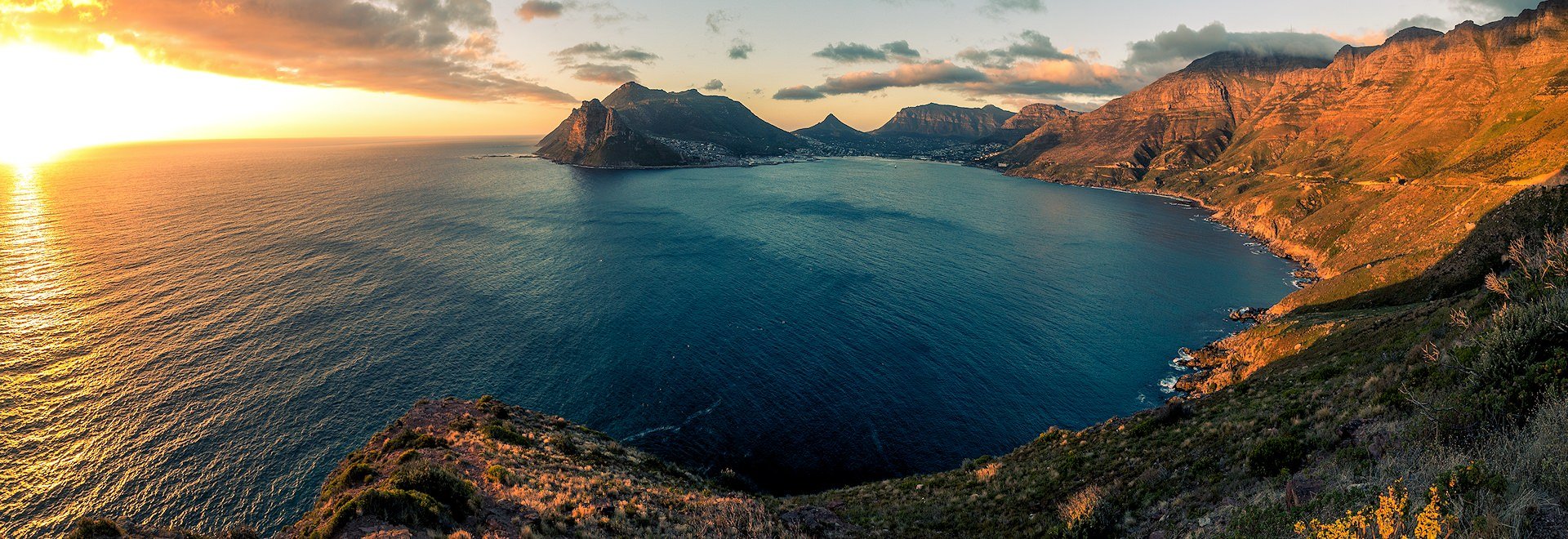
South Africa offers diverse regions and cultures and a variety of tour options.
Whatever your interests, South Africa will likely have destinations and activities that appeal to your unique tastes. The country is a traveler's delight, from isolated wilderness areas to bustling cities, and many exciting towns and villages.
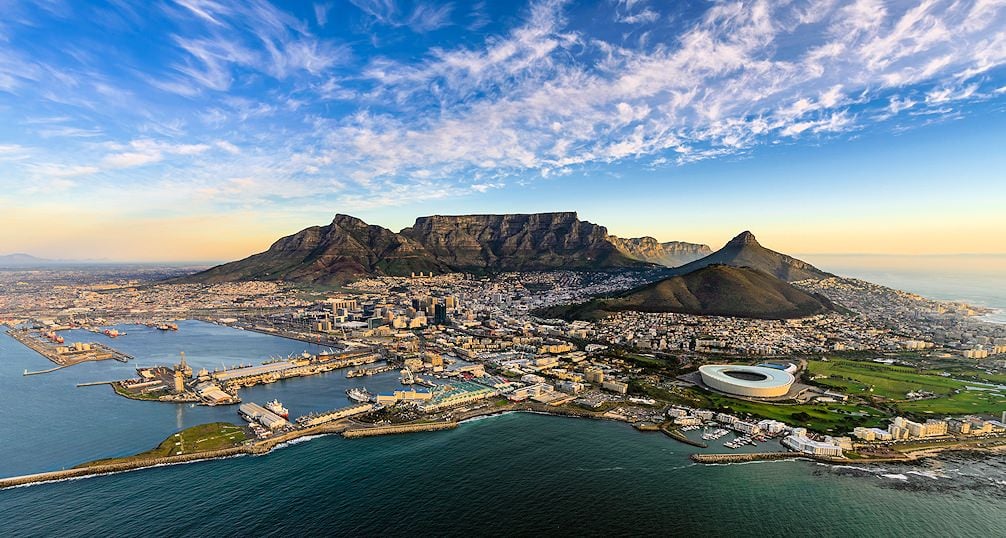
The Fairest Cape—Tours of the Mother City
“...a most stately thing and the fairest cape we saw in the whole circumference of the earth.”—Sir Francis Drake, June 18, 1580
It's become quite clear that any year is a good year to visit Cape Town. South Africa's “Mother City” never fails to earn a mention on the annual “best in travel” lists. Most recently, Cape Town secured a spot in the top 10 of Time Out’s World’s Best Cities for 2026 and was named the #1 City in the World by the Telegraph Travel Awards for the seventh time. It remains a fixture on the Condé Nast Traveler’s Gold List, frequently outranking major global hubs like New York, Paris, and Tokyo for its unique blend of natural beauty and urban sophistication.
So what's new in this ever-evolving bucket list destination? Well, a major highlight is the iconic Zeitz Museum of Contemporary Art Africa (MOCAA), the world's largest museum of contemporary African art and a post-industrial architectural marvel occupying a century-old grain silo. The museum, heralded as South Africa's answer to the MoMA or the Tate Modern, has cemented the city's status as a cultural mecca. The upper parts of the historic silo house The Silo Hotel, an ultra-luxurious address which has become one of the most prestigious flagship properties in the Southern Hemisphere.
In the meantime, a wealth of fine hotels and guest houses continue to bend over backwards for guests to our shores. The exclusive Ellerman House, an exceptionally managed boutique hotel, continues to sweep the Condé Nast Traveler Gold List and remains a perennial favorite in the Readers' Choice Awards. The Ellerman House team is as attentive to guests' needs as ever and blessed with an enviable Bantry Bay view.
On the more moderate end of the spectrum, another Cape Town property that continues to impress on an international plane is 2inn1Kensington, a personal boutique hotel tucked away in Gardens in the heart of the city. The stylish property is a firm favorite amongst travelers, earning consistent high rankings for its intimate setting and impeccable service at astonishingly affordable rates.
If it's your first trip to Cape Town, there are a few must-do activities: Table Mountain (cable car round-trip or hike—both are wonderfully exciting!), the ferry trip to and tour of Robben Island, and exploring the circumference of the Cape Peninsula (including stops at Boulders Beach, the Cape of Good Hope Nature Reserve and driving along Chapman's Peak). If it's your second or third trip, you may even wish to revisit these much-loved destinations. We typically recommend a minimum of three nights in Cape Town, but would never impose a maximum—there really is so much to do and enjoy.
Major annual events to look out for include the ever-popular Kirstenbosch Summer Sunset Concerts (typically held every Sunday from December to April), the Investec Cape Town Art Fair (February), Cape Town Carnival (March), and the Cape Town International Jazz Festival (typically March or April).
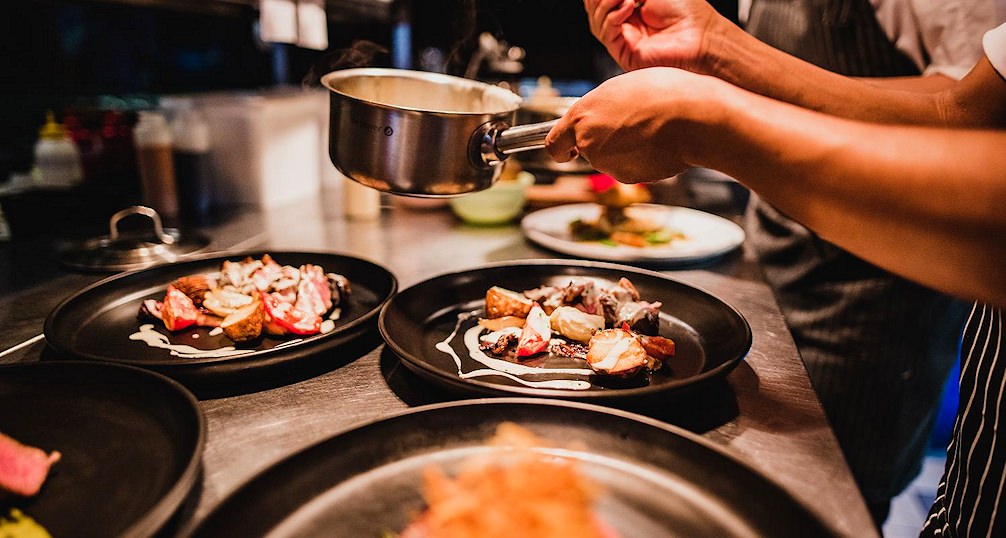
Culinary Culture—South African Food Tours
“There is no love sincerer than the love of food.”—George Bernard Shaw
South Africa is no longer an up-and-coming culinary destination—it is an established one. Cape Town's culinary scene was famously put on the map by the legendary Test Kitchen, which paved the way for current global stars like FYN and La Colombe. Today, Constantia's La Colombe continues this legacy of excellence, recently ranking as the top South African restaurant in the World's 50 Best Restaurants list and maintaining its position as a premier global dining destination.
The Saxon remains the finest hotel in South Africa's “richest square mile” in Johannesburg. While its culinary offerings continue to evolve, the property itself remains a highly lauded destination for fine dining and world-class luxury, having garnered numerous accolades at the World Travel Awards.
Beyond the inherent vibrancy of Cape Town and the cityscape hustle and bustle of Johannesburg, South Africa's other fine-dining institutions are countryside establishments. The vast majority of these are wine country staples tucked away amidst the rolling valleys and mountains of Franschhoek, Stellenbosch and Somerset West, where you really can't go wrong.
Culinary experiences need not be limited to fine-dining, however. A prolific market culture has erupted across South Africa, presenting the public with some of the tastiest, most wholesome and unique fare imaginable. The most famous of these remains the Neighbourgoods Market at the Old Biscuit Mill in Cape Town.
Held every Saturday and Sunday, this market has become an established melting pot of specialty foods and a platform for emerging artisans. This is the type of event that you make an entire morning of. Get there early before the good stuff sells out—odds are that you'll be competing more with local regulars than with fellow travelers!
If you're looking for something quieter than Neighbourgoods in the Cape Town area, many avid market-goers frequent the Bay Harbour Market in Hout Bay, which operates on Friday evenings, Saturdays, and Sundays. Sundays tend to be more relaxed—you'll likely be able to find a seat, so that you can sit down and enjoy your gourmet fare. Whichever market you elect to visit, you'll find that most offerings have an inherently local element. You'll certainly find a lot more authenticity and a fantastic atmosphere than at more commercial institutions.
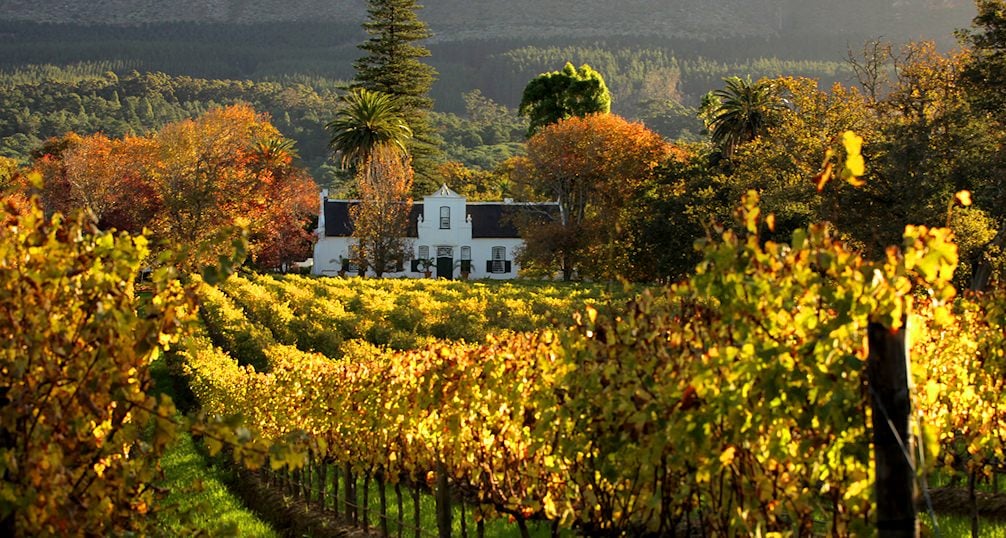
Of award-winning vintages and other delicacies—Celebrations in the Winelands
“Drinking good wine with good food in good company is one of life’s most civilized pleasures.”—Michael Broadbent
The Boland really is a year-round destination for a South African tour. During the winter months, you can cozy up to the fireplace of a tasting room at a world-class wine estate, sip on full-bodied reds and relish delicious fare to complement the bouquet. Summer sees the jubilation of the harvest season, with a series of colorful festivals, fruit-picking and balmy weather.
The most significant summer events typically include the Stellenbosch Harvest Parade (end of January), Franschhoek Summer Wines (early February) and the Stellenbosch Wine Festival (end of February). These are your quintessential, straightforward Winelands festivals, focused on the celebration of the region's finest ambrosial cultivars and award-winning estates.
While most of the key wine-oriented festivals and harvest parades occur in the summer, autumn and winter see more niche festivals like the South African Cheese Festival (end of April), the Franschhoek Literary Festival (mid-May), and the Bastille Day Festival in Franschhoek (mid-July).
The South African Cheese Festival is hosted annually outside Stellenbosch during the last weekend of April. Not only can visitors expect an extraordinary variety of locally produced cheeses, but also a sampling of the region's finest wines, fresh fruit, homemade preserves and snacks. Festive activities include demonstrations of tasty dishes and performances by talented local musicians and bands.
The Franschhoek Literary Festival—held during the third weekend of May—is a celebration of books and writers that is very popular amongst local bibliophiles and authors. If you harbor a deep interest in local South African culture, current affairs and African writers, you may find this festival incredibly rewarding. Even outside of festival dates, you'll find that you cannot separate Franschhoek from its culinary and wine culture. They are as part of the town as the Huguenot Memorial.
Speaking of, Franschhoek's annual Bastille Festival is essentially an homage to the town's French Huguenot founders. Typically celebrated the weekend closest to France's National Day (14 July), you'll find the town awash in red, blue and white. The main drawing card is the festival's Food and Wine Marquee, where you can enjoy the most beguiling blend of local and French flavors from all the finest local wine estates and eateries.
There is typically always something happening in the Winelands, so if you are after a bit more excitement during your visit, be sure to check the calendar beforehand.
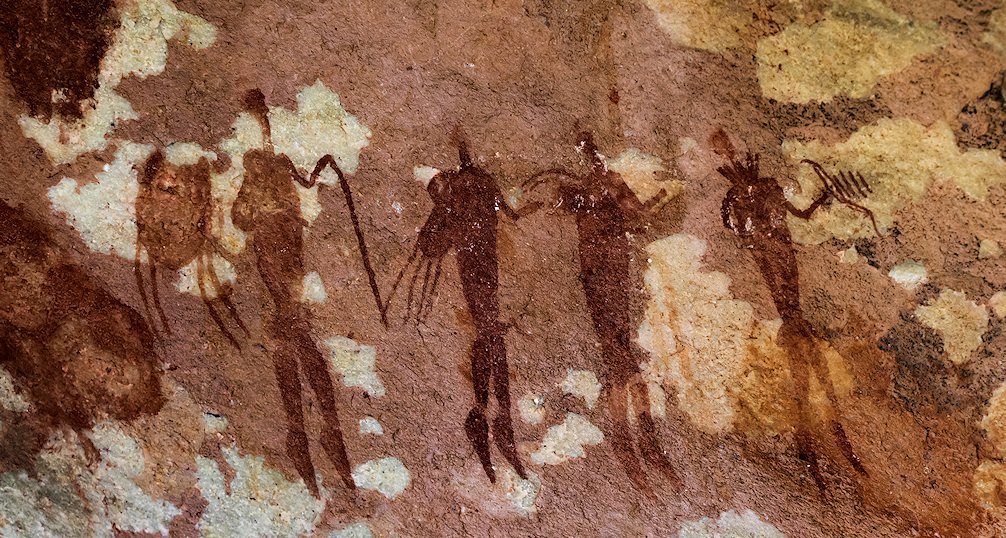
Blast from the Past—Archaeological Tours in South Africa
“All of humanity shares an African heritage. We are one, diverse species across the globe, with our roots in Africa.”—Written on a wall at the Cradle of Humankind’s Maropeng Visitor Center.
While you are unlikely to make any grand, historical discoveries of your own, touring South Africa's remarkable archaeological sites is sure to be an enlightening and rewarding experience nevertheless. This is, after all, the “cradle of humankind”, where Homo sapiens can trace its ancient origins.
The UNESCO World Heritage Site known as “The Cradle of Humankind” has a long history of international acclaim and is consistently featured as a "must-visit" by National Geographic and UNESCO for its contribution to the story of humanity. The 47,000-hectare site is a mere hour's drive from South Africa's capital city, Pretoria, and the metropolis of Johannesburg. It sits near the Magaliesberg Mountains, which are almost 40 times older than Everest and harbor an intrinsically venerable element nonetheless.
The site's key attractions are the Sterkfontein Caves, where the most significant excavations have taken place, and the Maropeng Visitors Center, which offers fascinating insight regarding the fossils discovered and the early history of our extraordinary planet.
The center is very much family-oriented, to ensure that the younger generation will engage with and take away important and amazing facts. Highlights include a short but exciting boat trip introducing visitors to the elements—wind, water, fire and earth—and an introduction to DNA, evolution, and prehistoric animals.
A major highlight for most visitors remains the descent into the Sterkfontein Caves. Now managed entirely by the University of the Witwatersrand, the site offers a reimagined visitor experience that brings the public closer to active “live science.” Wits scientists are credited with many of the most significant discoveries, including the world-famous “Mrs Ples,” “Little Foot,” and the headline-grabbing species, Homo naledi.
A specialist guide will highlight the excavation stories and unique formations within these sprawling limestone caves. Beyond the extraordinary facts presented, the tour is an adventure in itself—requiring a bit of clambering on occasion! Note that since its reopening, the caves are managed as a separate experience from the Maropeng Center, so be sure to check booking requirements for both.
The Cradle is by no means South Africa's only archaeological drawing card. Take a look at our 10-Day South African Rock Art Tour for an exquisite exploration of the country's most noteworthy rock art sites, from the peaks of the Drakensberg Mountains to the otherworldly landscape of the Cederberg.
Such South African tours have become increasingly popular. This is evident in the fact that the Cederberg's Bushmans Kloof Wilderness Reserve—the site of more than 130 unique rock art sites— was recently voted among the top resorts in South Africa by the 2025 Condé Nast Traveler Readers' Choice Awards, continuing its legacy as one of the most highly-rated properties in the country.