• USD
  • EUR
  • GBP
  • AUD
  • CAD
  • ZAR

Zimbabwe'sHwange National Park

Help Me Plan

Hwange National Park Destination Guide

Hwange National Park is the largest reserve in Zimbabwe, covering 14,651 km² between Bulawayo and Victoria Falls. Proclaimed a game reserve in 1928 and later established as a national park, it lies on Kalahari sands with teak and mopane woodland, open savanna, and seasonal pans that sustain wildlife through the dry months.

Getting to Hwange National Park

By Air: Some lodges have airstrips for light aircraft. Charter flights usually connect from Victoria Falls or Bulawayo, depending on your itinerary. The park is also accessible by tar road from Hwange town. A 4x4 is required for tougher sections, especially in the rainy season when muddy roads become challenging.

Weather & Best Time To Visit

The park is open year-round. Prime game viewing is from July to October in the dry season, when thinning vegetation and pumped waterholes concentrate wildlife. From late November to March the veld turns lush for excellent summer birding and dramatic afternoon storms. Expect very hot summer days and cold winter nights on Kalahari sands.
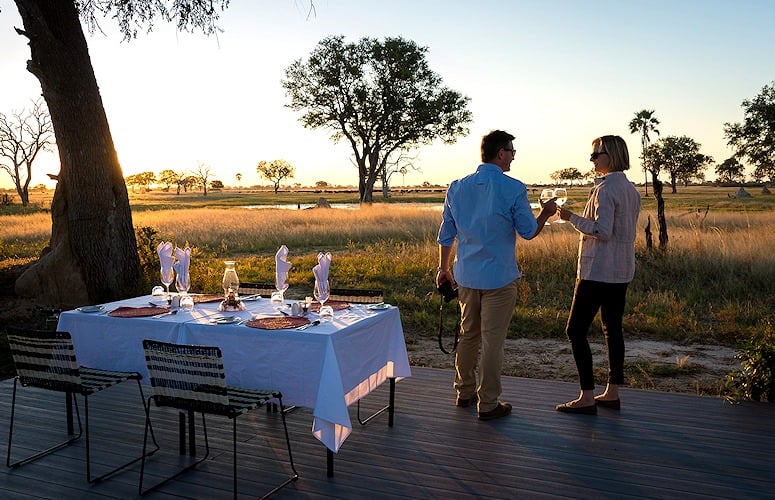
Seasonal rivers drain the north and far south, while most areas rely on natural seeps and pumped pans and dams—ideal for game viewing in the dry months. All-inclusive safari lodges like Somalisa and The Hide offer access to wilderness activities including guided bush walks, game drives, and night drives. Summer brings superb birding.

Location
Matabeleland North
Size
14,651 km²
Established
1928 (reserve); 1930 (park)
Mammal Species
100+
Bird Species
~400
Best Season
Jul–Oct
Top Activity
Game drives
Signature Species
African wild dog

Reasons to visit Hwange

1

Gentle giants

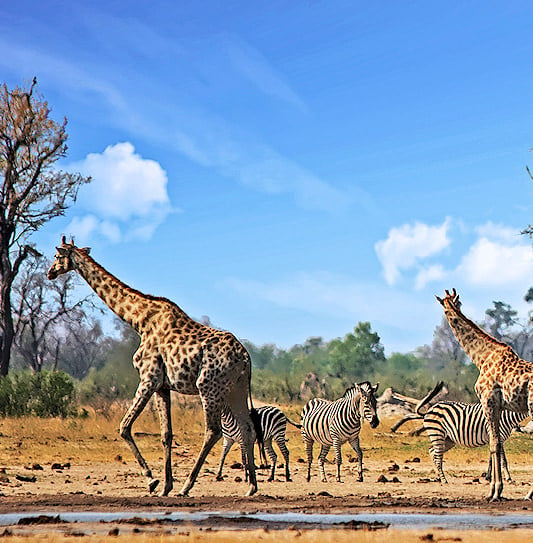
The park is renowned for large elephant herds in the dry season from April to early November. As elephant travel to pans near camps, it’s easy to observe interactions between herds; with the first rains, calf births increase. Other big game includes buffalo and giraffe.

2

Predators galore

Hwange is home to predators like lion, leopard, and cheetah. Although leopard and cheetah are elusive, these striking cats are occasionally seen patrolling territory edges. Young antelope provide prey at the start of the rains. Hwange also holds one of Africa’s largest populations of the African wild dog.

3

Less is More

This park hosts not only impressive large game but also many smaller species. When larger animals move into dense mopane woodland, keep an eye out for bat-eared fox, steenbok, and aardvark. Birders will delight in roughly 400 bird species that gather around waterholes in the hot summer.

Start Planning

Experiences to Savor

What you'll undoubtedly savor most in Hwange National Park is the reserve's authentic wilderness and abundance of wildlife. Some unique experiences include walking safaris and fishing in the waterways.
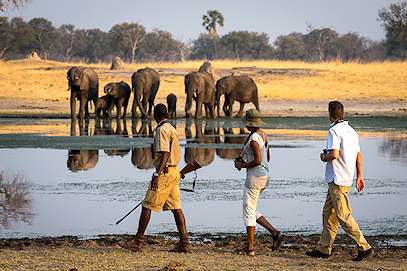
Wild Immersion

Visitors can join guided walks through untouched landscapes, and many concessions offer moonlight game drives for night owls. Hwange has dozens of water sources, making wildlife sightings common around pans and waterholes.
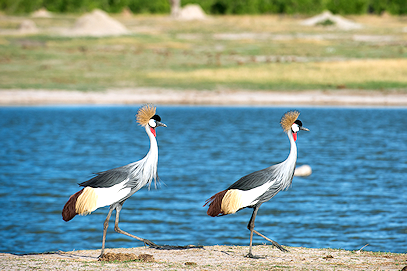
Water World

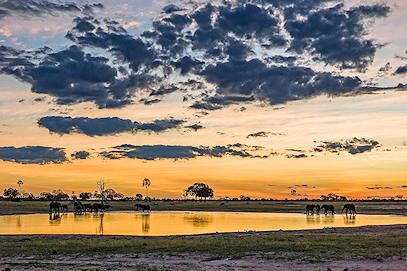
In the late 1920s, first warden Ted Davison established over 60 artificial pans across the park, boosting wildlife numbers and producing spectacular dry-season viewing around waterholes. Many waterholes are near camps, supporting superb camp-based game viewing as well.
Angler's paradise

In designated areas where permitted, visitors can cast a line in natural pans, rivers, or dams. The waters and sounds of the veld soothe the soul, with chances to land local fish species adding to the experience.

Useful Information

Wildlife

Hwange supports one of the continent’s notable African wild dog populations. You can also spot other predators like lion, leopard, cheetah, and the rare brown hyena. In the dry months, expect abundant elephant, buffalo, and smaller herbivores such as zebra, impala, kudu, and gemsbok. Over 400 bird species frequent the park in summer.

Vegetation & Terrain

Hwange lies on the border of the Kalahari Desert’s deep sands. The park blends grassland, savanna, and woodland with shrubs and teak. During the rainy season the veld is lush and green, while winter leaves it dry and brittle. Natural seeps and pumped pans sustain wildlife where rivers are absent.

Activities

The park is vast, with extensive gravel roads for scenic drives between coffee stops and picnic sites. Guided wildlife walks, moonlight game drives in concessions, fishing where permitted, and bird watching are among the most popular activities.

Last Updated: November 21, 2025 Curated By: Riaan Viljoen