• USD
  • EUR
  • GBP
  • AUD
  • CAD
  • ZAR

Zambia's Mosi-oa-Tunya National Park

Help Me Plan

Mosi-oa-Tunya National Park Destination Guide

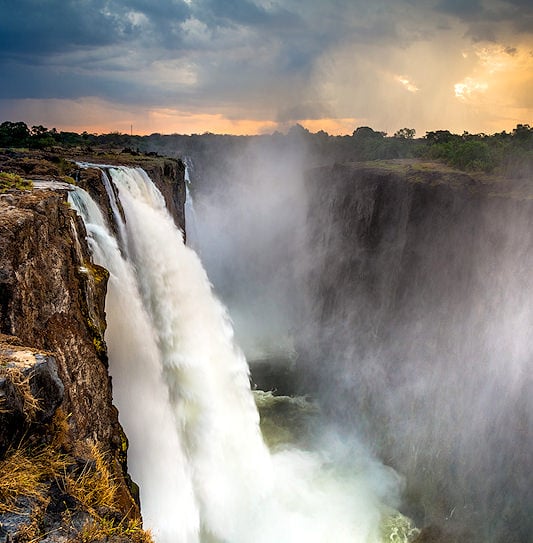
Mosi-oa-Tunya—“the smoke that thunders”—protects the Zambian side of Victoria Falls and a strip of Zambezi riverbank. At just 66 km², it is Zambia’s smallest national park yet one of its most visited. Spray forests, viewpoints and easy access to river wildlife make it ideal for pairing with Chobe or the Lower Zambezi.

Getting to Mosi-oa-Tunya National Park

By Air: Mosi-oa-Tunya sits on the banks of the upper Zambezi in Zambia. Guests are welcomed at OR Tambo International Airport in Johannesburg and assisted to a cross-border flight to Livingstone, Zambia. The airport is approximately 10 km from the park, and the drive can take up to half an hour.

By Road: Guests are transported from Livingstone Airport in a private, air-conditioned vehicle by an experienced guide. The drive to area lodges is a relaxed introduction to the environment and offers chances to spot wildlife en route.

Weather & Best Time To Visit

Timing depends on what you want to see. For the **Falls at peak flow**, visit in **March–April** when spray is immense (some trails such as the Boiling Pot/Devil’s Pool may be inaccessible). For **game viewing**, the **dry months** bring wildlife to water sources and offer clearer sightings; winter evenings can be chilly, while summers are hot and sometimes humid.

Spray forests flourish near the Falls; on the Zimbabwe side the famous rainforest lies opposite the Main Falls, with pockets of spray woodland on the Zambian side near the Eastern Cataract. Plan for wet walking conditions during peak flow.
This sanctuary protects Zambia’s only white rhino population. Other wildlife includes zebra and giraffe, and seasonal elephant along the river. On drives by the Zambezi you’ll often see hippo in channels and crocodile on sandbanks, plus bushbuck, vervet monkey and notable birds such as African finfoot and, rarely, Taita falcon.

Country
Zambia
Size
66 km²
Established
1972
Raptor Species
35
Famous Feature
Victoria Falls
Best Falls Flow
Mar–Apr
Best Wildlife
Jun–Oct
Top Activity
River safari

Reasons to visit Mosi-oa-Tunya National Park

1

Skip the Line

Roads can be busy near the Falls, but canoeing gives a quiet perspective along channels lined with riverine woodland. It’s also a great way to appreciate spray forests fed by the waterfall’s mist.

2

Personal Touch

Local conservation and education projects operate around Mosi-oa-Tunya. Encounters are regulated; always follow ethical-wildlife guidance and operator rules to minimize disturbance and prioritize animal welfare.

3

Picture That

Beyond the awe-inspiring Victoria Falls, the park offers rhino tracking, classic river sunsets and viewpoints over the Batoka Gorge.

Start Planning

Experiences to Savor

Along the Zambezi, river trips reveal hippo and crocodile at eye level, while viewpoints capture the spray and rainbows rising from the gorge at peak flow.
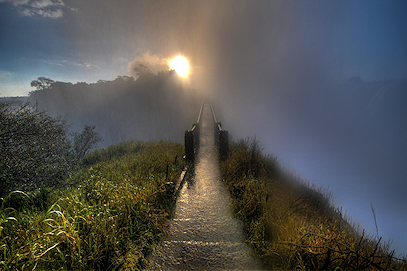
Smokescreen

The ever-present precipitation of Victoria Falls is seen and felt throughout the area. White “clouds” billow from the gorge and feed lush spray forests that frame many viewpoints.
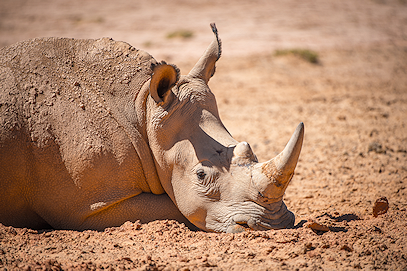
Committed to conservation

Rhino reintroductions have faced challenges, but determined management continues anti-poaching and monitoring. Today this is the only place in Zambia to seek white rhino on guided walks.
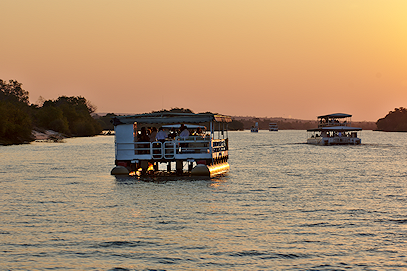
Rolling down the river

If you haven’t experienced a river safari, this is a great place to start. The Zambezi teems with life, and views of riverine woodland and floodplain are memorable in all seasons.

Useful Information

History

Mosi-oa-Tunya is the heritage name for Victoria Falls. David Livingstone first recorded seeing the waterfall on 16 November 1855 and named it for Queen Victoria. The wider transboundary site is now a UNESCO World Heritage property shared by Zambia and Zimbabwe.

Archaeological sites near the Falls span early Stone Age to Iron Age periods. The first bridge at the Falls was completed in 1905, enabling rail, road and foot traffic; it remains the only rail link between Zambia and Zimbabwe and one of three road links across the river.

Wildlife

Poaching pressure has impacted rhino, so protection is intensive. Other wildlife includes Angolan giraffe, Grant’s zebra, warthog, buffalo and impala. African elephant often cross the river; hippo and Nile crocodile line the banks. Chacma baboon and vervet monkey are common, and lesser-seen species include klipspringer and African clawless otter. More than 350 bird species—about 35 raptors—are recorded, and African finfoot is a sought-after special.

Vegetation & Terrain

The park encompasses the Falls and approximately 12 km of Zambezi river frontage. The narrow river here historically enabled elephant crossings at Old Drift. The waterfall’s spray creates pockets of rainforest-like vegetation, including ivory palm. In drought years, vegetation suffers as it relies on constant spray. Around the river are mopane, miombo and Rhodesian teak woodland and scrub savanna.

Downstream, the river pours through a series of gorges: the first is the current plunge into the gorge at the Falls, followed by the Second, Third, Fourth and Fifth Gorges, and the Songwe Gorge—each marking a previous position of the Falls.

Activities

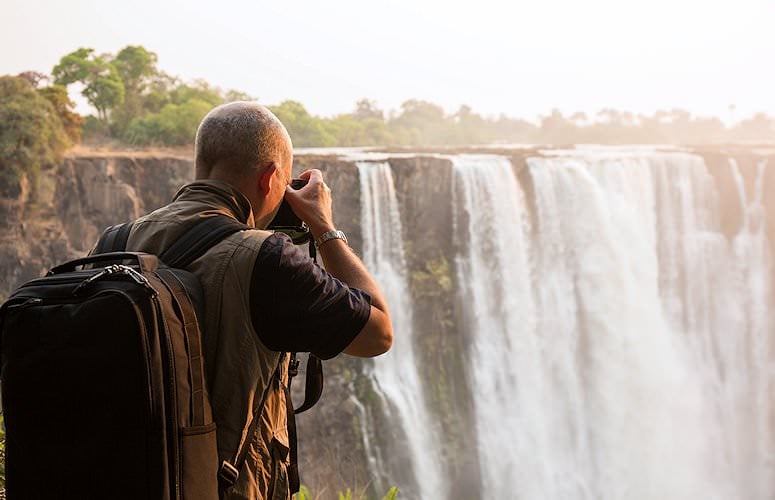
Visitors quickly see why “The Smoke that Thunders” inspires superlatives. Trails, viewpoints and bridges offer close encounters with spray and thunder. In the right light, circular rainbows are possible. Open-vehicle game drives run morning and late afternoon; armed rangers accompany walking safaris. Birders find a compact but rewarding checklist along river and woodland.

River experiences include boat cruises and canoeing for quiet wildlife viewing. Fishing and photographic outings are available with licensed operators; always follow park guidelines and seasonal safety advice.

Last Updated: November 21, 2025 Curated By: Riaan Viljoen