Swartberg Pass
Help Me Plan- Home
- >
- African Travel
- >
- South Africa
- >
- Attractions
- >
- Swartberg Pass
Conquer the Swartberg Pass
This legendary gravel pass links Oudtshoorn and Prince Albert across the Swartberg, revealing dramatic quartzite folds, steep hairpins, and sweeping Little Karoo vistas. Use this guide to plan the best season to drive, understand road conditions, and choose safe viewpoints so your journey feels unhurried, informed, and unforgettable.
Plan Your Drive: Seasons, Safety, and Stops
Driving Conditions and Safety
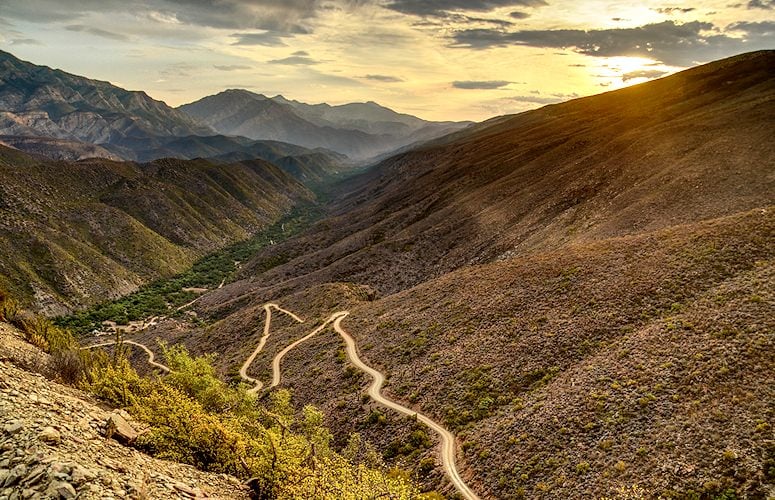
Expect a maintained gravel surface with steep gradients, tight hairpins, and occasional corrugations. Standard vehicles manage the route in dry weather, but reduced speeds, lowered tire pressures, and careful braking are essential. After heavy rain or rare winter snowfall, conditions can deteriorate quickly; check local advisories before departure. Keep headlights on, yield to uphill traffic where safe, and avoid stopping on blind corners. Cell reception is patchy, so download maps in advance and carry water. If you’re uncomfortable with mountain passes, consider a guided transfer.
Though the soil is not particularly rich or deep, fynbos and semi-arid Karoo flora carpet the Swartberg’s rocky slopes with the occasional protea—the national flower—jutting from the earth. The mountain trails are home to a variety of bird and mammal, from baboon, dassie, and klipspringer to sugarbird, martial eagle, and the Cape eagle-owl.
Geology, Flora, and Views
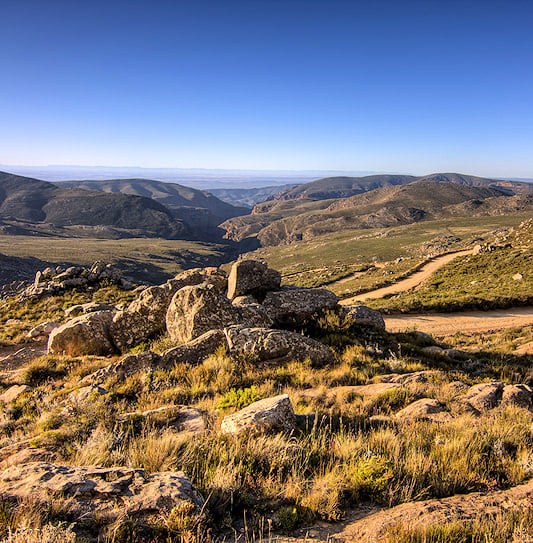
The Swartberg exposes spectacular quartzite layers of the Table Mountain Group, folded into dramatic ridges and cliff faces. Look for patterned strata on cuttings above the road and sweeping amphitheaters shaped by erosion. Despite shallow, stony soils, hardy fynbos covers slopes with protea and restio. Birdlife can include sugarbird and martial eagle, while agile klipspringer and dassie occupy rocky ledges. Several pull-offs provide safe vantage points; use them for photos instead of stopping mid-bend. Clear winter light often delivers the sharpest long-range views.
When to Go and What to Pack
Summer brings heat and more dust; mornings are calmer for photography and driving. Autumn and spring offer milder temperatures and dramatic skies. Winter can deliver crisp air and occasional snow on high ground; closures are possible. Wear sturdy shoes and a windproof layer, and pack sun protection, water, and snacks. A basic car kit—pressure gauge, spare, and jack—is wise on gravel. Plan your route to include a meal stop in Prince Albert or Oudtshoorn, and allow time for viewpoints without rushing the bends.