• USD
  • EUR
  • GBP
  • AUD
  • CAD
  • ZAR

Namibia's Fish River Canyon

Help Me Plan

Fish River Canyon Destination Guide

Carved through Namibia’s south, the Fish River Canyon is among Africa’s largest canyons and among the largest worldwide. Travelers come for sweeping viewpoints, a challenging 4–5-day hike from Hobas to Ai-Ais, desert-adapted wildlife, and the region’s famous hot springs—plus stark, otherworldly scenery that shifts with the seasons.

Getting to Fish River Canyon

By Air: Most visitors fly to Windhoek from Cape Town or Johannesburg. Your canyon time may be later in the itinerary, with the last leg handled by road transfer to the south.

By Road: One of our tour guides will transfer you in an air-conditioned vehicle from the airport or another stop on your safari route to the Fish River Canyon region in southern Namibia.

Weather & Best Time To Visit

Temperatures swing widely: very hot days and cold nights are common. Seasonal changes matter—when the river flows, nearby camps sometimes enjoy a slight breeze from deep in the canyon. Sun protection is essential year-round. Late summer can bring higher flows; winter is more temperate, but the river often becomes a chain of pools.

Beyond sunrise and sunset viewpoints, nature drives reveal desert-adapted wildlife, while guided morning walks highlight the canyon’s unique ecology. The multi-day Fish River Canyon hike is a bucket-list challenge for hikers worldwide.

Location
Southern Namibia
Area
5,900 km²
Length
160 km
Width
27 km
Depth
550 m
Hike Duration
4–5 days
Best Season
May–Sep
Signature Feature
Ai-Ais hot springs

Reasons to visit the Fish River Canyon

1

The View

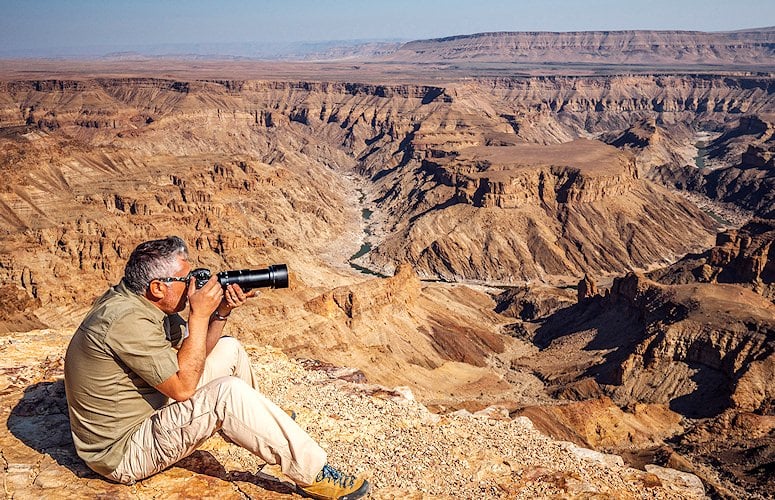
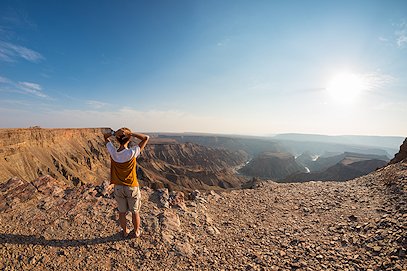
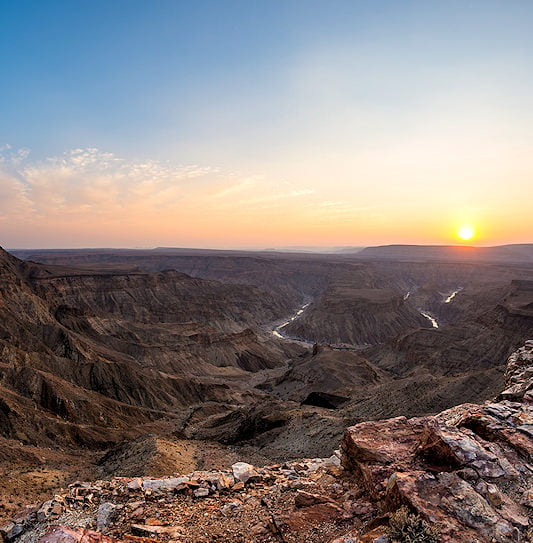
The canyon’s sweeping panoramas showcase the power of water over deep time—an African counterpart to world-famous canyons, with a raw, ancient feel. Sunrise and late-afternoon light bring out superb colors and photography.

2

Hiking & Trail Running

The curves and escarpments invite hiking, walking, and trail running. Multiple viewpoints and routes reward early starts and evenings when the heat eases.

3

Sulfurous Springs

Nearby sulfurous hot springs form striking pools and provide a restorative soak—another glimpse into the canyon’s harsh yet captivating environment.

Start Planning

Experiences to Savor at Fish River Canyon

Experiences are mainly terrestrial. Whether tackling the famed hiking trail, strolling the rim and viewpoints, or soaking in a sulfurous spring, you’ll savor the canyon’s spoils.

The Ultimate Hike

The Fish River Canyon is one of Africa’s top multi-day hikes, typically 4 to 5 days depending on fitness and group size. Sleep under the stars, take in towering cliff faces from the canyon floor, and test your limits along the 85 km route.

Sunrise Over the Canyon

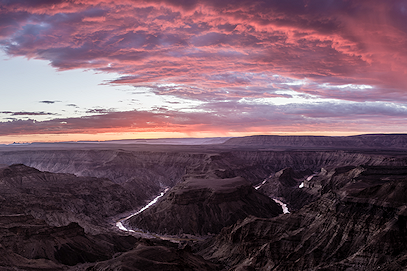
The colors that spill across the rock at first light make sunrise a near-spiritual moment. Arrive early at a viewpoint, breathe deeply, and enjoy the silence and scale.

Soak in a Spring

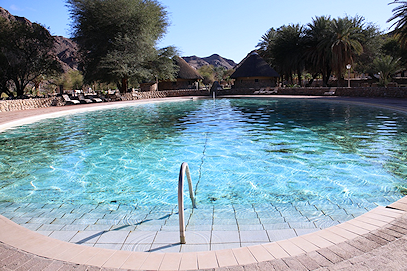
Ai-/Ais (“burning water”) refers to the sulfurous hot springs in the area. Experience the naturally warm, mineral-rich waters at the Ai-Ais Resort & Spa.

Useful Information

History

The canyon’s story spans hundreds of millions of years. Early graben formation and later glaciation shaped the landscape, while the breakup and uplift associated with Gondwana’s separation (Jurassic–Cretaceous) steepened gradients, allowing the Fish River to incise the modern canyon. In recent decades, the area has become a renowned hiking destination, including the annual Fish River Canyon Ultra Marathon.

Wildlife

Hardy shrubs and small plants underpin the ecosystem here. These support antelope and smaller herbivores, including a subspecies of mountain zebra endemic to Namibia and parts of South Africa’s Northern Cape. Klipspringer is also present, perfectly adapted to rocky cliffs with remarkable agility on steep faces.

Vegetation & Terrain

The Fish River Canyon—often described as one of the largest in Africa and among the largest worldwide—is a stark, rocky sculpture carved over immense timescales. Water is the defining force. From the air, vegetation is sparse; on the ground you’ll find tough, low-growing plants that minimize transpiration, with scattered succulents and drought-adapted trees.

Activities

If the full hike isn’t for you, shorter walks, sightseeing, stargazing, and game viewing are rewarding. The canyon’s scale and harsh beauty inspire a sense of wonder and curiosity around every bend.

Last Updated: November 21, 2025 Curated By: Riaan Viljoen