• USD
  • EUR
  • GBP
  • AUD
  • CAD
  • ZAR
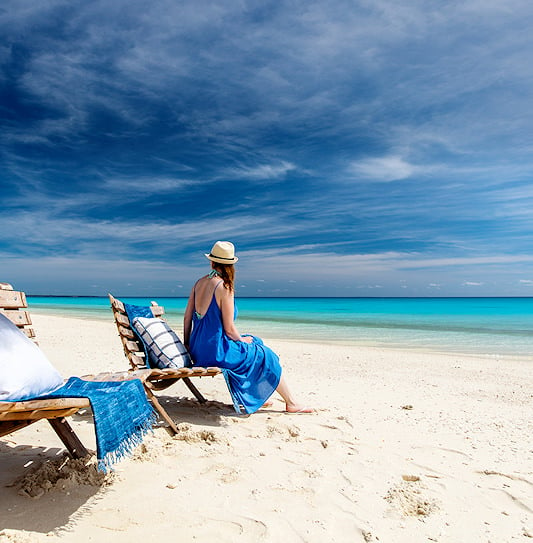
A woman enjoys a view of the turquoise ocean and white sand beach on vacation in Mozambique.

Mozambique TravelDestinations and Vacations

Help Me Plan

Mozambique Destination Guide

Mozambique has some 2,470 km of Indian Ocean coast, with coral islands, dhow harbors and a Portuguese and Swahili past. Travel advice for the north of the country has changed in recent years, and the current position is set out in the Safety section. Inland, Gorongosa and Niassa feature in our article on Mozambique's national parks and historic towns.

Getting to Mozambique

Vilankulo, also spelled Vilanculos (VNX), serves the Bazaruto Archipelago and has regular regional flights (including Johannesburg). Traditional dhows and motorboats connect to the islands. Pemba (POL) is the closest major airport for the Quirimbas Archipelago, with onward boat or helicopter transfers to island lodges; see the safety note below before planning a trip to the north.

Weather & Best Time to Visit

  • Dec–Mar (Wet season): Hot, humid, often rainy; cyclone risk highest Jan–Mar in the far north.
  • Apr–May: Rain eases; humidity drops and conditions improve.
  • Jun–Oct (Dry season): Prime time: clear skies, warm days, low humidity, minimal rain. Humpback whales migrate along the coast roughly Jun–Nov.
  • Nov: Transitional; typically hot and humid before summer rains.

Visa Information

Mozambique operates an eVisa / Electronic Travel Authorization (ETA) system and a visa-waiver for selected nationalities. Many others can obtain a visa on arrival (usually up to 30 days). Rules change periodically, so always verify current requirements and any ETA registration on the official portal before you travel.Official Mozambique Visa Information and Application Process.

Medical Considerations

Malaria occurs throughout Mozambique: consult your physician about prophylaxis and use repellents. Drink bottled or properly filtered water in rural areas and on remote islands. Ensure routine vaccinations (MMR, DTP, varicella, polio) are up to date; Hepatitis A and typhoid are commonly recommended for travelers.

Safety

Island lodges are generally secure, but normal precautions apply: keep valuables discreet, use in-room safes where provided, and follow lodge guidance for water activities and boat transfers.

Northern Mozambique: we do not currently advise a visit to the Quirimbas Archipelago, and our island lodges there, Azura Quilalea and Anantara Medjumbe, are temporarily closed and will reopen. The Quirimbas lie in Cabo Delgado Province, where the UK Foreign, Commonwealth & Development Office (FCDO) advises against all travel except to Palma town and the area around Pemba and Afungi, and against all but essential travel to those areas. In neighboring Niassa Province, camps in the Niassa Reserve were attacked in April 2025. This advice does not cover the Bazaruto Archipelago or southern Mozambique. Check the latest FCDO advice before you travel.

Traveling Around

Reaching islands typically involves boat, light aircraft, or helicopter transfers. Costs rise with remoteness, but the pristine reefs and beaches are the reward. Expect soft-luggage limits (often ~20 kg) on charter flights and certain boats/helicopters.

Top Travel Destinations in Mozambique

Mozambique’s two island chains lie more than a thousand kilometers apart: Bazaruto in the south, a short flight from Johannesburg, and the Quirimbas in the far north.
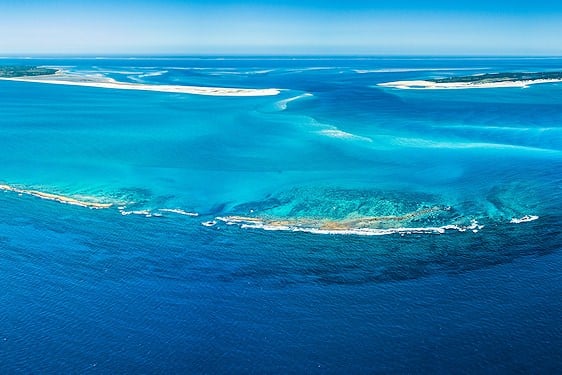
Aerial view of white sandbanks and shallow coral reefs surrounded by ocean waters.

Bazaruto Archipelago

Five islands off Vilankulo with dunes, sandbanks, Two Mile Reef and a rare dugong population.
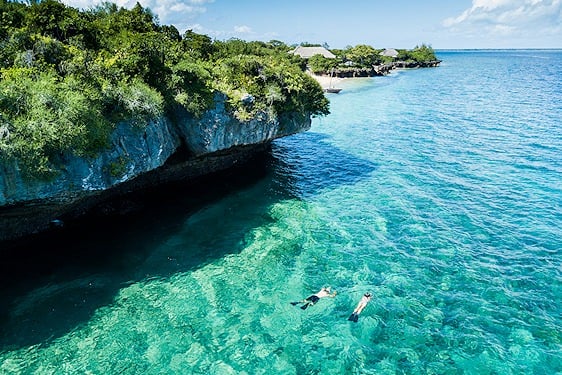
Two swimmers snorkeling in clear ocean water along a rocky cliff line.

Quirimbas Archipelago

Some thirty coral islands off Cabo Delgado; a visit is not currently advised and the island lodges are temporarily closed.

Mozambique Vacation Options & Travel Tips

Island stays in Mozambique work well on their own or after a safari in South Africa or Botswana.

Tours, Safaris & Honeymoons

Browse our thoughtfully crafted trips.

Tailor-Made Vacation Packages

Customize any itinerary to your pace.

Travel Tips & Advice

Handy info for a smooth trip.

Our Favorite Itinerary

10-Day Beaches & Big Five Honeymoon

Help Plan My Trip

Other Recommended Travel Destinations in Mozambique

Beyond the headline islands, Mozambique offers coastal towns and conservation areas worth adding to an itinerary.
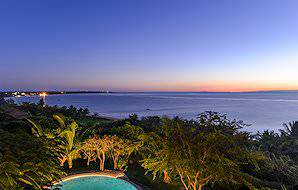
Evening view over a poolside terrace overlooking a calm ocean bay.

Vilanculos

Gateway to Bazaruto with beaches, boat charters, and a lively small-town vibe.
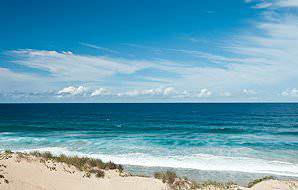
Sandy coastal dunes overlooking gentle ocean waves along the shore.

Inhambane

Near Tofo and Barra, famous for manta rays and seasonal whale shark encounters.
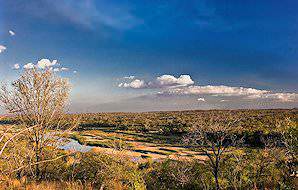
A river winding through the vast savanna landscape under a blue sky.

Gorongosa National Park

A restoration success story with growing wildlife populations, guided drives, and community-focused conservation.
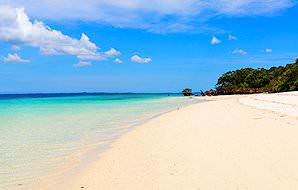
Clear turquoise water meeting a quiet white sand coastline lined with trees.

Pemba

Peninsula city on Pemba Bay and the gateway to the Quirimbas; the FCDO advises against all but essential travel to the Pemba area.
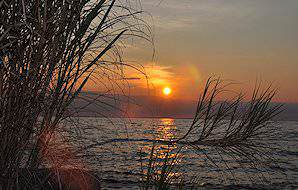
The sun setting over calm water behind tall grasses.

Niassa Special Reserve

One of Africa’s largest wild reserves (~42,000 km²). Elephant numbers fell sharply in the 2010s but anti-poaching has improved trends, and it remains a stronghold for African wild dogs. Camps in the reserve were attacked in April 2025; check current advice before planning a visit.
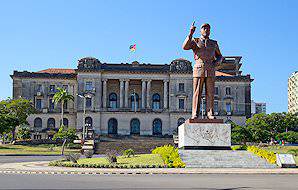
A bronze statue of Samora Machel standing in front of the municipal city hall building.

Maputo

Capital city and southern gateway; architecture, markets, and seafood. Formerly Lourenço Marques.
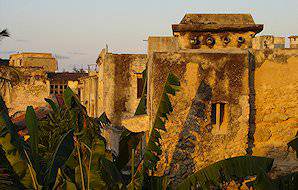
Weathered stone architecture surrounded by leafy banana plants.

Ilha de Moçambique

UNESCO-listed island with Portuguese and Swahili heritage, forts, and museums; colonial capital until 1898.
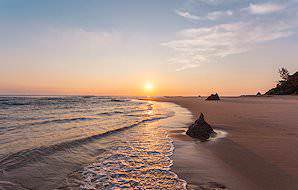
Ocean waves rolling onto a wide sandy beach at sunset.

Ponta do Ouro

Southern beach town near the South Africa border; known for dolphins, seasonal humpback whales, and diving.

Mozambique Travel Video & Facts

Coral reefs, island lodges and a long, little-developed coastline.

Mozambique lies on the southeastern coast of Africa. Tourism concentrates around offshore islands and the warm, clear waters surrounding them.

Capital City
Maputo
Size
total area ≈ 801,590 km² (309,496 sq mi); land area ≈ 786,380 km².
Coastline
≈ 2,470 km / 1,535 miles
Provinces
10 + Maputo City
Official Languages
Portuguese
Population (2025 est.)
≈ 35.6 million
Currency
Mozambican Metical (MZN)

Activities on the Coast

Mozambique’s coast is a playground of turquoise seas, coral reefs, and island adventures. Days can be as quiet or as busy as you like, from a morning dive on the reef to a dhow sail at sunset.

  • Snorkeling among vibrant coral reefs and tropical fish
  • Scuba diving with manta rays, turtles, and seasonal whale sharks
  • Island-hopping by traditional dhow or motorboat
  • Kayaking or stand-up paddleboarding on calm lagoons
  • Big-game fishing for marlin, tuna, and kingfish
  • Swimming with wild dolphins
  • Horseback riding along pristine beaches
  • Relaxing sunset cruises with cocktails and canapés
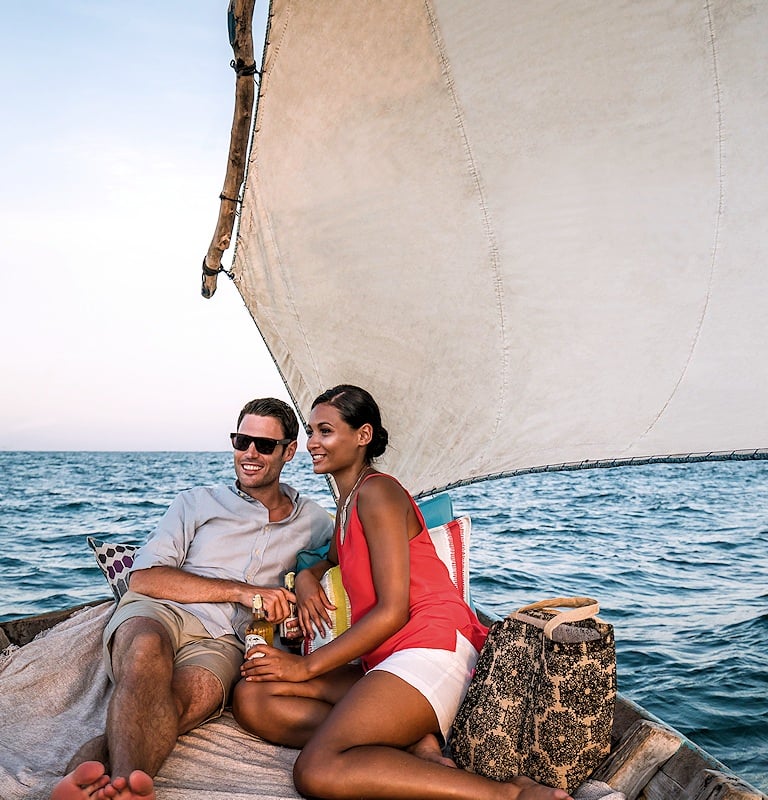
A couple relaxing aboard a dhow with drinks while sailing across open waters.

Foods to Try in Mozambique

An Indian Ocean pantry: seafood, coconut, and Portuguese-influenced flavors.
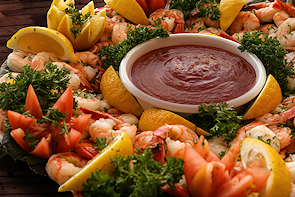
A serving platter garnished with lemon wedges and a center bowl of dipping sauce.

Prawns

Mozambican prawns are famous, grilled in garlic-lemon butter or spicy piri-piri and served in generous portions.
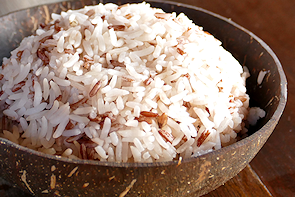
Steamed white and brown grains served in a carved shell bowl.

Coconut Rice

Coconut palms line the coast; coconut milk enriches staples like coconut rice, which goes well with seafood.
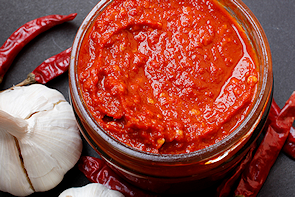
A glass jar filled with red chili sauce flanked by garlic and dried peppers.

Piri-Piri

The famed Portuguese-influenced chili sauce made with African bird’s eye chilies adds a piquant kick to chicken and seafood.
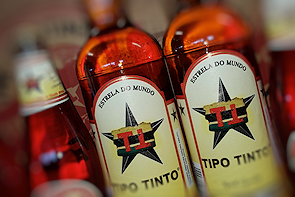
Glass rum bottles with red caps and branded labels.

Tipo Tinto

A much-loved local rum distilled from sugarcane, often mixed with raspberry soda, though preferences vary.

Mozambique Travel FAQ

What activities do vacation package prices include?

Most packages include non-motorized water sports (snorkeling, kayaking, stand-up paddleboarding). Some lodges add a motorized activity per stay (e.g., a boat excursion or dive). Check your specific inclusions/exclusions for gear, park fees, and any age or certification requirements.

Will I have mobile reception and Internet access?

Connectivity is good in towns and cities like Maputo, Vilanculos, and Pemba, but limited or unavailable at many island lodges. Expect Wi-Fi only in main areas and plan to download offline maps and documents in advance.

Will I have access to clean drinking water?

Yes. Reputable lodges provide safe bottled or filtered water, often via refill stations. Tap water quality varies elsewhere; when in doubt, stick to bottled or filtered water and avoid ice of unknown origin.

Is Mozambique expensive?

Island logistics (helicopters, boats, light aircraft) increase costs, especially in peak season (Jun–Oct). You can often save by traveling in shoulder months and bundling stays at the same lodge group for transfer discounts.

If I am staying on an island, how will I reach it?

Transfers are typically by boat, light aircraft, or helicopter, arranged by your lodge and subject to tides and weather. Soft-luggage limits (about 15–20 kg per person) commonly apply on charter flights.

What is the ideal duration for a vacation in Mozambique?

Allow at least 4–5 nights for an island stay to account for transfers. A classic beach break is 7–10 nights; plan 10–14 days if combining regions or adding a safari. Consider a buffer night near your international flight.

Where is the best place in Mozambique to go scuba diving?

The Bazaruto Archipelago is our choice at present, with healthy reefs and seasonal pelagics; the Quirimbas are not currently advised. Whale sharks are more likely Dec–Apr in several areas; humpback whales migrate offshore from about June to November.

Can I go scuba diving if I've never done it before?

Yes. Many lodges offer PADI Discover Scuba experiences and Open Water referral courses. You’ll complete a medical questionnaire; some conditions require a doctor’s clearance. Minimum age and depth limits apply for juniors.

Can I go on a safari in Mozambique?

Yes. Options include Gorongosa National Park, Maputo National Park, and Niassa Special Reserve. Wildlife densities vary, so many travelers pair Mozambique’s beaches with a Big Five safari in a nearby country.

What about land mines?

Mozambique declared itself free of all known land mines in 2015. As with any wilderness travel, stay on marked paths and follow local guidance.

Popular Activities

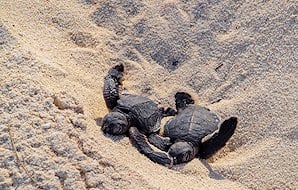
Two sea turtle hatchlings emerging from a sandy nest on the beach.

Visit Turtle Nesting Sites

Five species occur along Mozambique’s coast. In the south (e.g., Ponta do Ouro to Inhaca), loggerhead and leatherback nesting peaks around Oct–Jan, with hatching Dec–Apr. Some northern islands host green and hawksbill nesting. Excursions often run at night with strict guidelines to minimize disturbance.
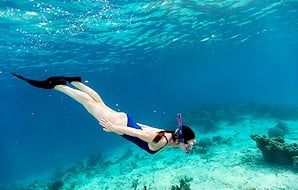
A guest swimming underwater through clear sea over a coral reef.

Snorkeling & Diving

A diver’s dream: soft corals, reef fish, rays, turtles, and seasonal megafauna. Expect manta rays, reef sharks, morays, and (in season) humpbacks offshore; whale sharks are more likely Dec–Apr in several areas.
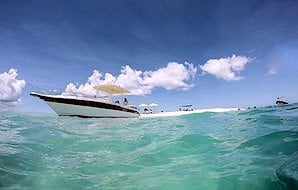
A white motorboat anchored in shallow water off a sandbank.

Boat Trips

Sail in a colorful dhow, kayak over the shallows, or take a sunset cruise.
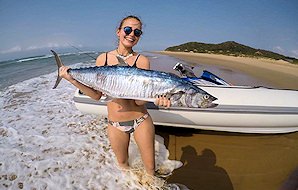
An angler proudly holding a large catch along the beach shore.

Big-Game Fishing

Chartered deep-sea trips target species like kingfish, tuna, marlin, wahoo, and barracuda.
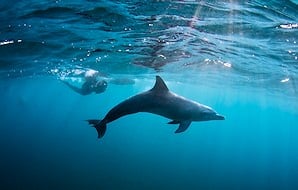
A wild marine mammal swimming underwater as a snorkeler floats near the surface.

Swim with Dolphins

Some resorts offer guided in-water encounters with wild dolphins under strict codes of conduct.
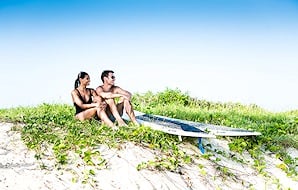
A private beach setup with cushion loungers and an umbrella on white sand.

Leisure & Culture

Island picnics, cooking lessons, beach horse-riding (Vilanculos/Benguerra), spa time, and guided village visits. Options vary by lodge.
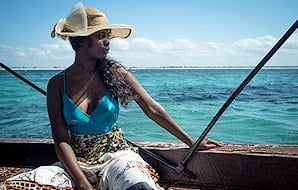
A traveler wearing a sun hat sitting aboard a traditional wooden vessel on open water.

Sailing on a Dhow

Traditional lateen-rigged dhows sail the Indian Ocean on sunset cruises and island-hopping trips.
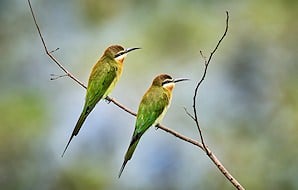
Two green bee-eaters perched side by side on a thin tree branch.

Bird Watching

The coast and Gorongosa offer excellent birding, from waders and terns to forest specialties inland.
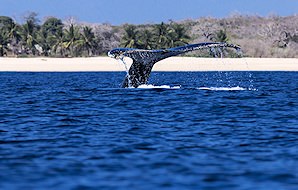
A tail fluke lifting out of the sea near a sandy shoreline.

Whale & Dolphin Spotting

Humpbacks migrate off the coast ~Jun–Nov. Southern right whales are occasional visitors. Bottlenose and humpback dolphins are seen year-round.
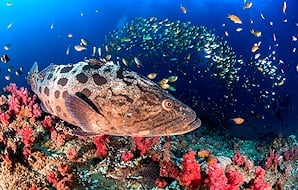
A large spotted grouper swimming among coral reefs and small tropical fish.

Marine Life

Reefs host turtles, reef fish, rays, and seasonal whale sharks. Bazaruto protects the region’s last viable dugong population.
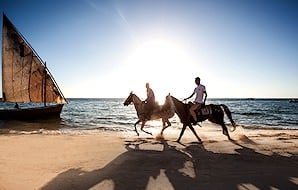
Two riders on horseback trotting along the shore near an anchored dhow boat.

Horseback Riding

Ride along beaches in Vilanculos and on Benguerra Island, options for beginners to experienced riders.

Recommended Attractions
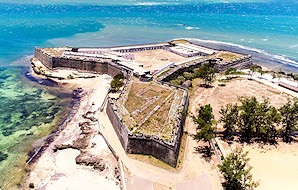
Aerial view of historical stone fortress walls along the coast.

Fort São Sebastião

Ilha de Moçambique’s massive fort, built by the Portuguese from the 16th century and still dominating the northern tip of the island.
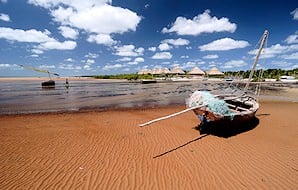
A wooden fishing boat sitting on exposed tidal sand flats.

Machilla Magic

Community arts and crafts in Vilankulo made by local artisans.
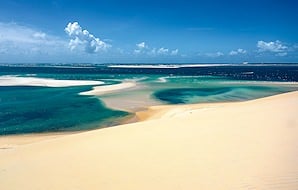
Sand dunes sloping into turquoise waters and shallow channels.

Two Mile Reef

Between Benguerra and Bazaruto in the Bazaruto Marine National Park. Often best Apr–Sep; avoid peak cyclone months (Jan–Mar) when seas can be rough.
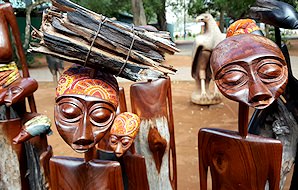
Hand-carved wooden sculptures and traditional figures displayed at an artisan market.

Maputo Central Market

Busy market for produce, seafood, and crafts. Barter politely and compare prices.
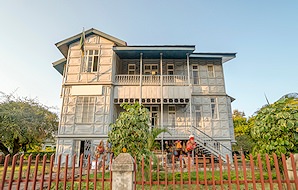
The historic two-story iron building surrounded by garden foliage.

Casa do Ferro

An all-steel house built in 1892, often erroneously attributed to Gustave Eiffel, but designed by Belgian engineer Joseph Danly. It is striking but proved impractical in the tropical heat.
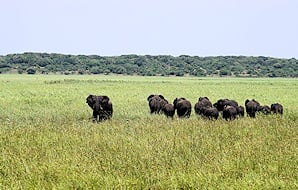
A herd of wild elephants walking through tall grass in a coastal reserve.

Maputo National Park

Coastal park south of the capital (4x4 recommended) protecting wetlands, beaches and elephant, for day trips or overnights. It became part of the iSimangaliso World Heritage Site in 2025.
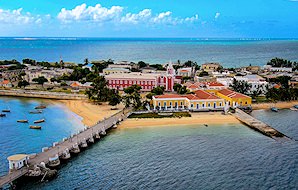
A visitor resting on a bench outside a historic white chapel on the coast.

Palace and Chapel of São Paulo

On Ilha de Moçambique: a former Jesuit college turned governor’s residence (to 1898, when the capital moved to Lourenço Marques).

Diving Sites

Top regions are the Quirimbas Archipelago (access via Pemba) and the Bazaruto Archipelago (access via Vilanculos), both protected areas with excellent visibility in season.

Quirimbas highlights include the reefs around the island lodges (both temporarily closed, and the area is not currently advised) and St Lazarus Bank. Expect game fish, barracuda schools, turtles, and (seasonal) humpbacks off the drop-offs.

Bazaruto Marine National Park offers coral ridges, walls, and seagrass meadows supporting dugongs. Signature sites include Two Mile Reef and Manta Ray Reef.

The People

Most Mozambicans are of African origin; minorities include people of Portuguese, Indian, and mixed ancestry. Cultural and linguistic ties span borders, especially with Swahili-coast communities to the north and with neighboring southern African states.

Many ethnic groups are present. North of the Zambezi, communities like the Makonde, Macua, and Lomwe are prominent; south of the Zambezi, groups such as the Tsonga/Thonga are numerous. Portuguese is the official language, with dozens of local languages widely spoken.

Geography

Low-lying coastal plains dominate the east, widening southward and rising inland to plateaus of about 500–1,000 m. The northwest is mountainous, and isolated granite inselbergs punctuate the interior.

Highest point: Mount Binga (2,436 m) on the Zimbabwe border. Other notable peaks include the Gorongosa massif (1,862 m), Mount Namuli (2,419 m), and Mount Chiperone (2,054 m).

Last Updated: November 6, 2026 Curated By: Riaan Viljoen