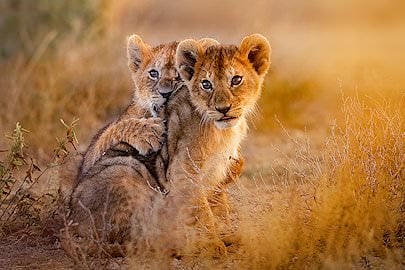
The southern tip of Africa stretches from waterfalls and inland savannas full of wildlife to red deserts, mountain ranges, dense forests and open country carpeted with flowers. It runs down through valleys of vineyards to wild coastlines with rich marine life.
Victoria Falls
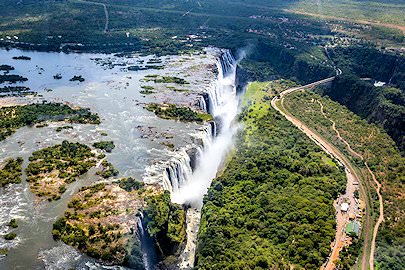
The Victoria Falls on the border between Zimbabwe and Zambia are astonishing. Nearly 1.7 km wide and up to 108 m high, they create a powerful stream of water that releases water spray into the air which transforms the entire landscape around them. While seasonal droughts can occasionally reduce this powerful force to a tame trickle of water, the falls remain a great African sight, and from about February to May they run in full flood. With the impact of climate change being a global concern, it remains to be seen what the long-term impact will be on the falls and how their great flows of water will adapt over time. Our illustrated guide to the smoke that thunders gives the key figures.
Sossusvlei and the Namib Desert
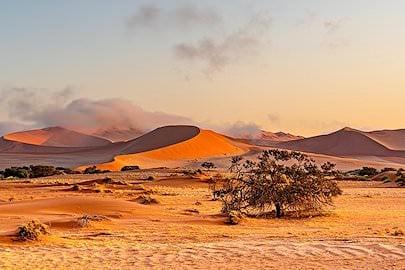
The west coast of Namibia is one of the driest places on Earth, with some of the highest sand dunes on Earth. The region has many untouched nature areas with beautiful desert scenes and star-filled night skies unmatched by most places on Earth. The clear desert air gives exceptionally sharp views of the night sky. Quad bike tours through the desert or hot-air balloon rides over the dunes leave much to explore that is completely unrelated to the night skies as well, in a landscape few city dwellers ever come across and almost everyone would find memorable.
Okavango Delta
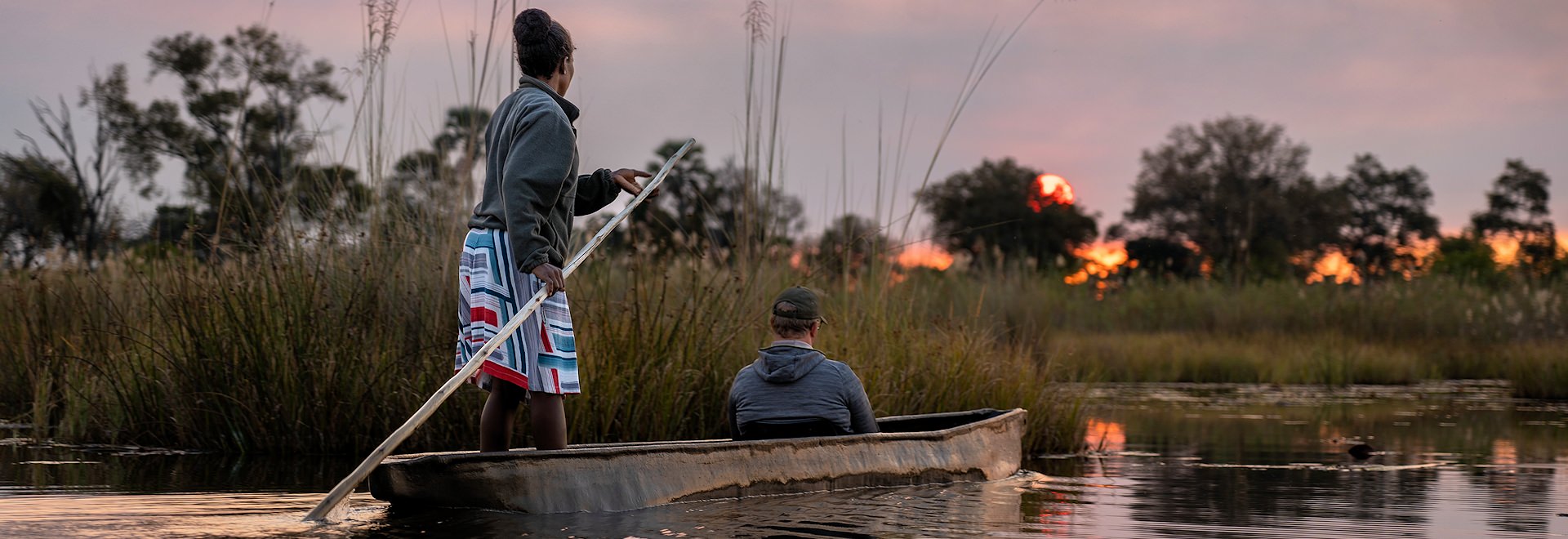
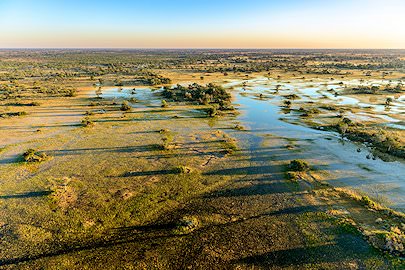
The Okavango Delta forms as water from the Okavango River, flowing in from the north, floods some 15,000 square kilometers of the Kalahari at the height of Botswana’s dry season, drawing animals from across the region. It is a vast inland delta, a UNESCO World Heritage Site since 2014, and a prime location for game and bird watching alike. Few places gather such a range of animals and birds year after year. Like many natural wonders, though, its future is closely watched, given what climate change may mean for the seasonal rains that make the flood possible.
Kruger National Park
The Kruger National Park is one of the largest and most varied protected areas in the whole of Sub-Saharan Africa. With habitats ranging from mountain bushveld in the very south, to mopane woodland areas in the north, open grassland areas in the center-south, and a whole range of other variations of the savanna biome in between. Safaris and game viewing are some of the activities you can enjoy year-round, with the Big Five, cheetah, wild dog, and black rhino being just some of the rare mammals you might see here.
Cape Town
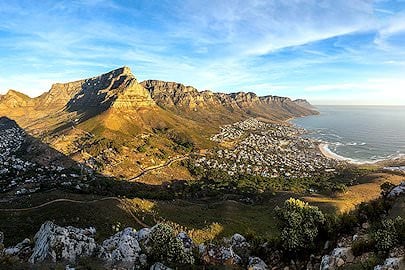
Cape Town is arguably South Africa’s most culturally rich city, with beautiful beaches and nature areas and the country’s leading gastronomic scene all contributing to its place on this list. Table Mountain and the surrounding Table Mountain National Park, along with Kirstenbosch National Botanical Gardens, are perfect for nature lovers, while nearby Boulders Beach and its colony of African penguins definitely warrant a visit. The city itself also has much to offer, with a lively culinary scene, a beautiful waterfront, and architecture dating back to the first European colonists in the country. Our article Why Visit: Cape Town looks at its wildlife, food and wine, and culture in more depth.
Bazaruto Archipelago
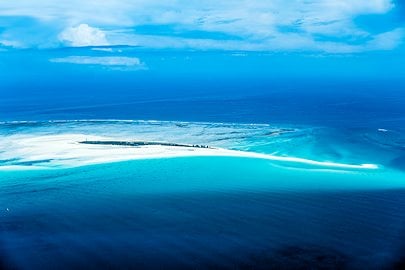
Few places fit the idea of a tropical island escape better than the Bazaruto Archipelago off the coast of Mozambique, near Vilanculos. Its islands are the epitome of privacy, luxury, relaxation, and exclusivity. The Quirimbas resorts are temporarily closed and will reopen, and a visit to the islands is not currently advised. White beaches, bright blue water and warm weather make it a secluded getaway that could be the closing scene of a spy movie. Bazaruto also appears among the region’s most romantic honeymoon spots.
Chobe National Park
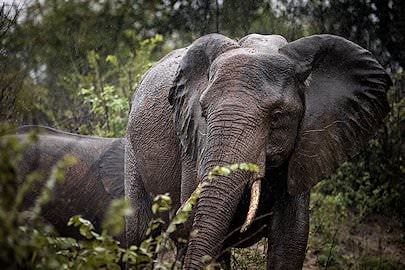
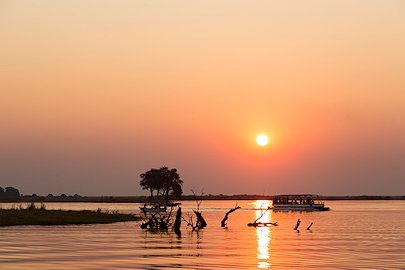
The Chobe National Park, in the north of Botswana, is another prime safari, game viewing, and birding destination, with beautiful views of forest and savanna habitats. The area was once retained as Crown land before Botswana’s independence, a fact that serves as an ode to the region's beauty. Lion, leopard and buffalo are widespread here, though elephant in particular are the stars; rhino are rare and found mainly around Savute. The Chobe River and the park's waterholes draw the region's many elephant to drink and cool off, and where visitors may enjoy sunset views alongside these gentle giants.
Garden Route
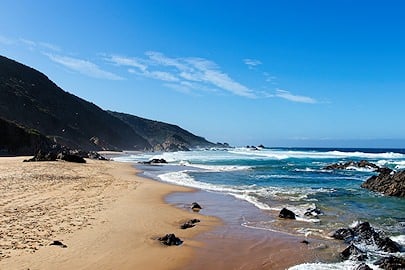
The Garden Route is a beautiful region bordering the south coast of South Africa that got its name from the diversity of plant life found here. The forests around Knysna and Tsitsikamma form South Africa's largest indigenous forest complex, while the fynbos that covers most of the western regions of the Garden Route is part of a floral kingdom found nowhere else on Earth. The coastline also has much to offer, with dolphin and whale sightings, beautiful views, and beaches that are popular among surfers.
Cape Winelands
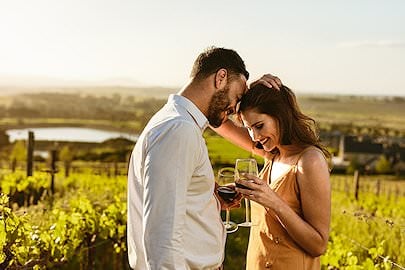
Meandering roads and beautiful hills, with vineyards and Cape Dutch farmhouses as far as the eye can see: a fitting background to the fine grapes and master winemakers that have made the region what it is today. Apart from wine, cheese, and even olive oil tastings, there are also a number of food and wine-centered festivals here throughout the year. There are also a number of restaurants dotted between the age-old wine farms here, where the food is guaranteed to pair well with your wine.
Sabi Sand Nature Reserve
The Sabi Sands is a private game reserve bordering the western regions of the Kruger National Park. There are many exclusive lodges in the reserve, where visitor comfort and experience are virtually unmatched, and game viewing means close-up sightings of all the big mammals of the region, including the lion, leopard, elephant, buffalo, rhinoceros, cheetah, and an array of antelope species. It is a superb place for nature photography and an easygoing base for exploring the wilderness.