


 Blog
BlogHidden Gems of South Africa: The Best Private Tours Off the Beaten Path
Share this on Social Media


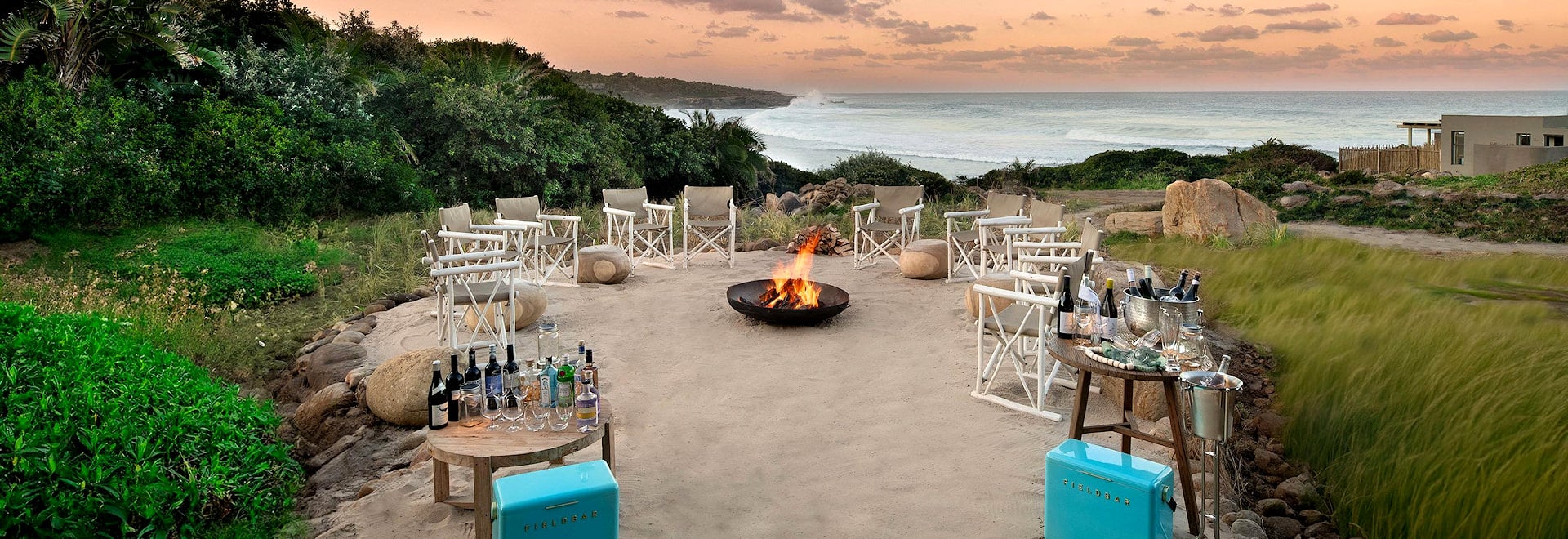
While Cape Town, the Garden Route, and the Kruger National Park remain top tourist destinations worthy of visiting, there are some hidden gems scattered across South Africa filled with scenic and unique landscapes that keen explorers can seek out.
What sets South Africa apart as a tourist destination is the sheer diversity of biomes, unique ecosystems, and landscapes—including pristine beaches, majestic mountain ranges, untouched wildlife reserves, lush winelands, and an eclectic mix of cultures, each unique to the region. As a result of this broad collection of travel options, some destinations may get overlooked but still offer a fully worthwhile experience of South Africa.
Exploring the Wild Coast and remote beaches
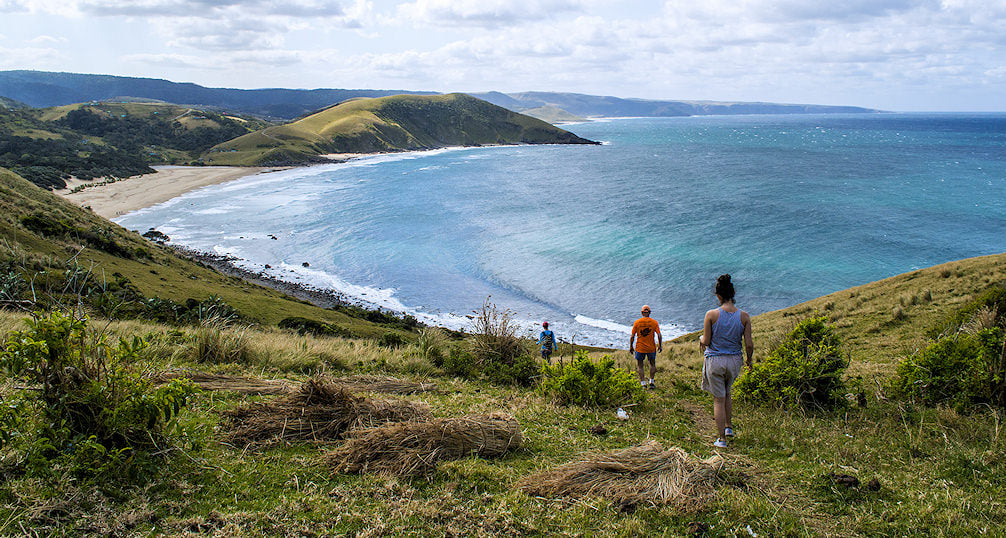
The Wild Coast is a stretch of beautiful coastline stretching from East London to the Mtamvuna River. This beautiful and unspoiled coastline is broken by many rivers flowing to the Indian Ocean—such as the Msikaba, Mkambati, and Mtentu rivers—making it remote, as travelers must head inland and then back down to the coastline. The landscape is “wild” due to its low volume of visitors and has an unparalleled, unique landscape with deep gorges, wide isolated beaches, and grasslands where antelope can be seen running against the backdrop of the ocean. The region has a rural appeal, and people groups such as the Xhosa can still be seen living on the green hills in traditional huts known as “rondavels.” Attractions and activities include vulture colonies, waterfalls, horseback riding, and hiking. Best of all, the Wild Coast is a malaria–free, family–friendly destination with pleasant subtropical weather.
The 7,720–hectare Mkambathi Nature Reserve, has an astounding array of breathtaking landscapes and is home to a number of waterfalls including Horseshoe Falls, Mkambathi Falls, Strandloper Falls, Four Falls, and Misty Falls.
Visitors will feel isolated as they walk beaches like Mosquito Beach, swim in the warm ocean, or hike to the indigenous forests. Animals such as eland, red hartebeest, blue wildebeest, and blesbuck are among the antelope you can view on the grasslands, while bird enthusiasts can look forward to spotting the Greater Double–collared Sunbird, Red–shouldered Widowbird, Yellow–throated Longclaw, Croaking Cisticola, Common Waxbill, and Gurney's Sugarbird.
“Hole in the Wall” is located roughly in the center of the Wild Coast and is a natural archway created over eons by the waves eroding the sandstone rock, making it appear as if the rock has a tunnel carved through it.
This unique feature adds to the appeal of the untouched and quiet beaches nearby. The local Xhosa people call it esiKhaleni, which means “place of the sound.” During high tide, the roar of the waves crashing through the archway can be heard from miles away. Apart from soaking in the sun's rays on a beach day, hiking enthusiasts can partake in the Port St. Johns to Coffee Bay Hike.
Private nature and hiking tours in the Drakensberg Mountains
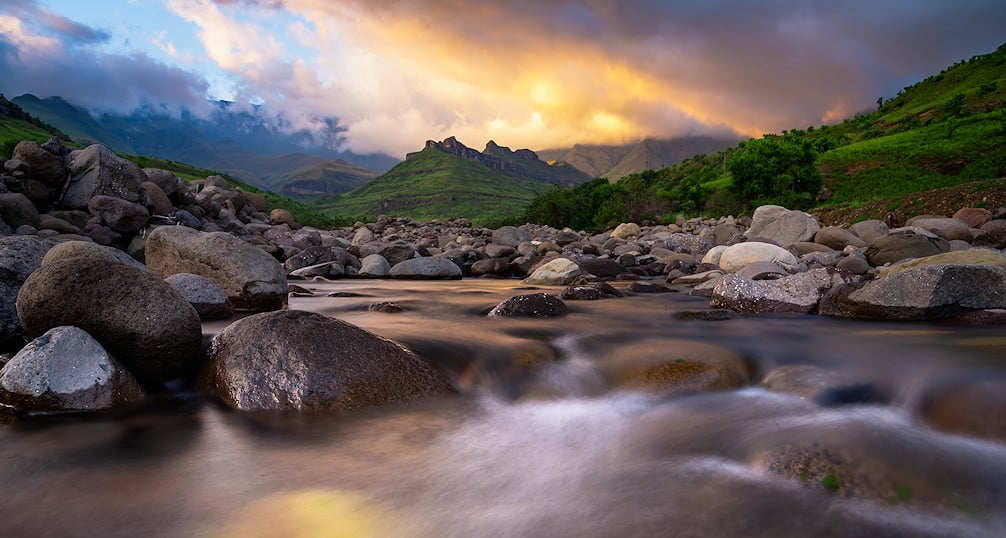
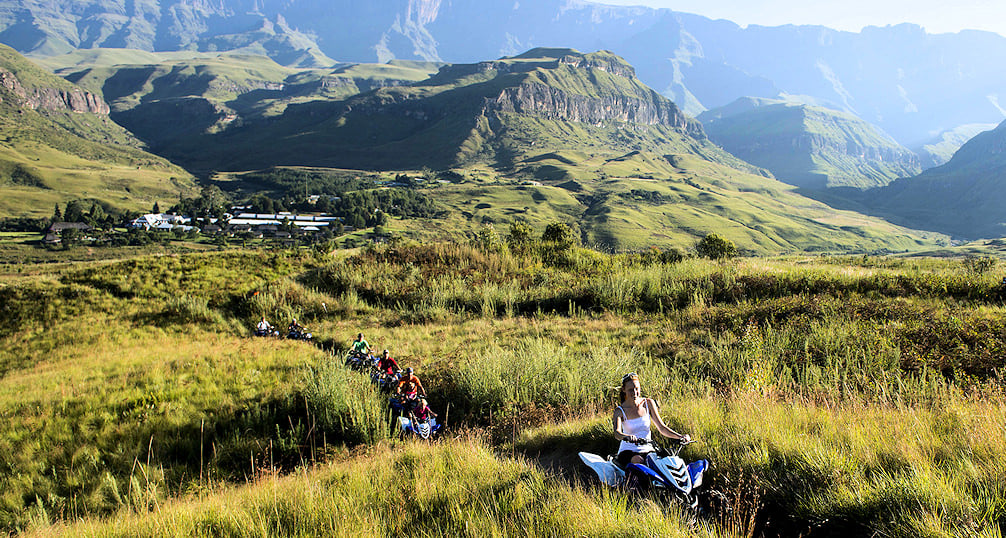
The Drakensberg, known as the “Dragon Mountains” in Zulu, is a majestic mountain range with scenery straight out of a Tolkien novel—rolling green hills and rugged peaks shrouded in clouds and mist.
The UNESCO World Heritage Site sprawls over 1,000 km and towers at 3,482 meters (11,422 feet)—the highest in South Africa—and offers activities for nature lovers and adventurers including hiking, horseback riding, 4x4 trails, birdwatching, and visiting centuries–old San rock art sites.
The Drakensberg topography offers a multitude of interesting hiking locations that can be viewed and visited while on a private tour. In the north is the Amphitheater: a world–famous, 3–mile–long (5 km) curved wall of basalt cliffs that creates a natural stadium of rock; Tugela Falls: the highest waterfall in the world; the Sentinel: a massive flat–topped peak that “guards” the western end of the Amphitheater; and Devil's Tooth: a terrifyingly sharp, slender rock spire that is considered one of the most difficult climbs in South Africa.
The central Drakensberg is where you can visit Cathedral Peak: a freestanding peak surrounded by jagged spires giving it the appearance of a Gothic cathedral; Giant’s Castle: a high plateau that resembles the profile of a sleeping giant, famous for its abundant San (Bushman) rock art and vulture hide; Monk’s Cowl: a peak shaped like a hooded monk; and Champagne Castle: the second–highest peak in South Africa, standing tall over a valley. Lastly, the south is home to Sani Pass: the only road link between KwaZulu–Natal and the mountain kingdom of Lesotho, known for its steep 4x4 terrain; and Garden Castle: known for its unique sandstone formations, including the “Rhino” and the “Castle” peaks.
Cultural encounters with local communities
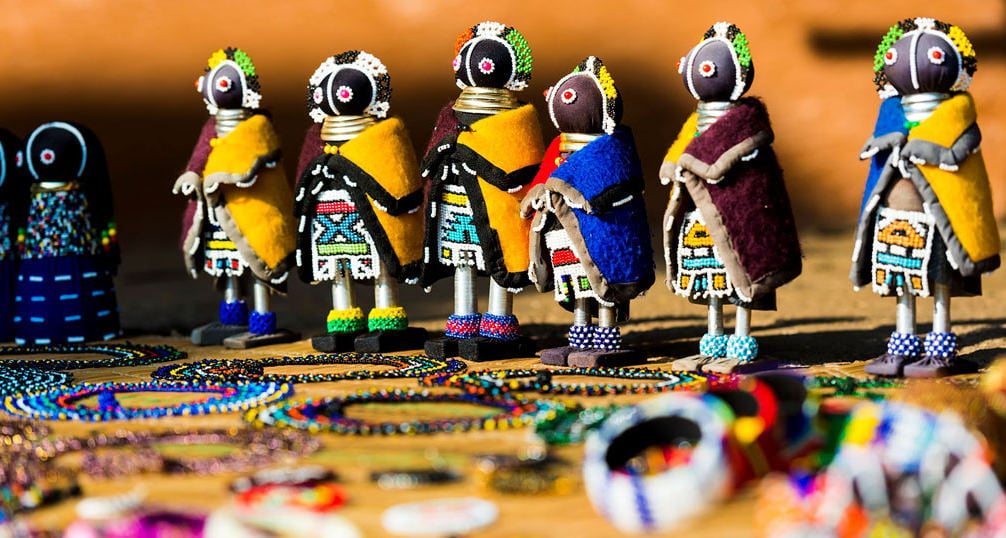
Cultural encounters are quite well–known but are often considered “hidden gems” as they can be overshadowed by the buzz of safari activities and wildlife spectacles; however, a true safari experience should include visiting one or more cultural sites in South Africa. These experiences are often located near major attractions and are perfect to include in a private tour itinerary with no real extra travel expenses. These communities are charming, friendly, and eager to share their traditions; furthermore, they are appreciative of visiting tourists, as this provides a vital source of income for many families.
In addition to the memories, visitors can take home their own piece of Africa in the form of arts and crafts as a reminder of their journey. These colorful markets are filled with beadwork, recycled artwork, paintings, and wood carvings; they sometimes even include workshops where guests can participate in making their own arts and crafts.
- Lesedi Cultural Village: A multi–cultural village celebrating the traditions of the Zulu, Xhosa, Pedi, Basotho, and Ndebele peoples through homestead tours and rhythmic dance performances.
- Mantenga Cultural Village (Eswatini): A living museum of the Swati people featuring grass–thatched huts, traditional ceremonies, and drumming.
- Shangana Cultural Village: Located near Kruger National Park, this site showcases the Shangaan way of life with vibrant craft markets and traditional evening festivals.
- Basotho Cultural Village: Set in the Golden Gate Highlands, this village highlights Basotho history and architecture, famous for its colorful murals and iconic conical hats.
- Shakaland: Built on the legendary film set of Shaka Zulu, this village offers an immersive look at Zulu social systems, spear–making, and beer–drinking ceremonies.
- Shewula Mountain Camp (Eswatini): An authentic community–owned encounter where tourists can engage with modern rural Swati life and visit local homesteads.
Discovering South Africa’s lesser–known national parks
South Africa boasts 19 national parks, each with its own unique “fingerprint” on the South African landscape, and while some are well–known, there are other “diamonds in the rough”—that see fewer visitors due to the vast number of tourist destinations on offer—yet still provide the perfect setting for a private tour and a worthwhile addition to an itinerary. The sheer diversity of the national parks ensures experiences tailored to your needs, whether the focus is on scenery, culture, or a love of wildlife.
West Coast National Park
Covering approximately 89,600 acres (36,250 ha) just north of Cape Town, this park is famous for the turquoise waters of the Langebaan Lagoon and its colorful and striking spring wildflower carpets, where visitors can spot bontebok, eland, and ostriches. It is located along the scenic coastal route leading toward Namaqualand, making it the perfect destination for a floral–themed private tour during the blooming season.
Camdeboo National Park
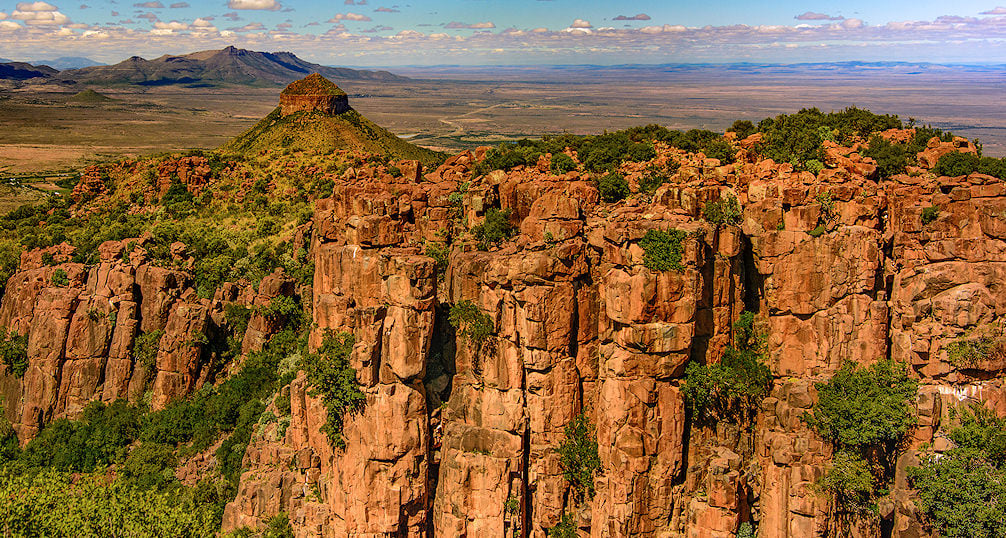
This 47,900–acre (19,400 ha) park in the Karoo surrounds the historic town of Graaff–Reinet and features a contrast of landscapes, where vertical dolomite pillars at the Valley of Desolation overlook flat plains that stretch to the horizon. These expansive “Karoo flats” and rugged heights provide a habitat for Cape mountain zebras, kudu, and the majestic black eagle. Visitors can experience a sense of well–being in the form of isolation, tranquility, and openness when visiting this national park.
Golden Gate Highlands National Park
Nestled in the Maluti Mountains and spanning 28,700 acres (11,600 ha), this park is renowned for its orange sandstone cliffs and the iconic Brandwag Buttress; its high–altitude grasslands are home to black wildebeest, oribi, and the rare bearded vulture.
Ithala Game Reserve
A 71,600–acre (29,000 ha) wilderness in KwaZulu–Natal with some of the world’s oldest rock formations, this park offers incredible geological scenery and sightings of white rhino, giraffe, and leopard. Ithala Game Reserve is located within driving distance of Hluhluwe–iMfolozi Park, making it a perfect addition to a northern KwaZulu–Natal circuit.
Mapungubwe National Park
This 69,000–acre (28,000 ha) UNESCO World Heritage Site is famous for its sandstone formations and ancient history as the first kingdom in Southern Africa. Visitors can explore the archaeological site where the golden rhino was discovered while spotting elephants, lions, and baobab trees that dot the riverine landscape at the confluence where South Africa, Botswana, and Zimbabwe meet, making it a perfect destination for travelers further exploring Southern Africa.
Unique accommodations in remote locations
With such diverse destinations and settings, you can expect the finest hotels and lodges on offer, each with its own “African” branding and unique architecture with creative interior design.
Exclusive properties spare no expense, and guests will be spoiled with luxurious themed rooms, top–tier amenities, scenic settings, and cuisine fit for a king—including local culinary dishes and flavors as well as a choice of fine wines from South African wine estates.
Umngazi Hotel & Spa
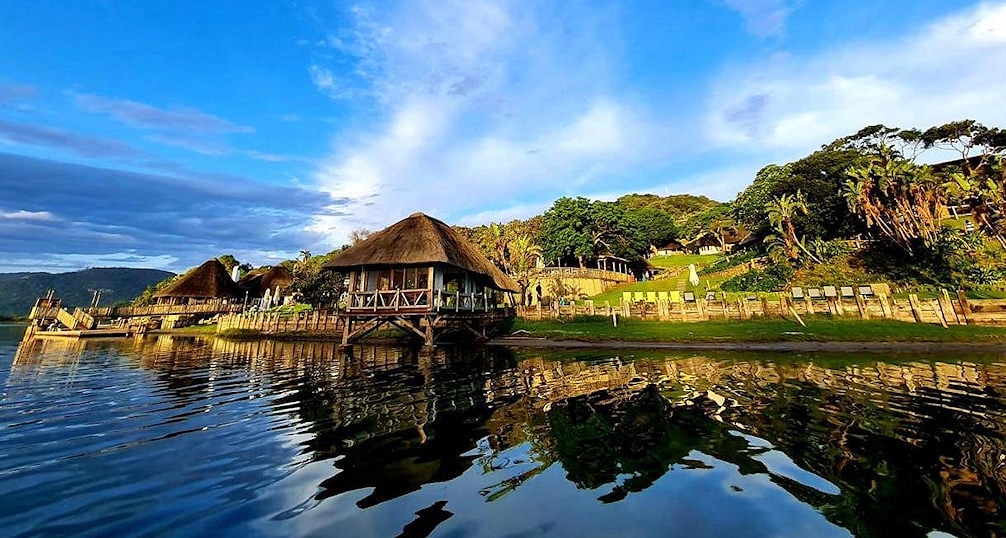
Hidden along the Wild Coast near Port St. Johns, this secluded retreat is perched on a hillside overlooking the Mthatha River mouth. It is famous for its thatched–roof bungalows and panoramic views of the Indian Ocean, offering a remote sanctuary where visitors can engage in guided hikes, mangrove canoe trips, and world–class spa treatments in a subtropical paradise.
Prana Lodge
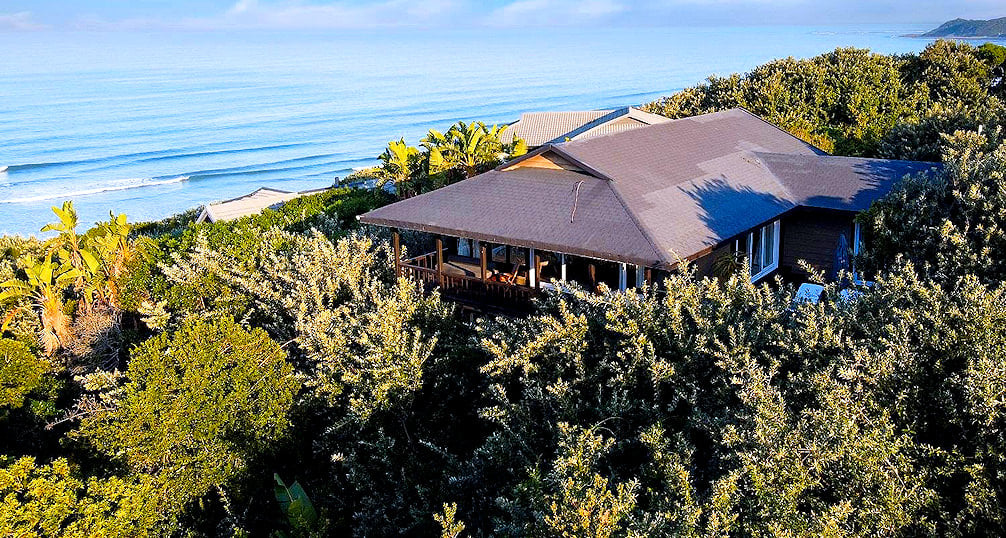
Tucked away within an indigenous forest alongside the Chintsa coastline, this luxury lodge offers an intimate escape with only eight private suites. Each suite is a secluded haven featuring high ceilings, private plunge pools, and direct access to private beach stretches, making it a "hidden gem" for travelers seeking a blend of forest tranquility and coastal elegance.
!Xaus Lodge
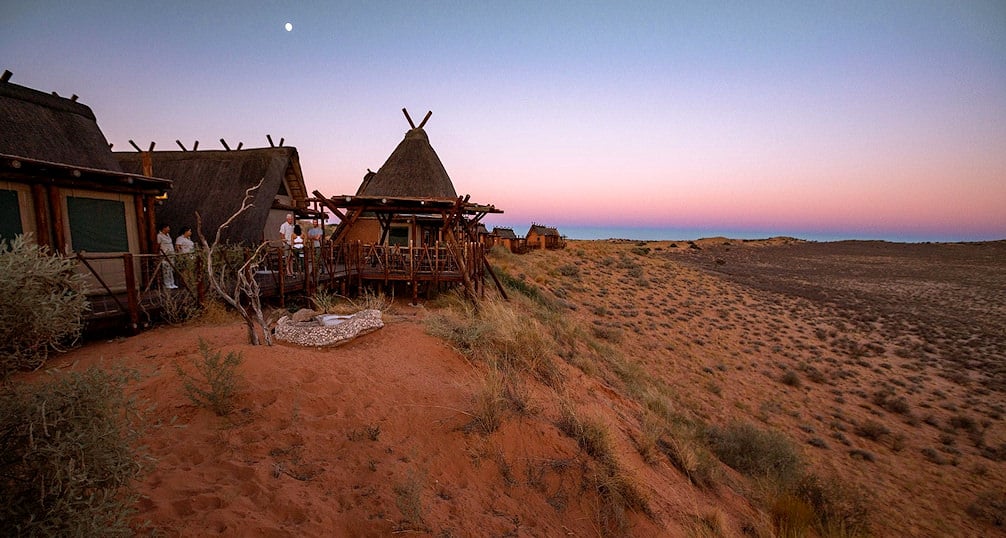
Located high above a salt pan in the heart of the Kgalagadi Transfrontier Park, this community–owned lodge is accessible only by a guided 4x4 journey over 91 red sand dunes. The lodge offers a rare opportunity to experience the silence of the desert, traditional San cultural walks, and some of the clearest stargazing opportunities in the Southern Hemisphere.
Cathedral Peak Hotel
Nestled deep within a secluded valley of the Drakensberg Mountains, this historic hotel is surrounded by some of South Africa’s most formidable peaks. It provides a unique high–altitude experience where guests can tackle challenging mountain hikes, enjoy 9–hole golf with a view, or simply admire the jagged basalt spires that define this UNESCO World Heritage region.
Ghost Mountain Inn
Located at the foot of the legendary Ghost Mountain in Zululand, this lodge is steeped in local myth and history. It serves as a sophisticated base for exploring the uMkhuze Game Reserve and Lake Jozini, offering guests a unique mix of cultural heritage tours, tiger fishing, and boat cruises in a remote and atmospheric setting.
In conclusion, much can be said of other “hidden gems” off the beaten path in South Africa that are worth exploring, but these highlighted destinations may spark your curiosity for this vast country and inspire you to embark on that dream private tour.