


 Blog
BlogConsiderations for an unforgettable South Africa Safari Experience
Share this on Social Media


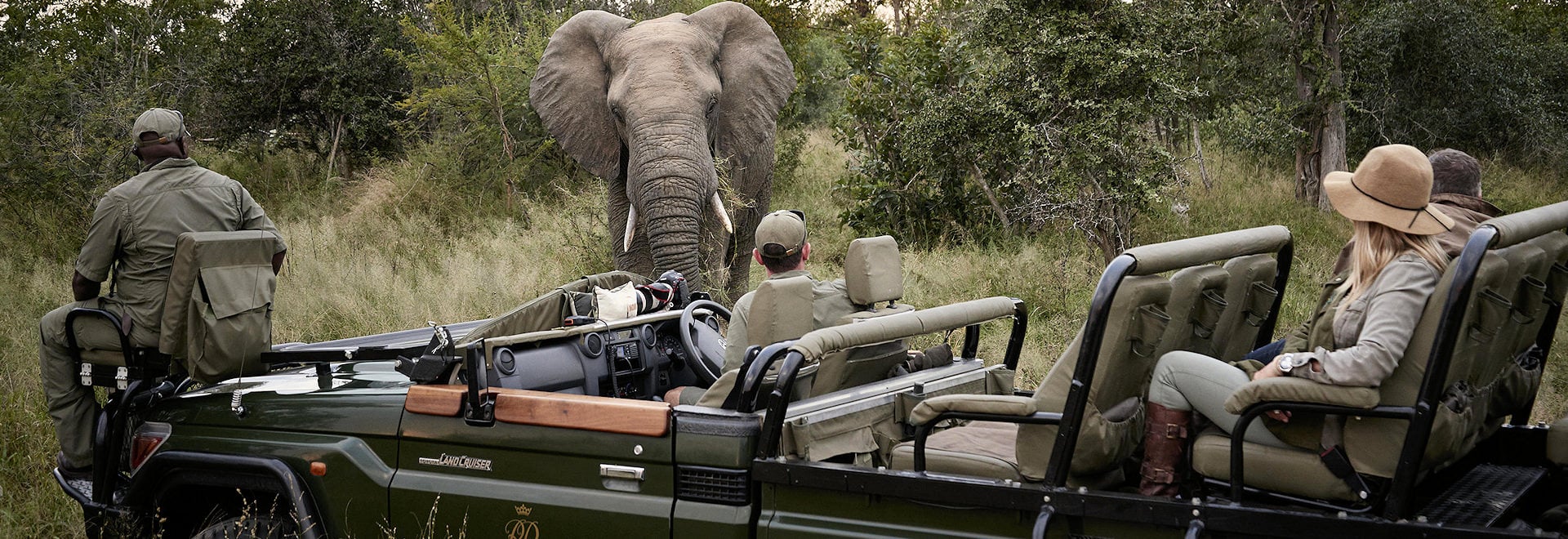
There are many factors that go into planning a dream safari trip to South Africa, and it can be even more challenging if you aren't sure what your package will include. Here are a few considerations that can transform your safari from ordinary to unforgettable.
The Big Five Debate
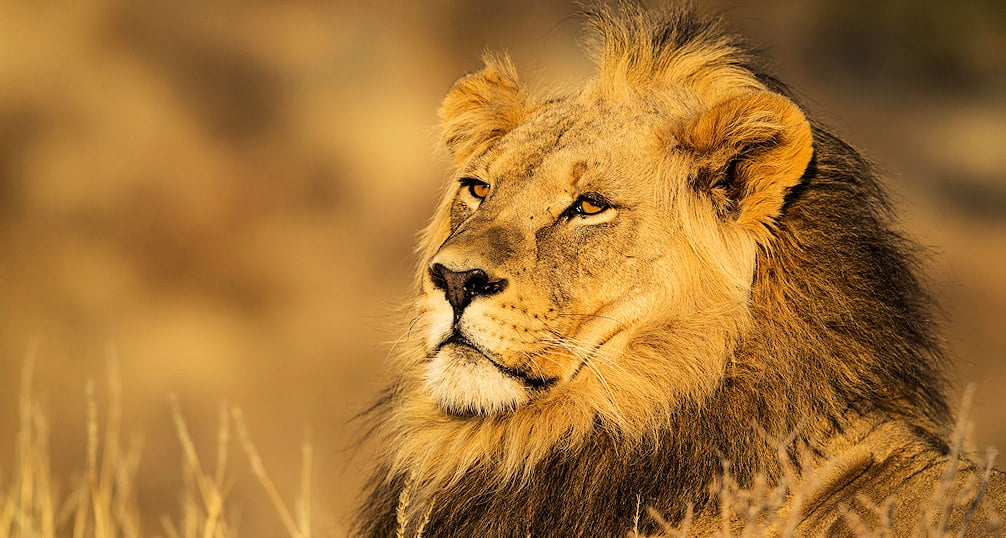
While the Big Five (lion, elephant, buffalo, leopard, and rhinoceros) are iconic, are there other animals worth focusing on during a safari? What are some hidden gems in South Africa's wildlife?
There is no doubt that the Big Five are the primary reason that wildlife enthusiasts visit South Africa; however, this does not mean that other animal species pale in comparison—in fact, it's the opposite. The “Big Five” is simply a term that legendary hunters attributed to the most formidable animals that can be hunted on foot in Africa; however, in modern times, the phrase is used in tourist circles and refers to viewing the Big Five in their natural habitats. This means that there are not just a few, but many other exciting, unique, and rare species that can be viewed alongside the Big Five.
The cheetah is a graceful cats smaller than the leopard, but with a similar spotted coat and considerably slimmer profile and lightweight body built for speed and can run 98 km ph for short bursts—observing a cheetah hunting is a top safari thrill. They can be seen in Kgalagadi Transfrontier Park (Northern Cape), Shamwari Private Reserve (Eastern Cape), Madikwe Game Reserve (North West), and Kruger National Park (Mpumalanga).
The Greater Kudu is one of the largest species of spiral–horned antelope in South Africa, measuring up to 1.5 meters at the shoulder with horns that can reach lengths of 1.8 meters. This majestic animal can be seen throughout South Africa, except for a few select regions.
The hippopotamus is a strange exclusion from the hypothetical “Big Six”; after all, this animal is large, weighing up to 3,000 kg, and is extremely aggressive and dangerous, especially in rivers. However, they can also reach top speeds on land of 30 km/h. Hippos are found mostly throughout South Africa in their preferred habitats, like rivers and waterholes.
African Wild Dogs, also known as “Painted Wolves”, are pack animals with strong social bonds that can be described as Africa's ultimate hunting team. While they may look like ordinary dogs with their rounded “Mickey Mouse” ears and tricolor coat—no two dogs have the same pattern—they are in fact expert hunters with an 80% success rate and are relentless in pursuing prey, maintaining speeds of 50–60 km/h for several kilometers without stopping. Wild dogs can be found in most safari areas, and an unforgettable experience to view their social interaction in the wild.
The Spotted Hyena is often overlooked as a highlight because of its reputation as a mindless scavenger; however, these pack-oriented creatures are highly intelligent apex predators capable of hunting over 90% of their own food. Hyenas are also large, formidable animals with a bone-crushing bite force of 1,100 PSI (pounds per square inch)—to put that in perspective, a lion’s bite is around 650 PSI, while a human's is only about 150 PSI. Highlights of seeing hyena in the wild include observing them gathered around a carcass or hearing their famous, maniacal “laugh” echoing through the night.
Meerkats are small mammals that could easily be considered the “pets of Africa,” known for standing upright with a cute and alert demeanor in more arid regions such as the Kalahari Desert and Kgalagadi Transfrontier Park. A meerkat “mob” is a masterpiece of teamwork; one individual always stays on “sentry duty,” perched on a high point like a termite mound to keep watch, using a sophisticated vocabulary of barks and whistles to warn the group of threats from the air or the ground. Furthermore, meerkats are largely immune to the venom of scorpions and certain snakes, making these dangerous creatures a regular part of their diet.
Giraffes are common to South Africa and found in most regions, even in bushveld areas near cities; yet little can prepare you for seeing these long–necked animals in the flesh. Standing up to 5.5 meters (18 feet) tall, these “watchtowers” of the savanna act as the early–warning system for all other plains animals, as their height allows them to spot predators from vast distances. One of the most unique and surprising sights on safari is seeing two males “necking”—a competitive behavior where giraffes use their long necks like wrecking balls, swinging with incredible force to club the opponent with their hard horns.
Plains Zebra are common to most safari areas and move around in family units consisting of one stallion, several mares, and their offspring that make up the greater herd. They have a brilliant striped black and white coat and a group of zebras is known as a dazzle—if you’re lucky, you could witness the dizzying motion–blur effect created by their stripes as they run, a natural defense designed to confuse predators.
These animals are just the tip of the iceberg and there are many more species that could be showcased, including warthog, blue wildebeest, sable antelope, Nile crocodile, and many more, but for the sake of brevity this collection should suffice and at least pique your interest on what other critters are scurrying, swimming or flying about in their natural habitats. Consider that South Africa is home to over 297 mammals, 849 bird species, 447 reptiles and 132 amphibians.
Luxury vs. Budget Safaris
What’s the difference in experience between a luxury safari lodge and a more affordable option? Which offers better value?
Planning a safari is often a delicate balancing act. It comes down to budgeting: do you visit more destinations, or do you enhance the level of attention, comfort, and detail by taking a shorter, more premium trip? Knowing the differences between luxury and budget safaris is a great place to start.
Budget safaris are appealing to the wallet, but a key point to consider is the level of accommodation you will be staying in; you will experience the same thrill of Africa and see the same wildlife, but in a less elegant, tailored, and personal setting. The accommodation will vary from basic, rustic national park camps with common areas to comfortable four–star standard lodges. While many activities may be included in your budget safari, some come at an extra cost, and this should be a consideration when planning your itinerary. While you may have general privacy, budget options often mean dealing with larger crowds and camps that accommodate big groups. However, if your aim is to do more and visit multiple destinations, then affordable accommodation may be exactly what you need; while these lodges won't have all the extravagant trimmings, the experience of Africa will more than compensate.
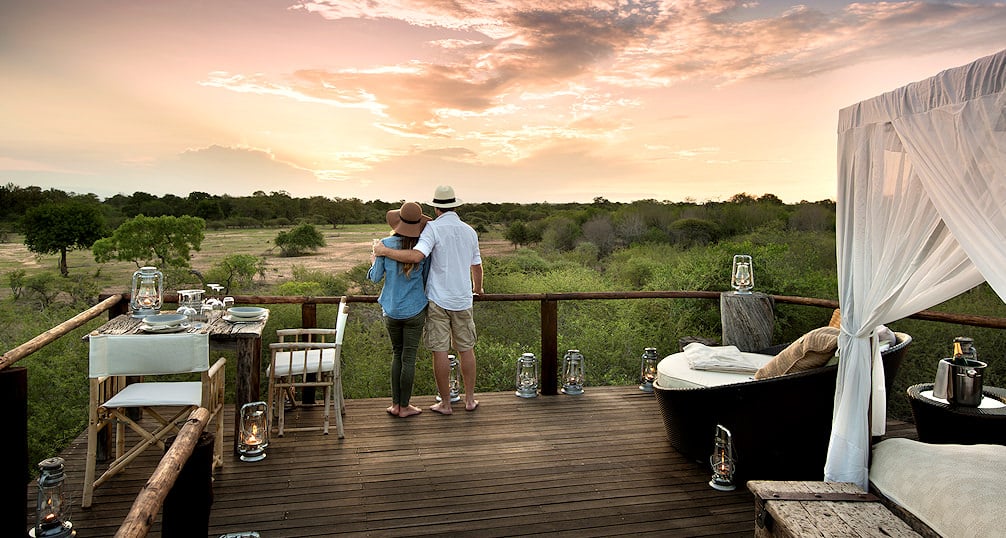
Luxury safaris are another ball game altogether, with a strong focus on exclusivity and privacy. Here, the experience of Africa is heightened by opulent safari lodges in unique and intimate settings. Rooms are stylish and elegant with all the lavish creature comforts you would expect, including an outdoor shower, private deck, and private plunge pool. Unique experiences and special activities are often included, with lodges offering excursions like bush walks, stargazing, and night drives—alternatively, you could make use of lodge facilities such as the library (select lodges), viewing deck, and cocktail bar, or treat yourself to some well–being at the tranquil spa. Cuisine is of the highest level, with chefs preparing culinary dishes fit for a king in diverse settings—from dinner at the boma (a traditional open–air enclosure with a central bonfire) to bush dinners, picnics, and sunset cocktails.
Luxury safaris offer a secluded and bespoke way to discover the untamed wilderness at the most exclusive lodges and locations available in South Africa.
Conservation Efforts
How do South Africa’s safari parks contribute to wildlife conservation, and what more can be done to protect endangered species like rhinos?
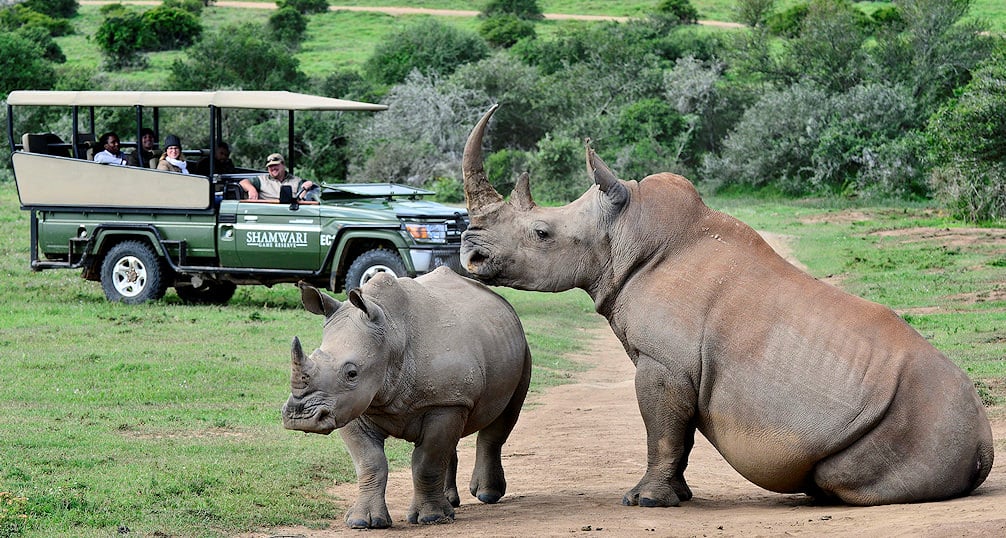
With hundreds of thousands of travelers visiting South Africa's national parks each year, there is an understandably a vital focus on nature and wildlife conservation to keep these wilderness areas in peak shape. Tourism, however, is not the only driver for these efforts; animal populations must remain stable, ecosystems need to thrive, and species like the rhino require constant protection against poaching. Ultimately, conservation ensures that future generations will be able to continue observing these magnificent animals in their natural habitats.
Phinda Private Game Reserve (KwaZulu–Natal)
Phinda Private Game Reserve has one of the most successful private rhino populations due to ongoing conservation efforts; they often allow guests to join Rhino Notching (ear tagging for tracking) or Dehorning procedures. Seeing these animals up close during a Rhino Reversal (the administration of an antidote to wake a sedated rhinoceros after procedures) is an unforgettable experience. The reserve has also introduced a groundbreaking project to bring the Temminck’s Ground Pangolin back to an area where they were once locally extinct.
Shamwari Private Game Reserve (Eastern Cape)
At this private reserve, guests can visit the Born Free Foundation—two big cat sanctuaries on–site that provide permanent homes for lions and leopards rescued from captivity or circuses—and the Wildlife Rehabilitation Centre, a world–class facility that treats orphaned, ill, or injured animals before releasing them back into the wild.
Kruger National Park & Anti–Poaching
Poaching in the Kruger National Park remains an ongoing challenge due to the black market demand for rhino horn. The Southern African Wildlife College, in collaboration with SANParks, uses K9 units with specialized hounds to track poachers, while the SANParks Airwing operates from the air to provide 24/7 surveillance over the park. Additionally Project Vulture is a joint collaborative effort between BirdLife South Africa and SANParks to protect nesting sites from poisoning by poachers.
Bird of Prey & Rehabilitation Centre
The Bird of Prey & Rehabilitation Centre, located in the quaint town of Dullstroom, focuses on rehabilitating raptors, from owls to fish eagles. Visitors can see these birds in action during flight demonstrations; the center also hosts educational talks to promote awareness of raptors and their endangered status.
Best Time to Visit
When is the best time to go on a safari in South Africa to see the most wildlife? Does the weather or season significantly affect animal sightings?
This is the million-dollar question for any traveler. In South Africa, the “best” time is usually a trade–off between comfortable weather and peak wildlife viewing.
The Dry Season (Winter: May–September) is the gold standard for wildlife sightings in South Africa. The lush summer bush dries out, giving animals fewer places to hide and making them easier to spot. Water is scarce during the dry season, which causes animals to gather around permanent waterholes, significantly increasing your chances of observing wildlife. Days are sunny and mild (around 20°C / 68°F), but nights and early mornings—while not as cold as the Northern Hemisphere—can often experience freezing temperatures (0°C / 32°F).
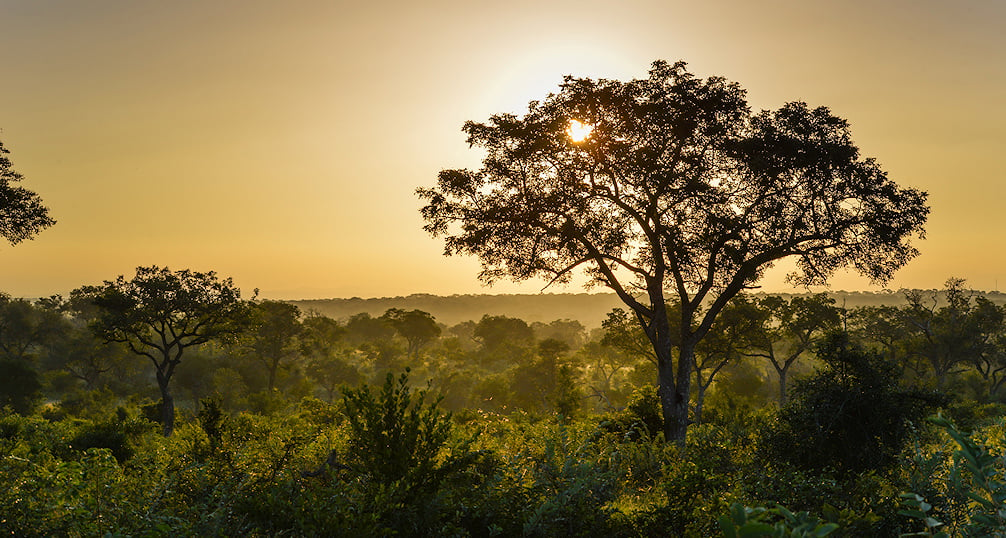
The Wet Season (Summer: October–April). In summer, the bush transforms into thick, emerald green vegetation, and animals tend to conceal themselves in the cool shadows that offer valuable protection against the heat. In these warmer months, many herbivores give birth and you’ll see plenty of “wobble–legged” newborns, which also means high predator action. The African sun is extremely hot in summer, with sweltering midday temperatures reaching 35°C (95°F) or higher, but thankfully relief often comes in the form of heavy afternoon thundershowers which cool the air down significantly. This is the best season for birdwatching as migratory birds return from the north, and the bush becomes a birdwatcher's paradise.
The shoulder seasons (April–May and September–October) offer the best of both worlds, featuring pleasant and mild weather conditions. These transition months also provide unique scenery as the landscape begins to shift between the greens of summer and the golden hues of winter.