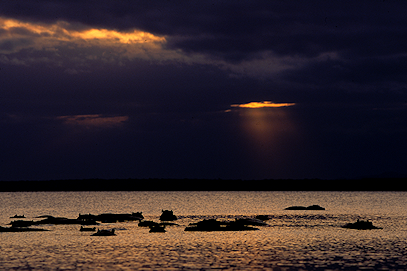


South Africa's iSimangaliso Wetland Park
Help Me PlaniSimangaliso Wetland Park Destination Guide
iSimangaliso Wetland Park, formerly Greater St Lucia Wetland Park, is South Africa’s third-largest protected area and a UNESCO World Heritage Site since 1999. Stretching roughly 280 km of coastline from Kosi Bay to St Lucia, it protects estuaries, coral reefs, dune and swamp forests, lakes, and savanna—offering exceptional snorkeling, turtles nesting, whale watching, birding, and big-game viewing.
Getting There
By Air: Visitors can fly to any of the three international airports: OR Tambo International Airport in Johannesburg, King Shaka International Airport in Durban, and Bram Fischer International Airport in Bloemfontein. Alternatively, guests will be transferred from a previous destination on the safari itinerary utilizing a private, air-conditioned vehicle.
By Road: The iSimangaliso Wetland Park is located in the KwaZulu-Natal Province. It can be reached from various South African cities such as Durban and Johannesburg via well-maintained roads.
Weather & Best Time To Visit
The subtropical climate of the eastern coast of South Africa means that the area is warm all year round. However, the winter months are the most comfortable, as the humidity is lower than during the summer months. Visiting St Lucia will depend on what you would like to see; for pleasant conditions and strong wildlife viewing, consider June through August.
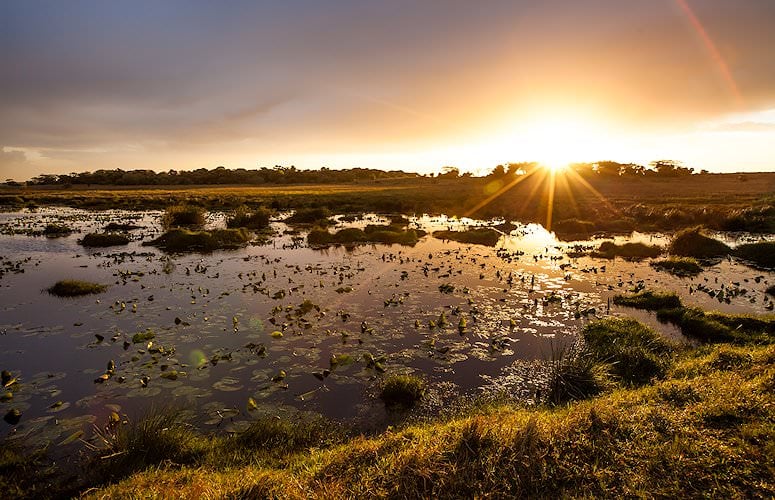
St Lucia estuary, uMkhuze Game Reserve, the iSimangaliso Marine Protected Area, Sodwana Bay National Park, Lake Sibaya, and Kosi Bay all form part of iSimangaliso Wetland Park. This globally important region hosts interlinked ecosystems—swamps and wetlands, lake systems, beaches, coral reefs, woodlands, and coastal forests. Lake Sibaya, South Africa's largest freshwater lake at about 77 km², is strikingly clear and intensely blue.
Safaris and Tours that visit St Lucia
Discover more of South Africa’s beauty at destinations such as Hluhluwe-iMfolozi Game Reserve, near St Lucia. Other packages venture further, combining culture, beaches, and wildlife across the country.
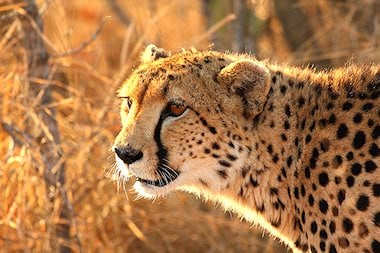
This comprehensive three-week privately guided tour of South Africa visits most of the highlights in the country, including iSimangaliso Wetland Park.
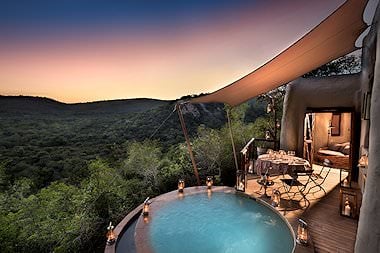
If you want to combine ultimate luxury with visits to the top travel destinations in South Africa, this is the ideal package to book. You spend time in St Lucia.
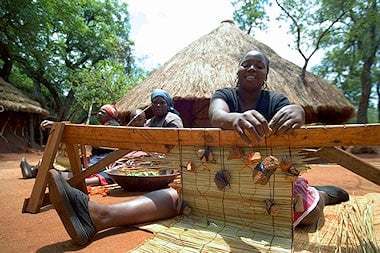
The cultures and wildlife of northeastern South Africa are the focus of this week and a half adventure in South Africa accompanied by a private guide.

Rated 4.9/5 stars based on 175 reviews.
Experiences to Savor at iSimangaliso Wetland Park
Few places offer both game drives and ocean adventures. Boat cruises on the St Lucia estuary, seasonal turtle nesting excursions, snorkeling and diving at Sodwana Bay, and guided birding are signature experiences here.
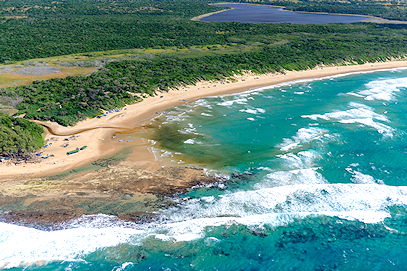
Marine safari
The park is one of the rare destinations where you can combine classic bush experiences with the ocean. Join ocean outings to look for dolphin and whale in season, snorkel shallow reefs, or explore tidal pools teeming with life.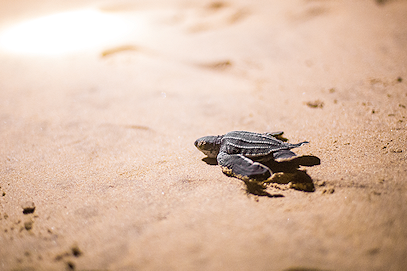
Turtle territory
The annual nesting season on the eastern coast is unforgettable. Watch adult turtle come ashore to lay eggs and, weeks later, witness hatchlings begin their first ocean journey on guided, low-impact tours.