Cape Town Travel and Vacations
Help Me PlanTop Attractions in Cape Town: Table Mountain, Cape Point & More
The city and its surrounding region offer a variety of attractions, from natural wonders and historic sites to lively dining and entertainment districts.
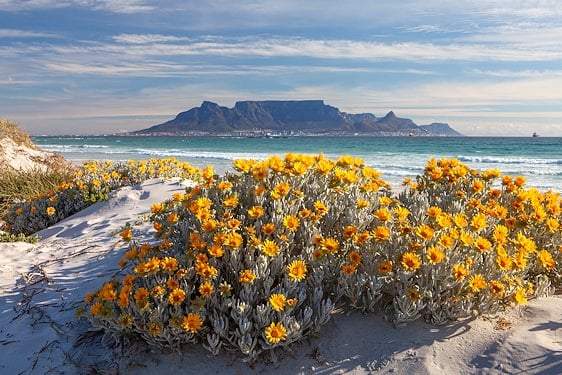
Table Mountain
Table Mountain is one of the most iconic natural features on the continent. The massif also comprises Lion's Head and Devil's Peak.

Kirstenbosch
The garden spreads across the eastern slopes of Table Mountain and conserves South Africa’s extraordinary plant diversity.

Cape Point
Near the Cape of Good Hope—the south-western tip of Africa—Cape Point lies within Table Mountain National Park’s Cape of Good Hope section.
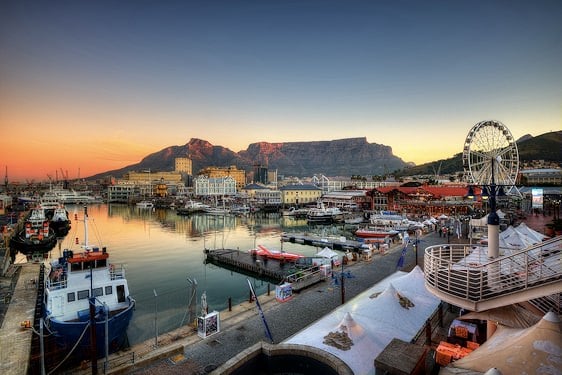
V&A Waterfront
The historic V&A Waterfront in Table Bay Harbor offers a multitude of entertainment options.

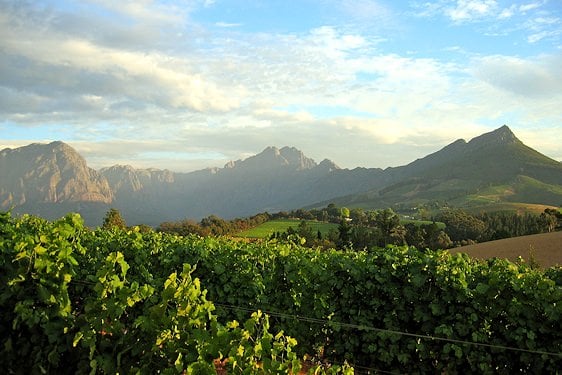
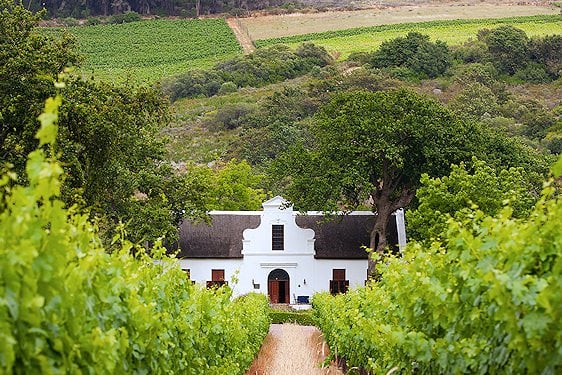
Cape Winelands
The most significant towns in the Boland region include Franschhoek, Stellenbosch, and Paarl.
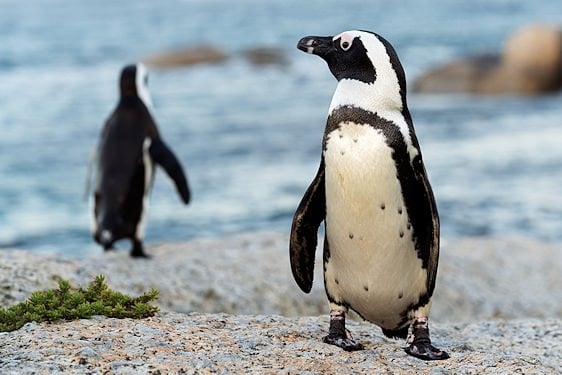
Boulders Beach
Boulders Beach in False Bay is home to a large colony of the endangered African penguin.
Cape Town Vacation Options & Travel Tips
Cape Town is an all-in-one dream vacation city with world-renowned attractions, scenic nature, diverse culture, rich history, and activities of every kind.

Tours, Safaris & Honeymoons
Browse our thoughtfully crafted safari tours.

Tailor-Made Vacation Packages
All our tours and safaris can be customized.

Travel Tips & Advice
Important information about visiting Southern Africa.
Popular Activities
The city of Cape Town and its surrounding areas offer a multitude of different activities.




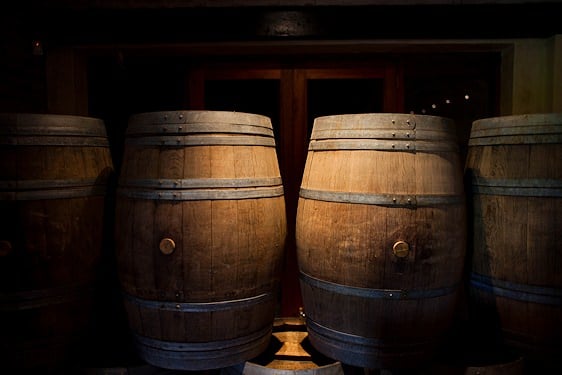
Foods to try in Cape Town
Cape Town is known as South Africa’s culinary jewel, with a mix of local, international, and innovative dishes.
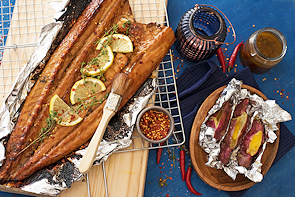
Snoek Braai
The Cape snoek is a long, thin species of mackerel sourced from the icy Atlantic. During a West Coast snoek braai, this fish is grilled over open coals in a festive celebration of seafood. It’s traditionally served with korrelkonfyt (grape jam) for a sweet contrast.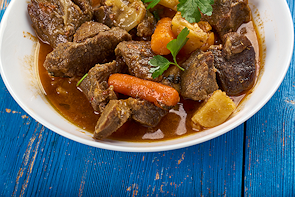
Cape Malay
Cape Malay cooking blends fragrant, mildly curried dishes with Dutch-influenced staples. Bobotie (sweet-spiced ground beef with rice), bredie (stew), and chicken curries are South African classics.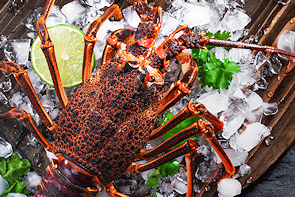
Kreef
Also known as Cape rock lobster or sea crayfish, kreef is a much-loved staple. The tail’s sweet, white meat shines when cooked on an open fire with lemon butter.